
IN THE SPOTLIGHT:
GUEST ARTISTS
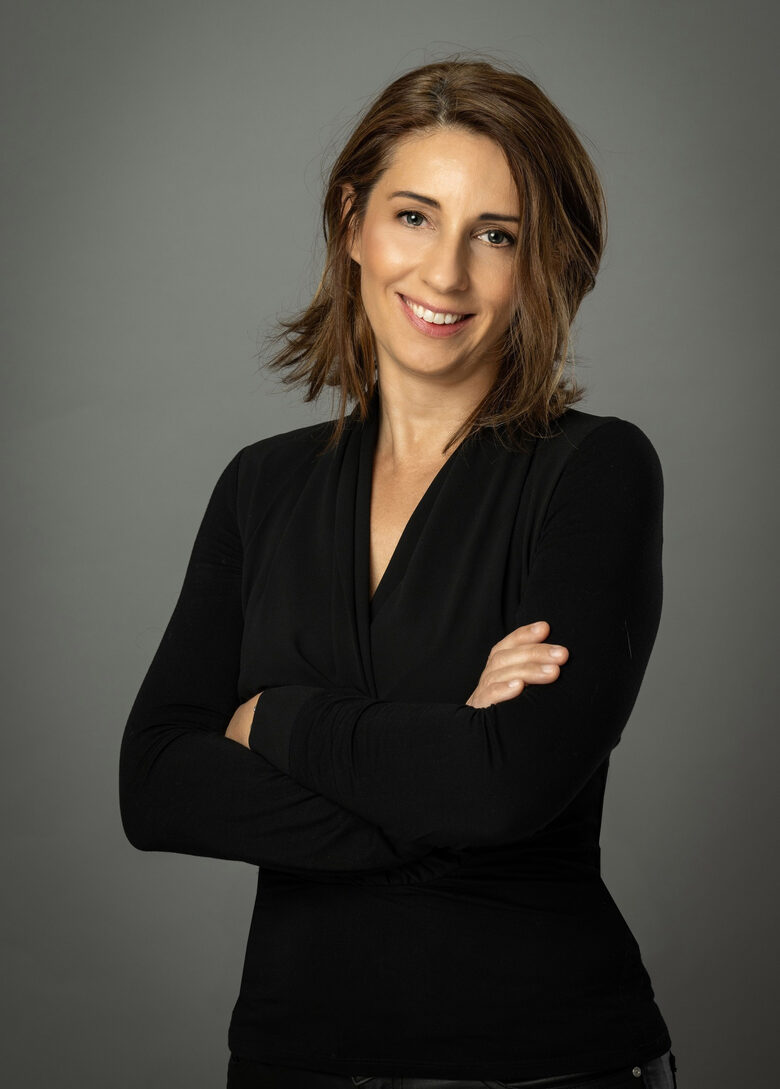
Krisztina Zékány
Graphic designer, visual artist.
She began her studies at the Budapest College of Fine Arts in the painting department in 1992, in the class of Zsigmond Károlyi.
After changing majors in 1994, she continued as a graphic designer and graduated in this field in 1997.
From 1997 to 2018, she worked as an art director and visual brand consultant.
In 2018, she turned again towards authentic image creation and resumed working as a painter.
In her paintings, she captures the spiritual forms of the animal and plant divisions of life in a sacred and illustrative, yet distinctly painterly, colorist visual approach.
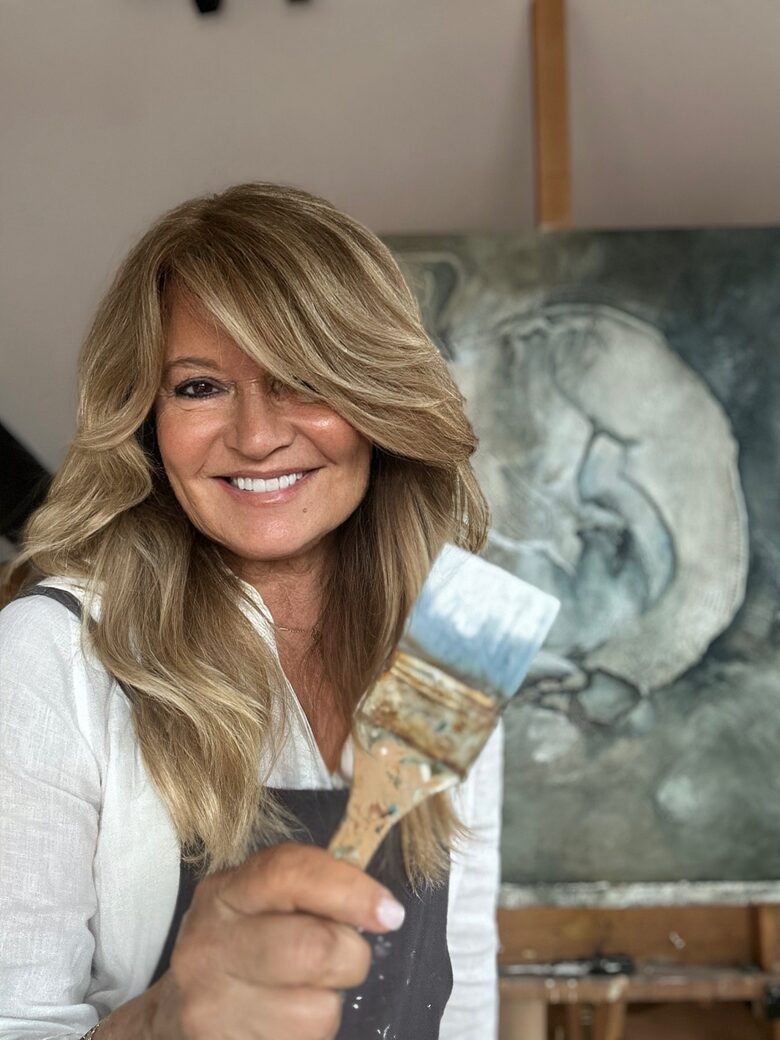
Lluí Carbó
Lluí was born in Barcelona in 1958. From a very early age, he felt a deep attraction to drawing, painting, and material-based art - a vocation that over time has evolved into a distinct and highly personal visual language.
His artistic path has developed from figurative realism toward abstract art, freeing itself from the representation of reality in order to give precedence to emotion. In his work, painting emerges in an almost intuitive manner, generating forms, movement, and energetic gestures in which harmony, beauty, strength, balance, and a powerful sense of expressive freedom coexist.
Guided by a delicate and profound sensitivity, Lluí follows a path of constant experimentation. He works with mixed techniques that include collage, inks, pastels, acrylics, and a wide variety of materials and textures, constructing rich and vibrant surfaces that invite sensory contemplation.
Lluí’s abstract art seeks to establish an essential connection between the artwork and the viewer - an emotional bridge that links lived experience with the feelings that arise from each creation.
Inspiration is born from what has been lived, desired, and remembered, always filtered through a present and conscious gaze. In the act of creation, Lluí immerses himself in an intimate and suspended space, a territory where he finds fulfillment, joy, and truth. His work thus becomes the language of his soul and the sincere expression of his heart.
Convinced that art, in all its forms, is a gift capable of transmitting positive energy and good vibrations, Lluí conceives each work as an invitation to feel, to connect, and to awaken emotion.
PAINTINGS BY LLUÍ CARBÓ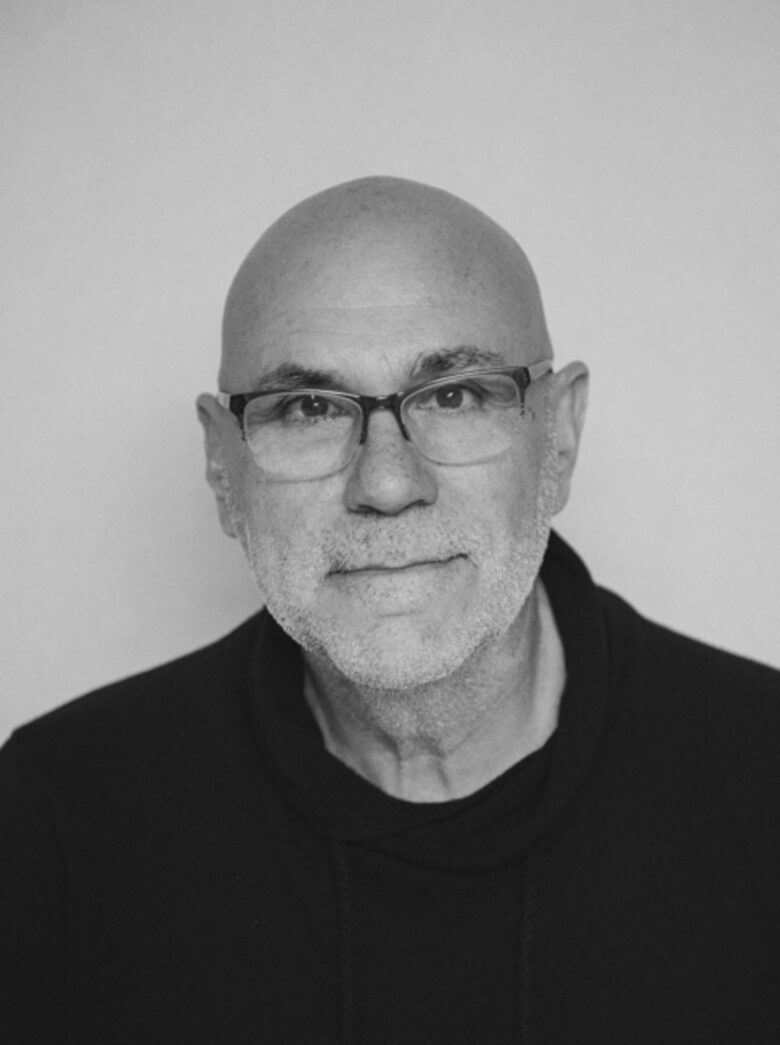
Antonio Pons
Antonio Pons, a multifaceted and eclectic artist, defines his artistic identity through his sculptural work. With a degree in Sculpture from the Faculty of Fine Arts in Valencia, his experimental curiosity and creative flair have led him to develop an extensive portfolio. Throughout his artistic career, he has worked with a wide range of materials—including marble, iron, and steel—spanning various thematic concepts.
The work of artist and sculptor Antonio Pons is heavily inspired by the identity of his home city, Elche, a designated UNESCO World Heritage Site. While Pons explores numerous thematic areas, three attract his attention most powerfully: Iberian culture; the Misteri d'Elx (a sacred, lyrical, theatrical, and religious performance held in Elche); and musical elements, instruments, sounds, and melodies.
He has created commemorative monuments for his city that carry a powerful aesthetic and artistic impact. The skill of Antonio Pons lies in sculpting with elegance and delicacy using materials that, by definition, differ fundamentally from pigments, oils, and acrylics—namely steel, iron, and marble.
He models wrought iron with immense elegance, shaping it into forms that captivate the public: animals, symbols, and iconographic representations of the Iberian world, as well as musical instruments. Under the precise craftsmanship of master Pons, these transform into highly original and intriguing works.
The three-dimensionality of his sculptures allows the artist to play with movement, curves, and space, offering a comprehensive perspective of each piece. His sculptures can—and indeed should—be admired from multiple vantage points, revealing distinct elements depending on the angle from which they are viewed.
The "hard materials" are softened by the artist’s skilled hands, which forge, melt, and occasionally pigment iron and steel. It is fascinating to observe how the final result achieves a surprising realism, where elements tied to Iberian culture feel remarkably contemporary, and the sculpted musical instruments appear ready to play a heavenly composition.