
Save your favorite artwork on Pinterest!
PAINTINGS BY TAMÁS NÁRAY
AVAILABLE FOR PURCHASE
The colors displayed on the screen may differ from the actual shades of the artworks and prints due to the differing properties/settings of monitors and video cards!

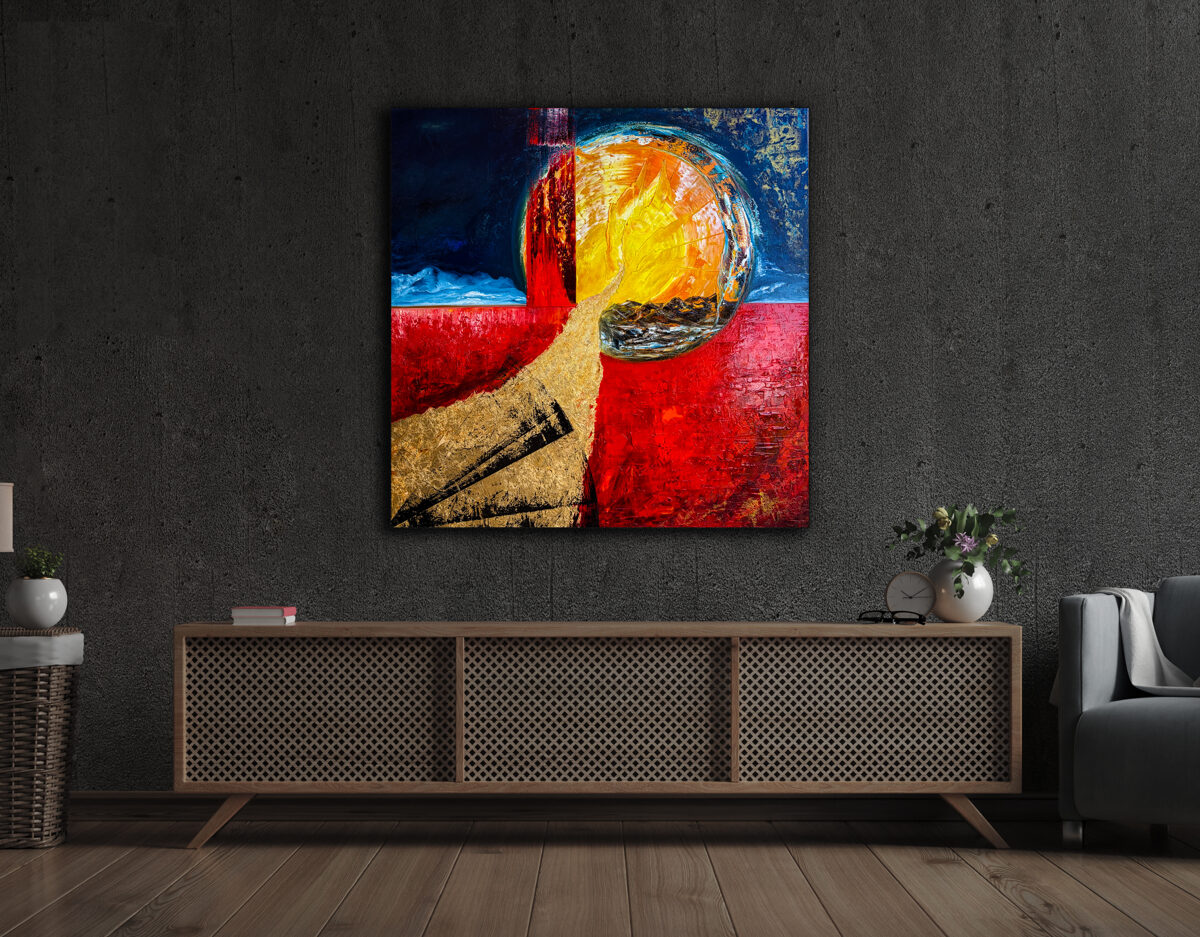
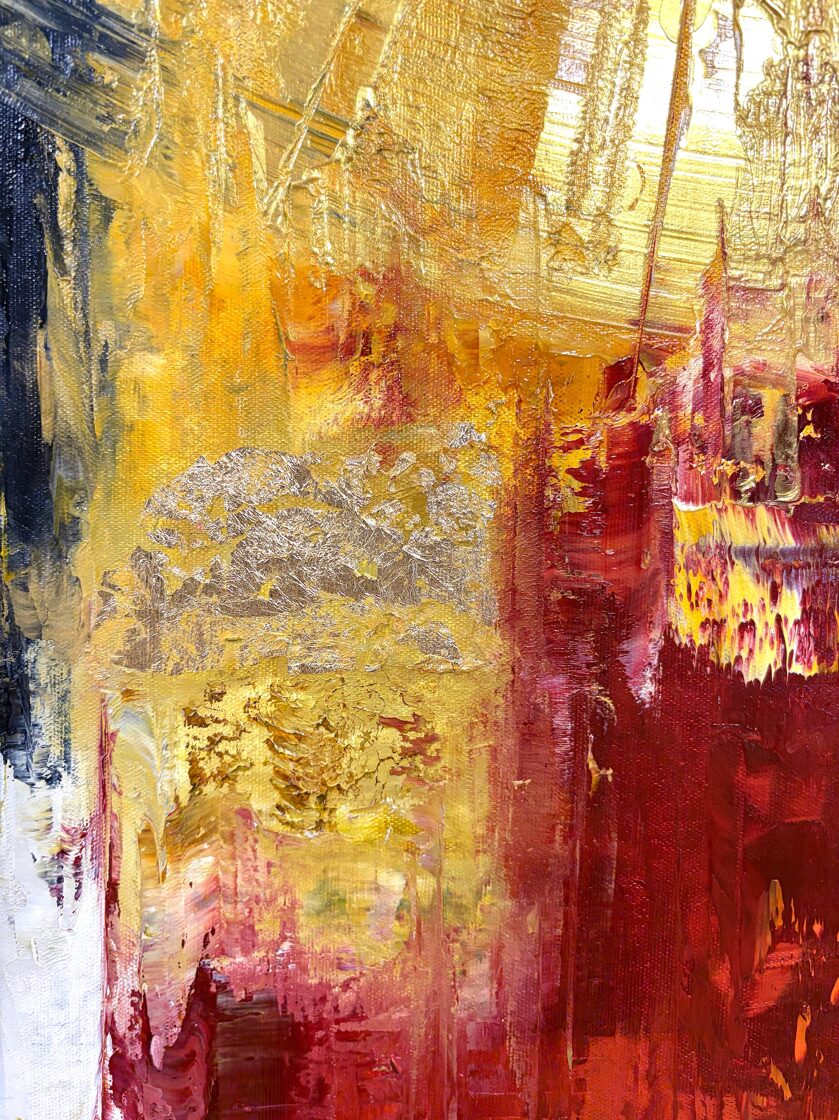
The Journey
- 100 x 100 cm
- Oil-gold-canvas
- 2026, Sitges/Barcelona
- The artwork is part of the "Light" series
- AVAILABLE FOR PURCHASE


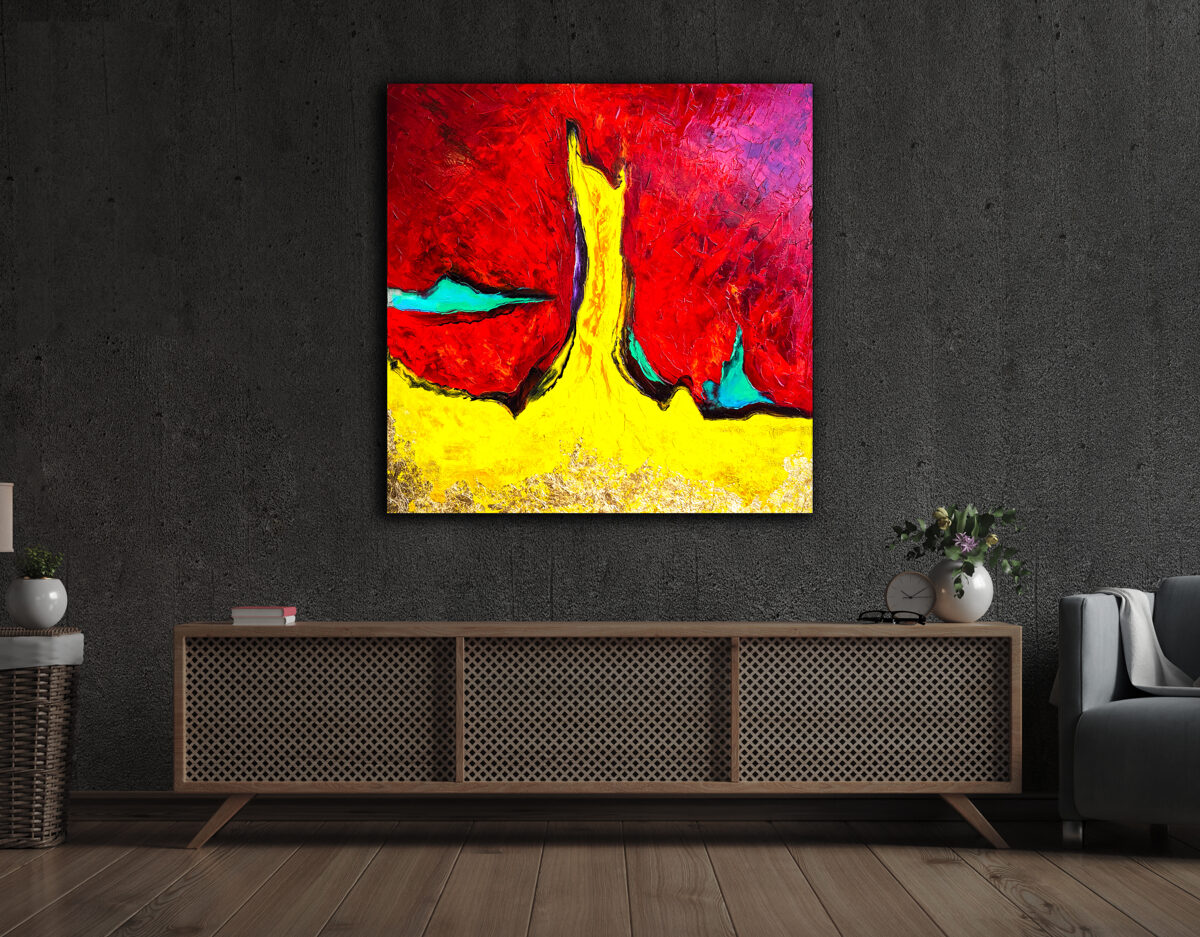
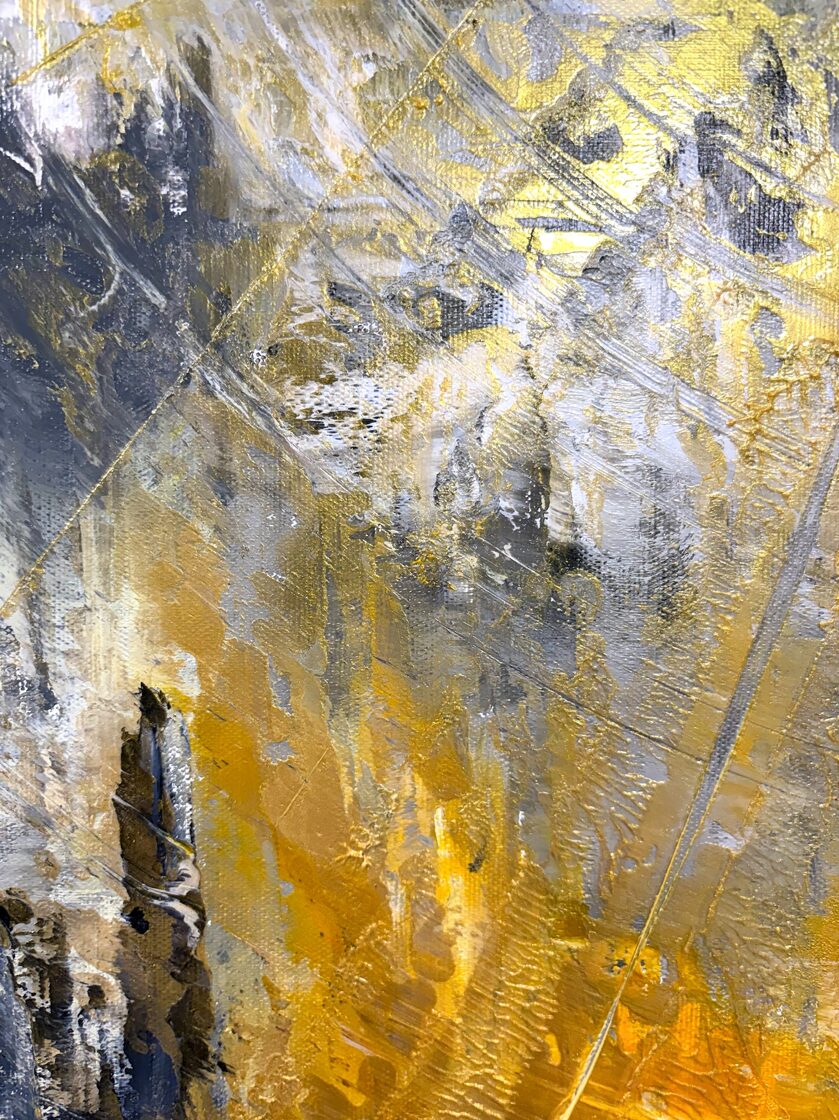
The Liberation
- 100 x 100 cm
- Oil-gold-canvas
- 2026, Sitges/Barcelona
- The artwork is part of the "Light" series
- AVAILABLE FOR PURCHASE
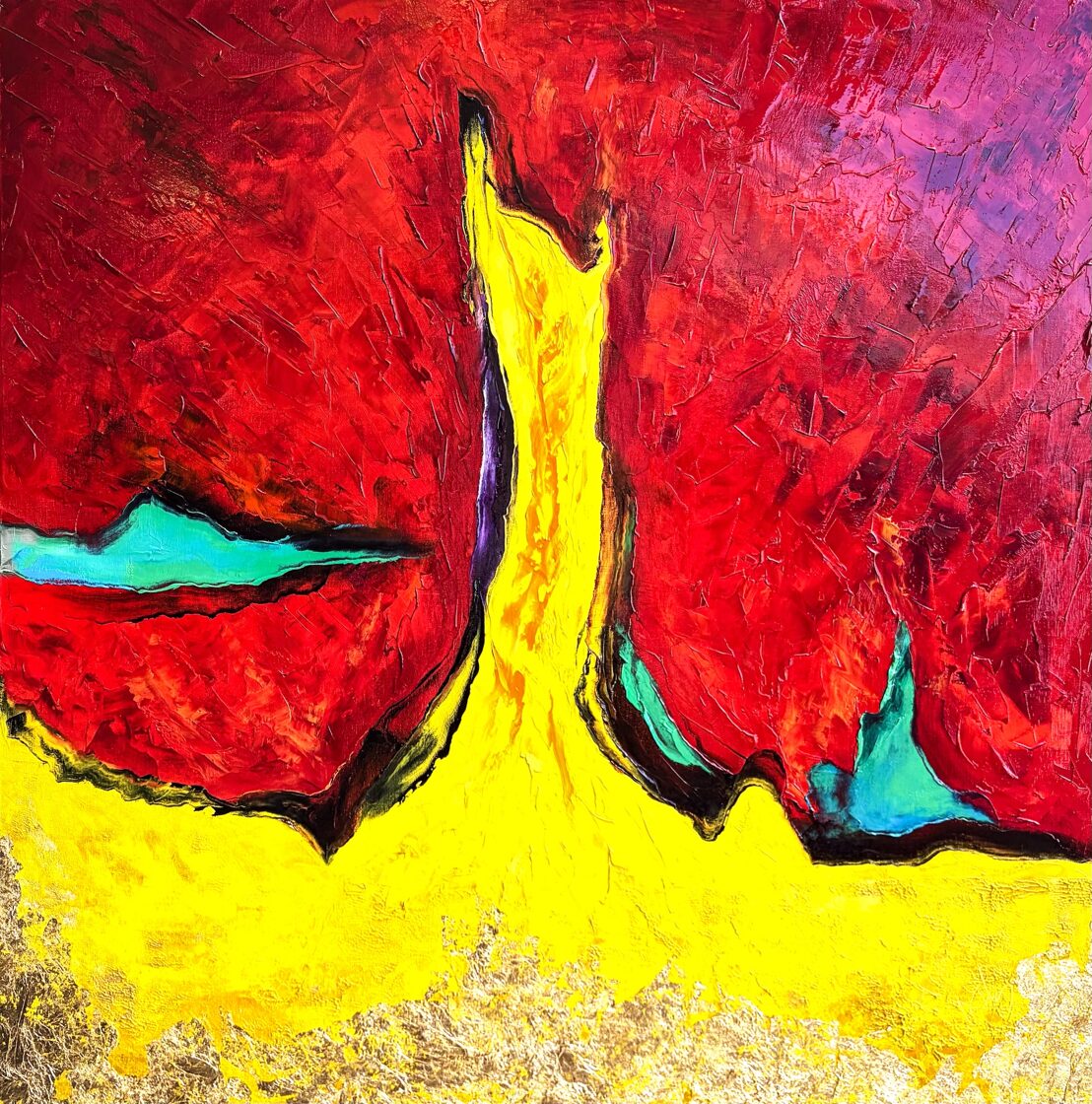
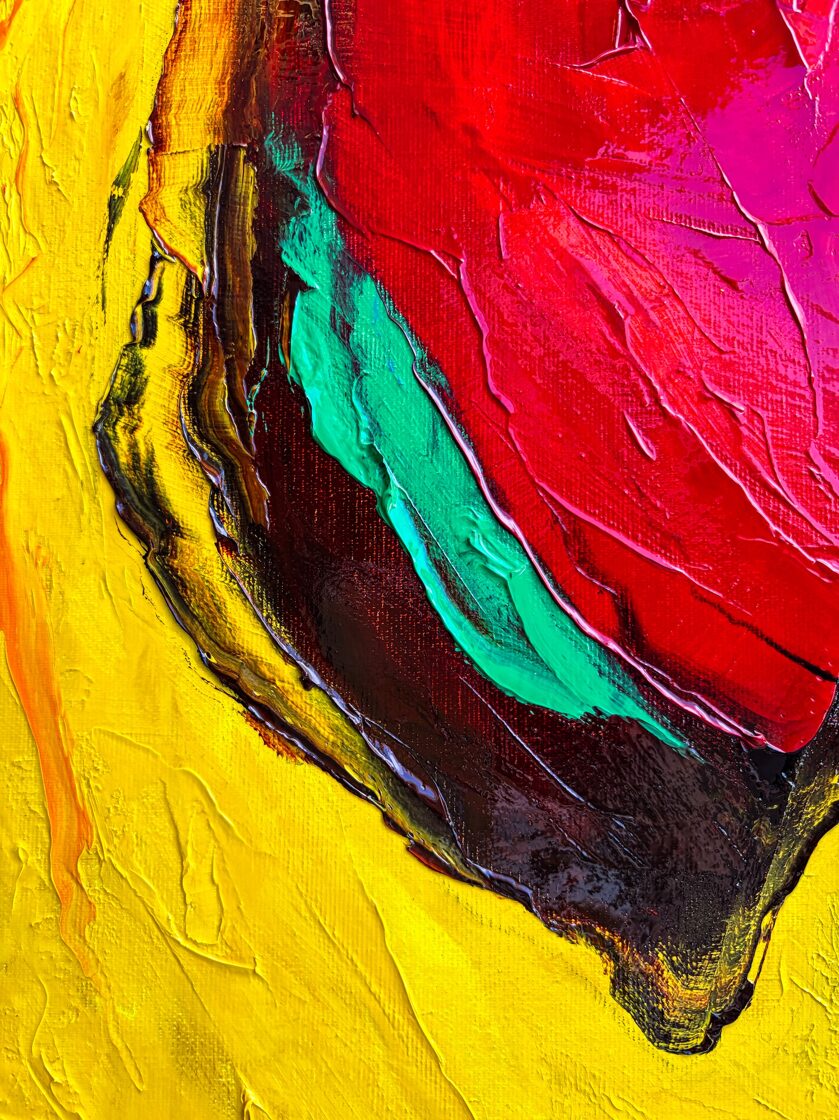
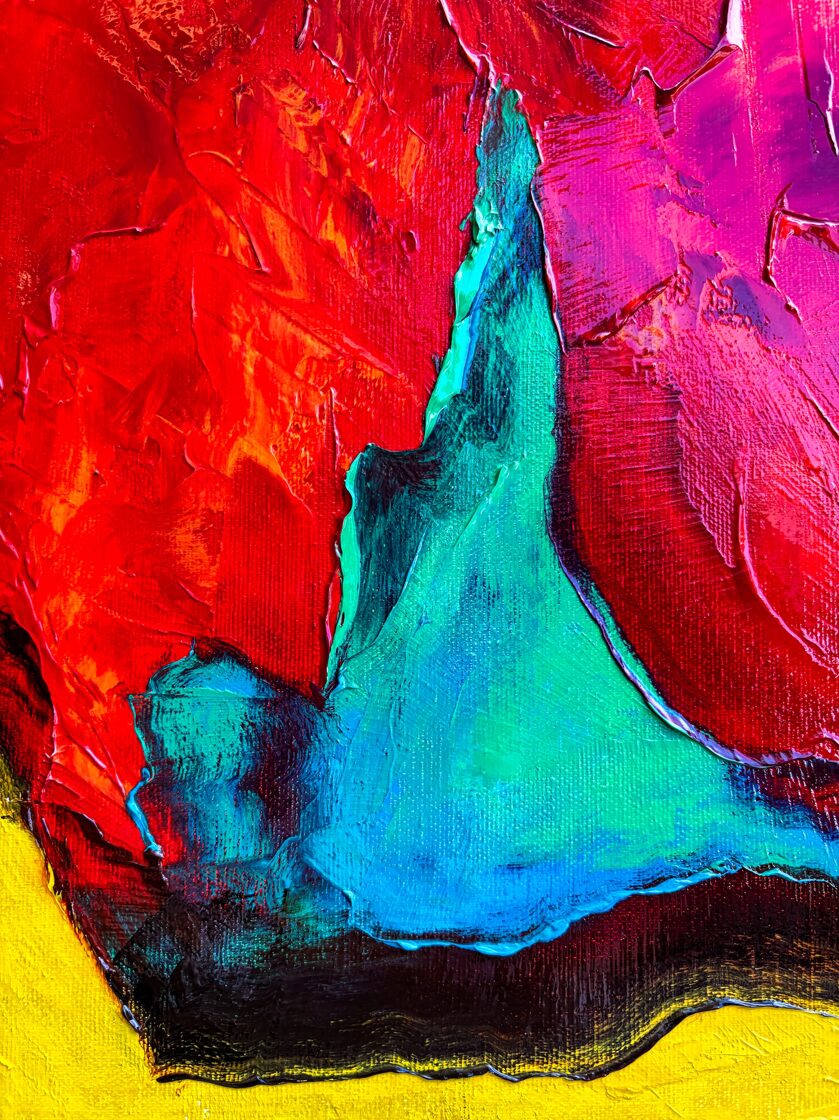
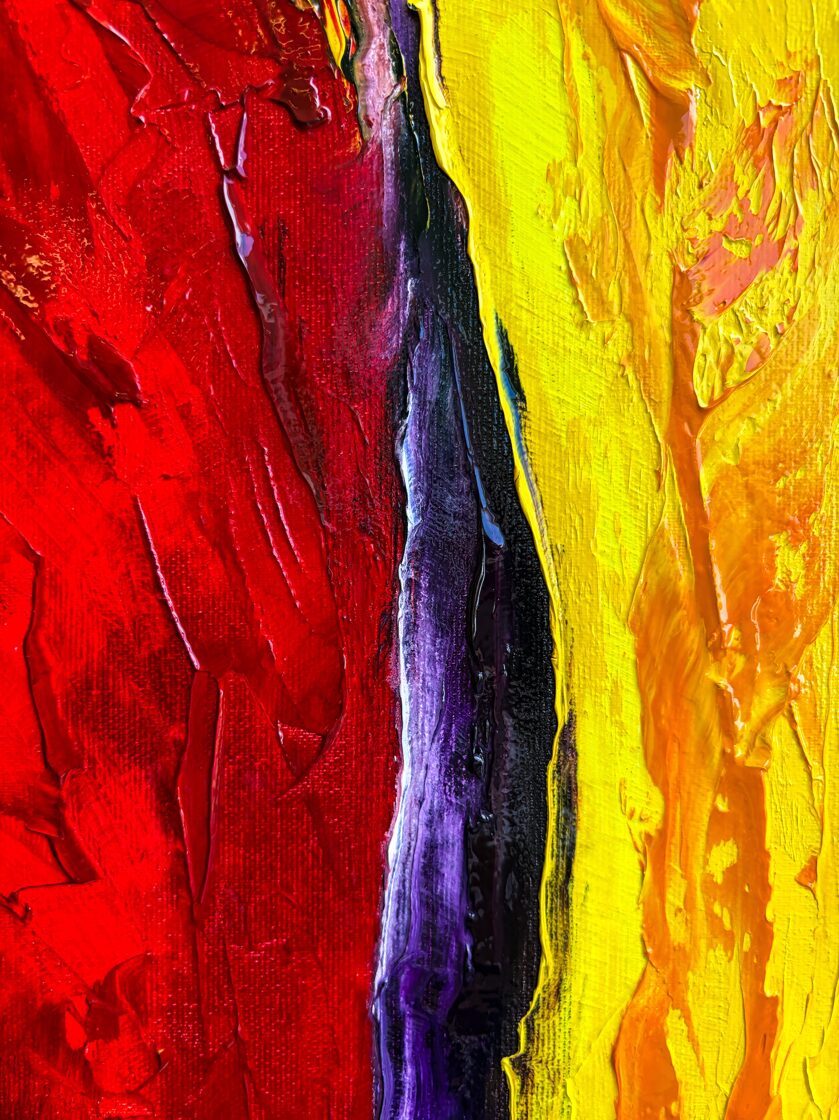
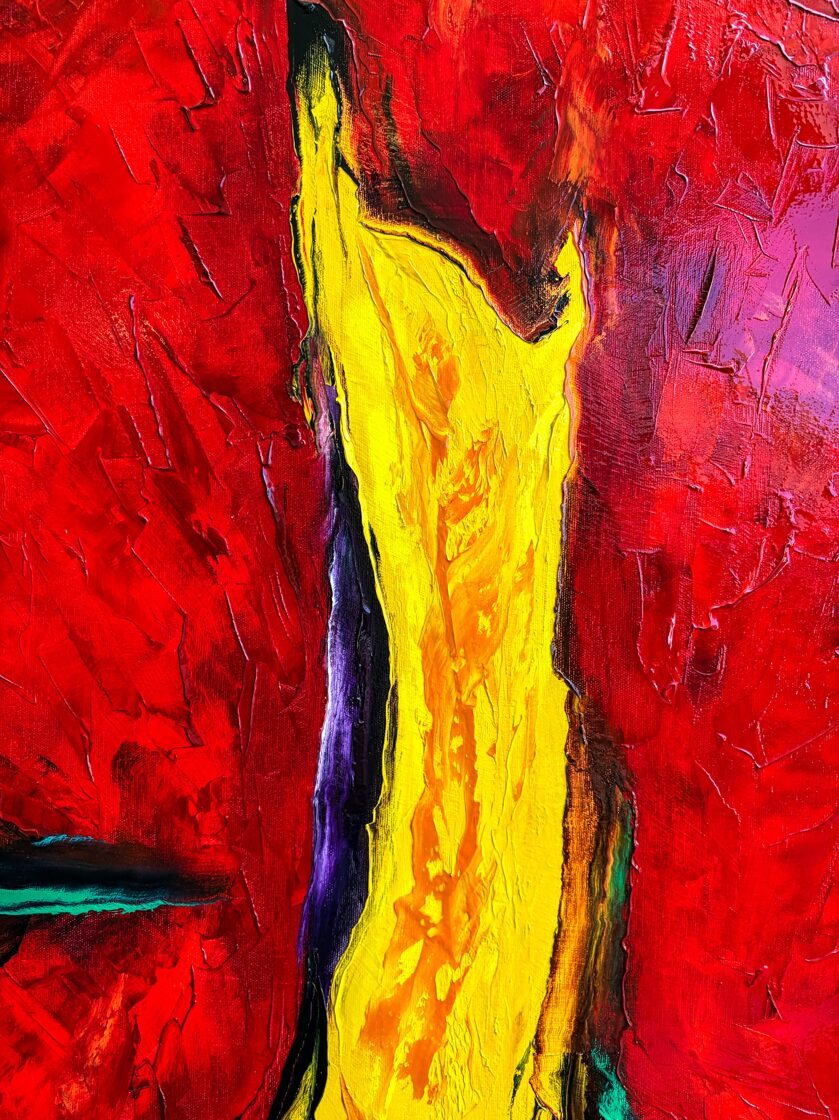
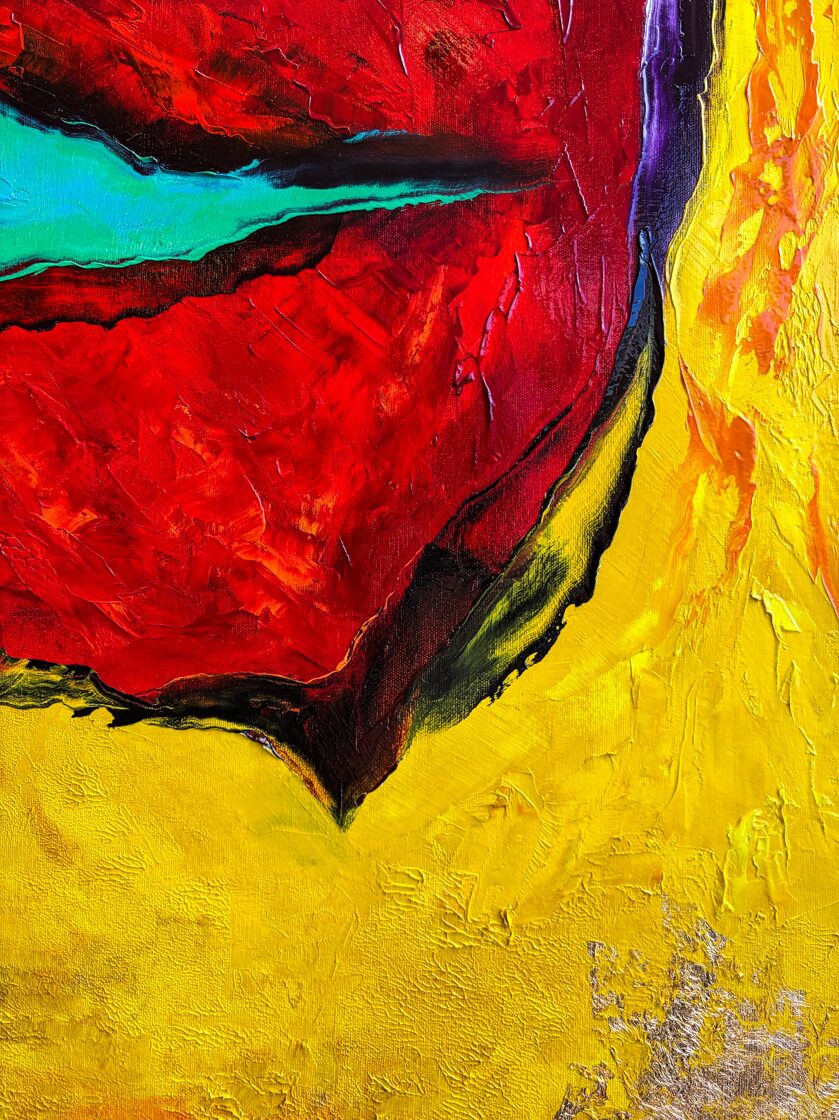
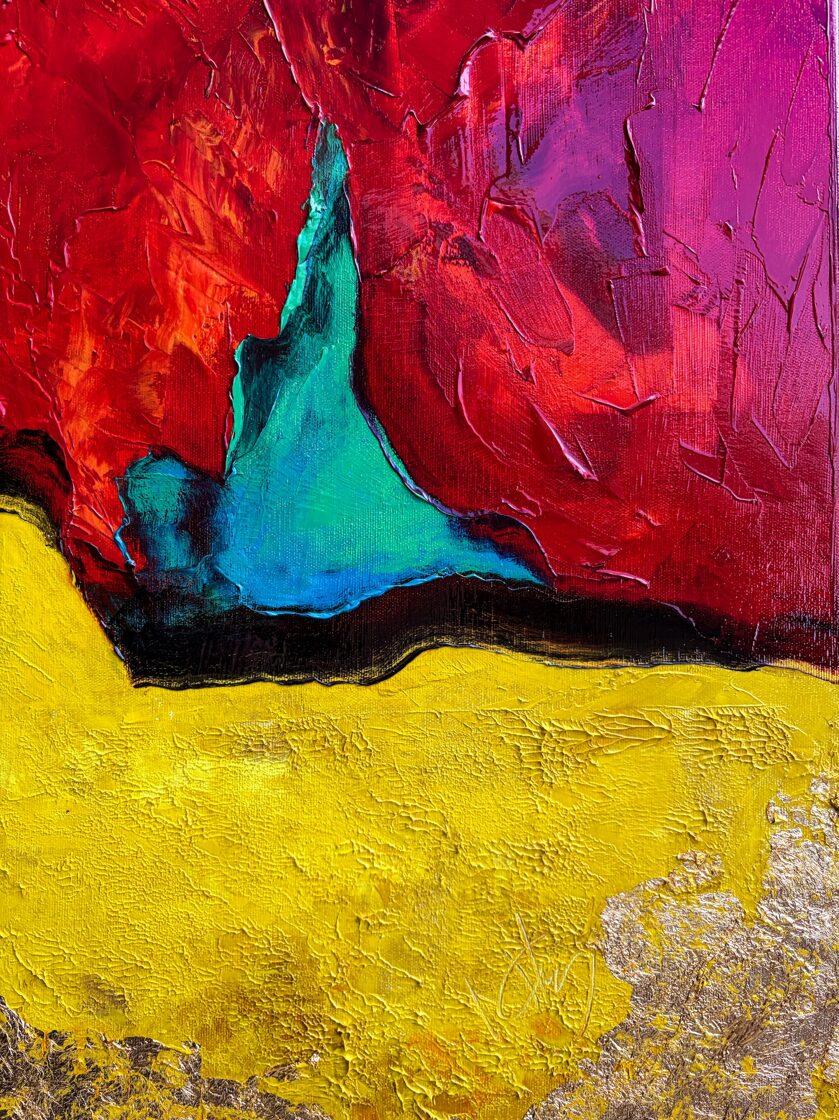
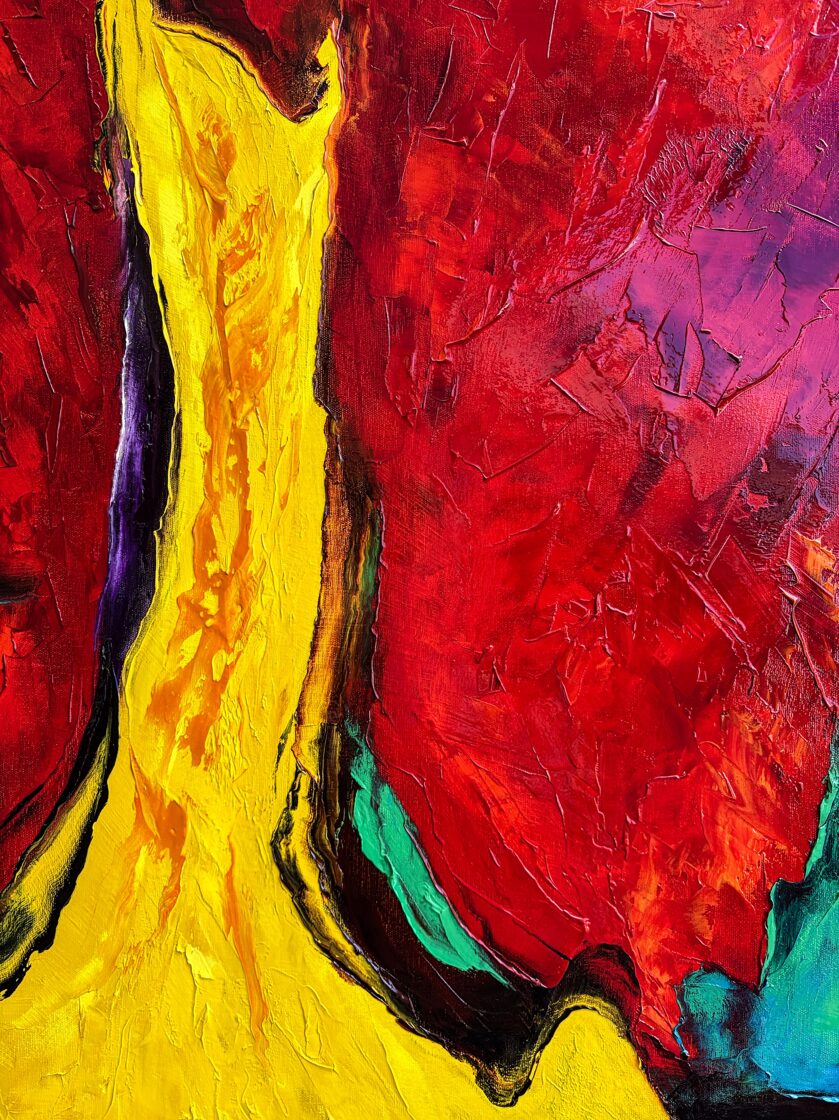
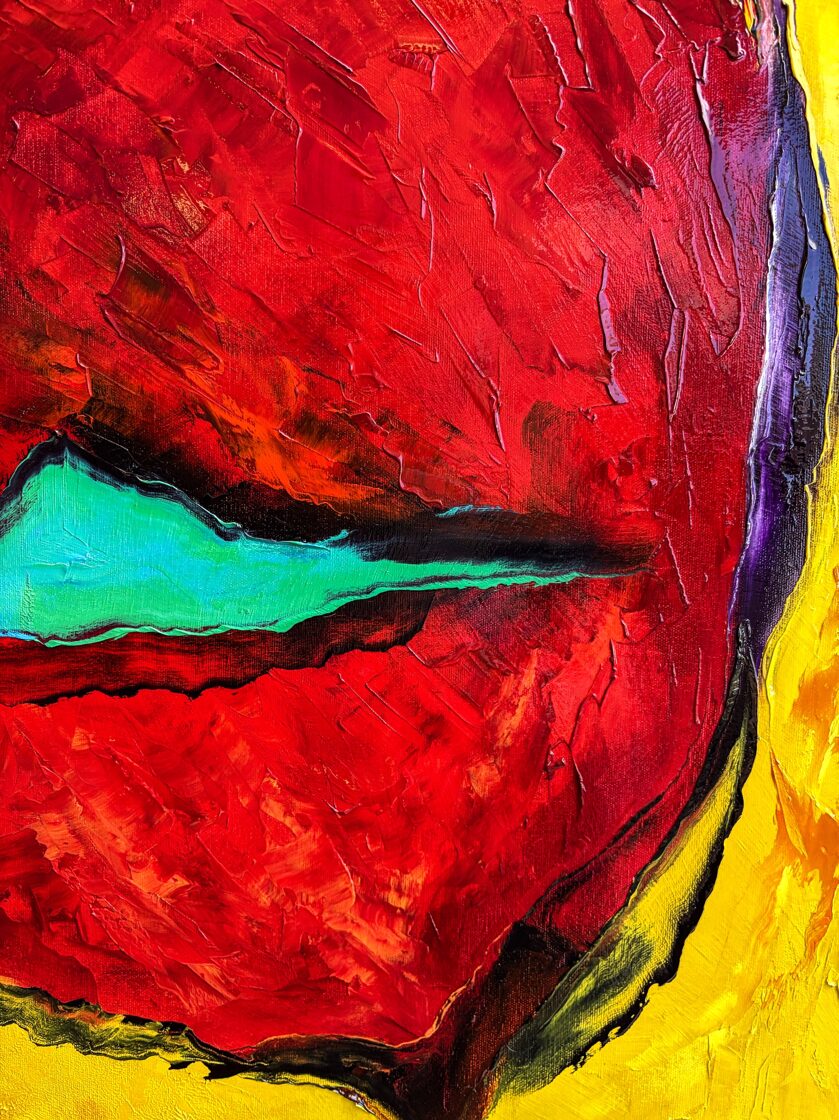
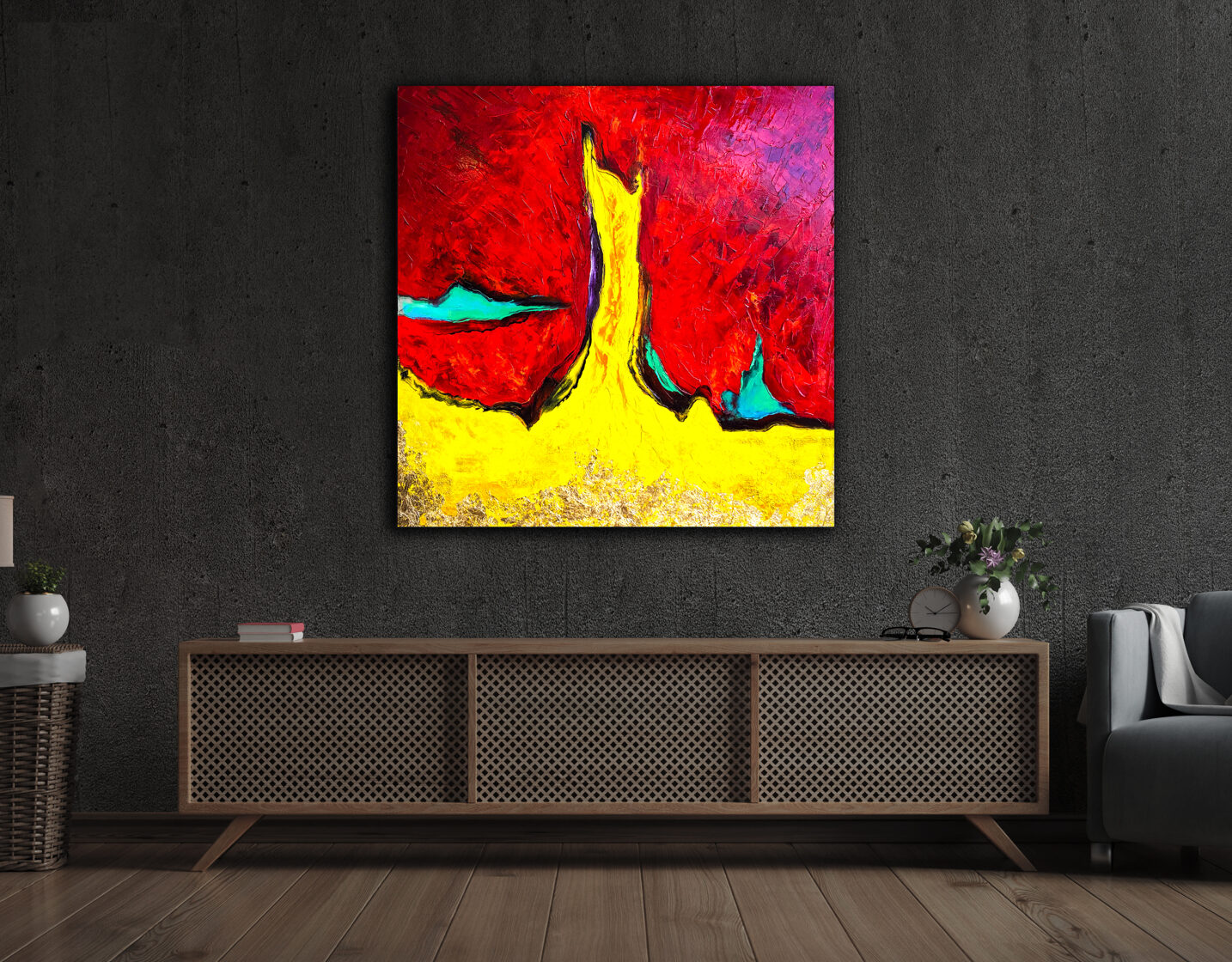
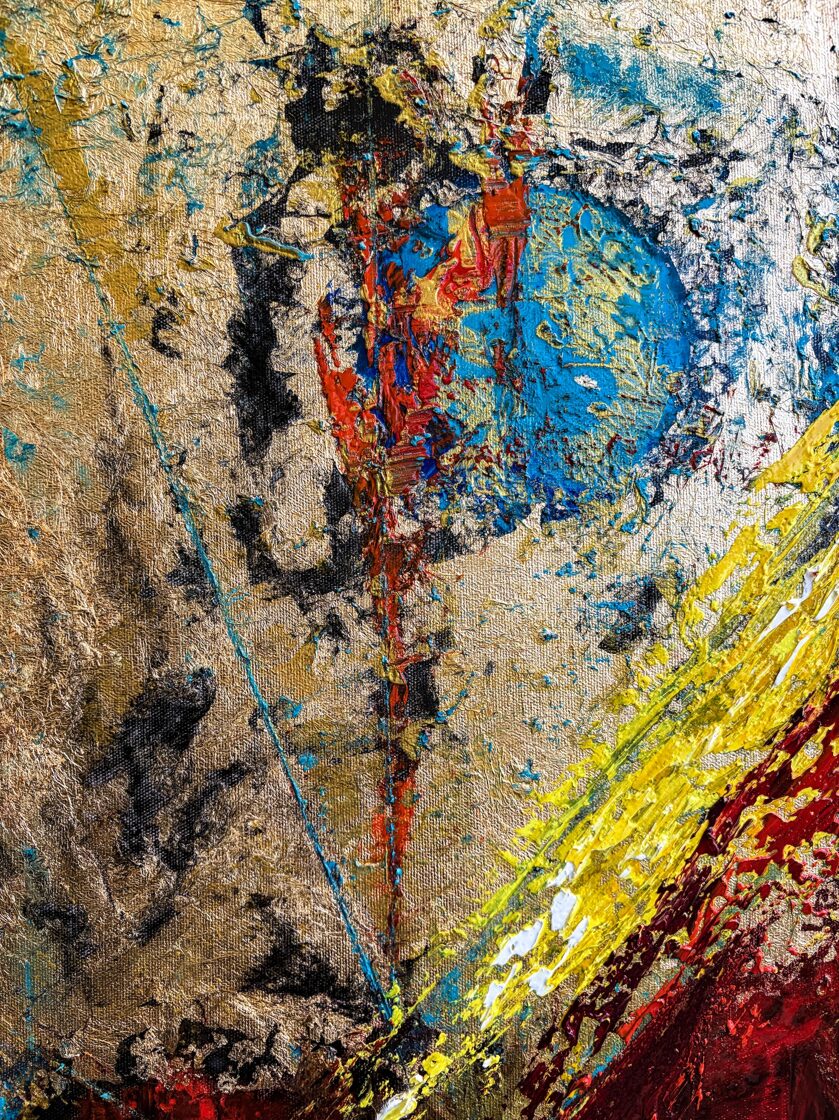
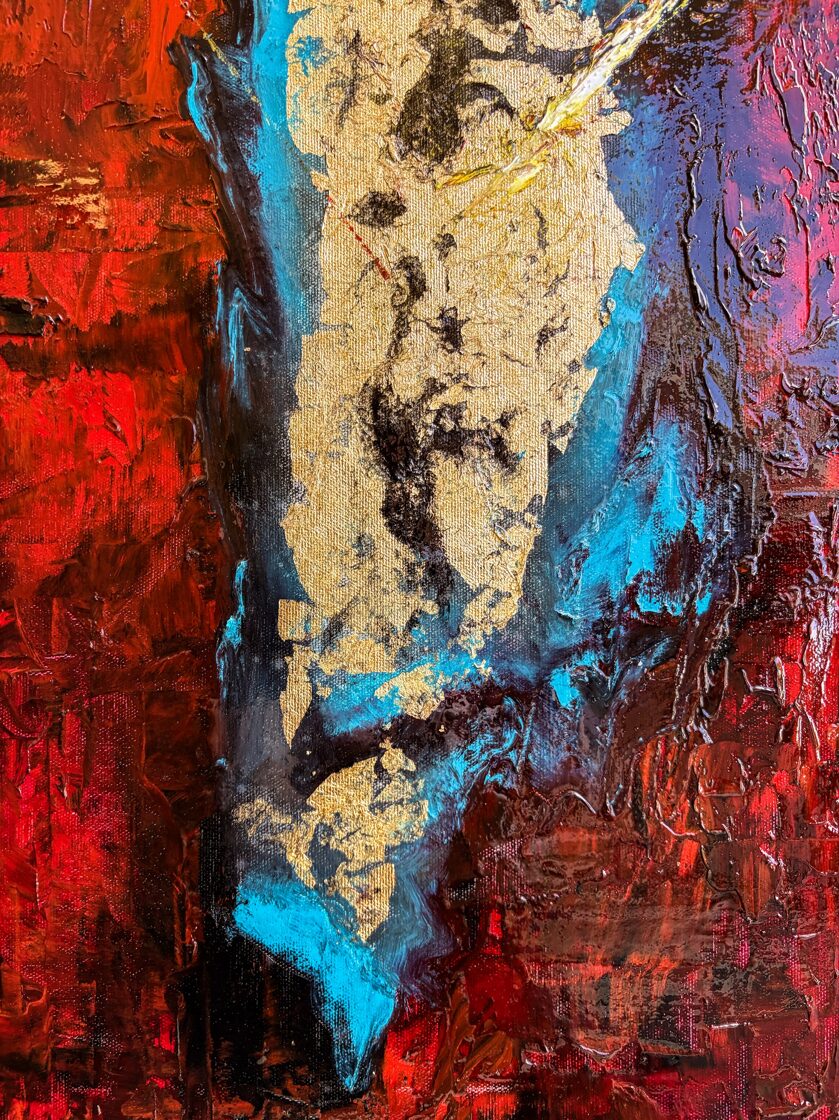
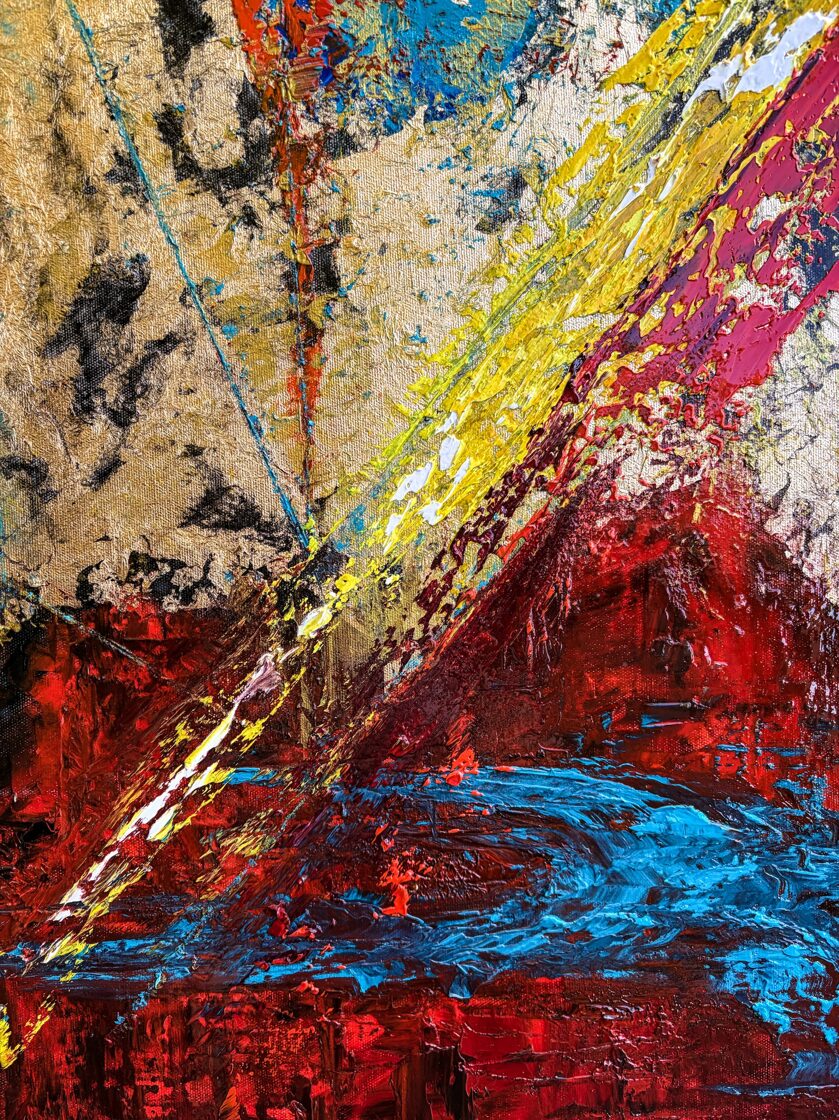
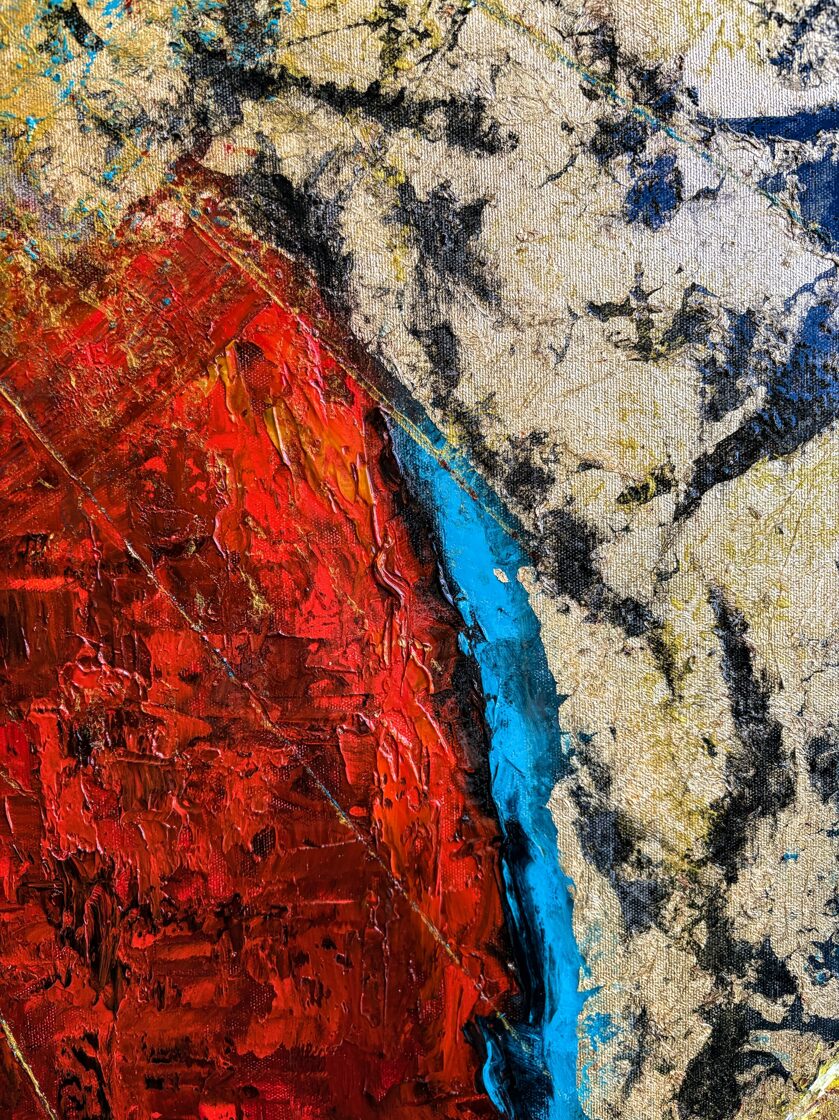
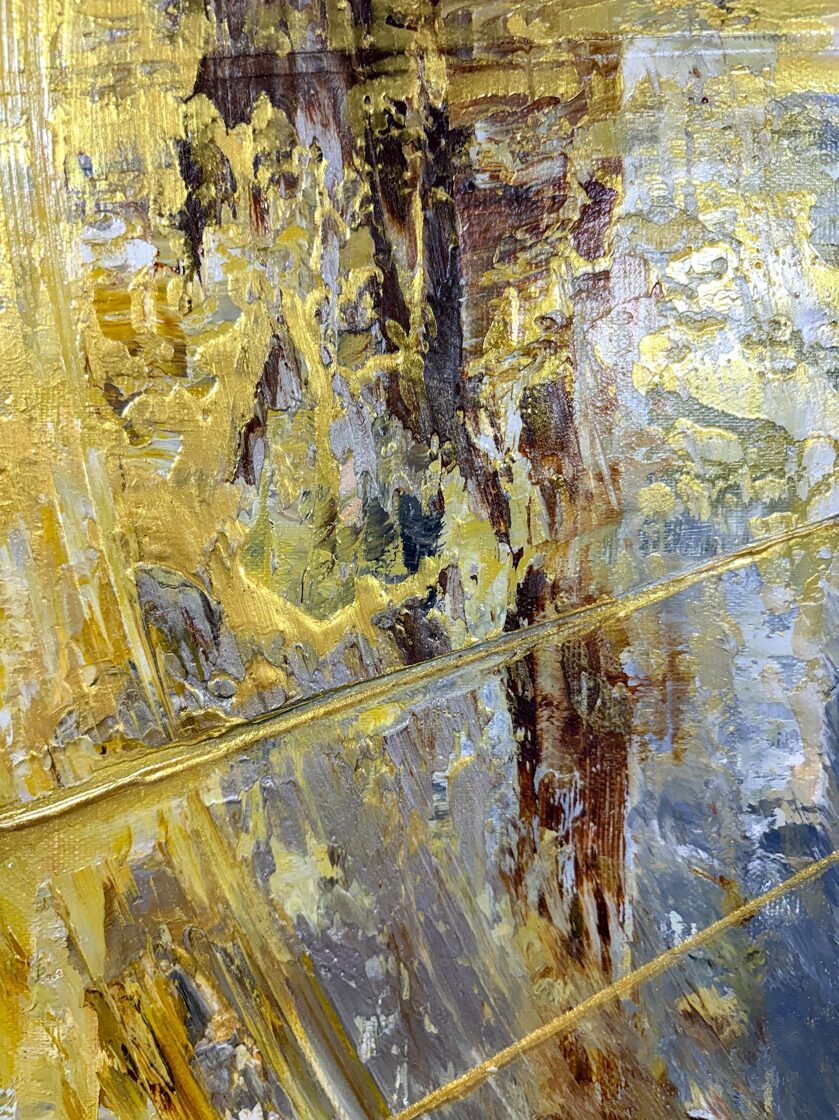
The Geometry of Light
- 100 x 100 cm
- Oil-gold-canvas
- 2026, Sitges/Barcelona
- The artwork is part of the "Light" series
- AVAILABLE FOR PURCHASE
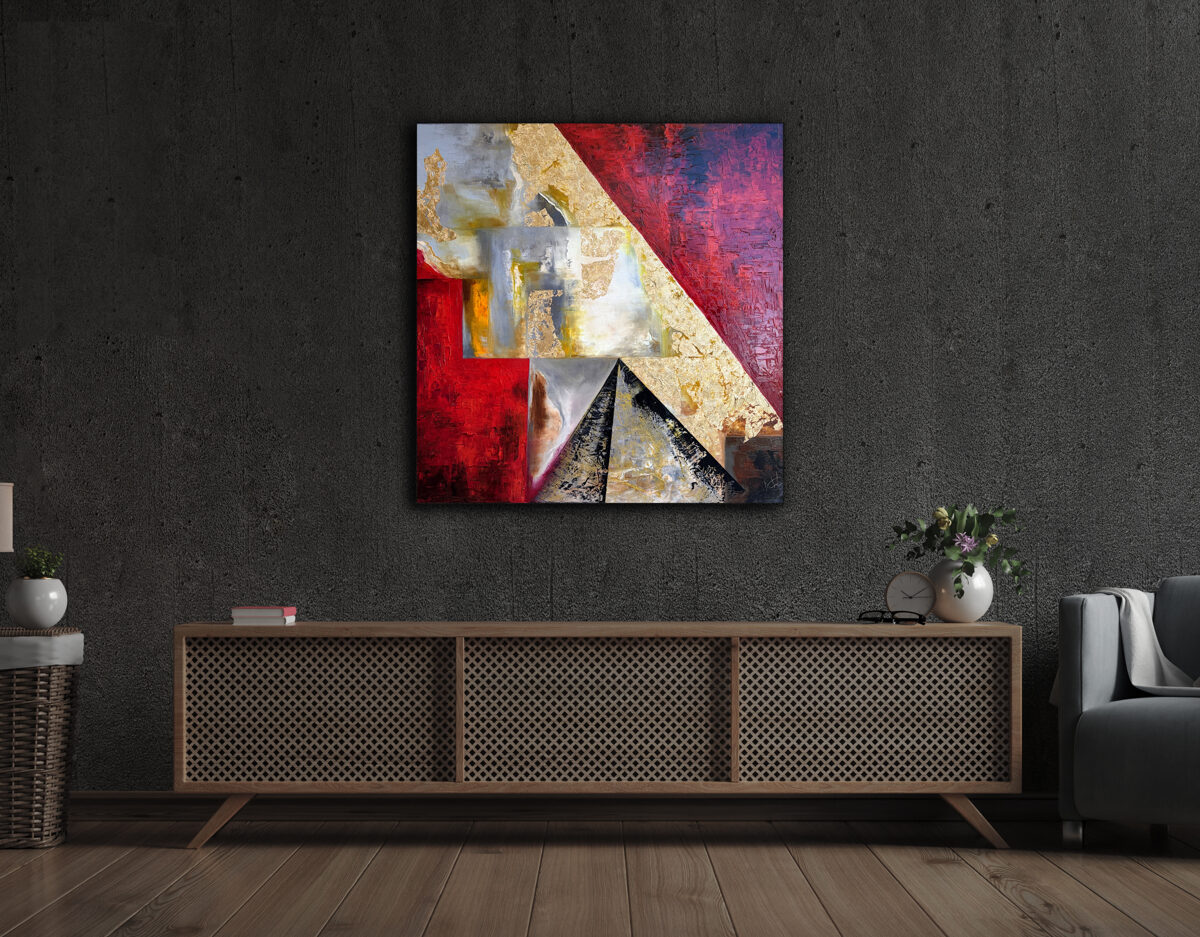
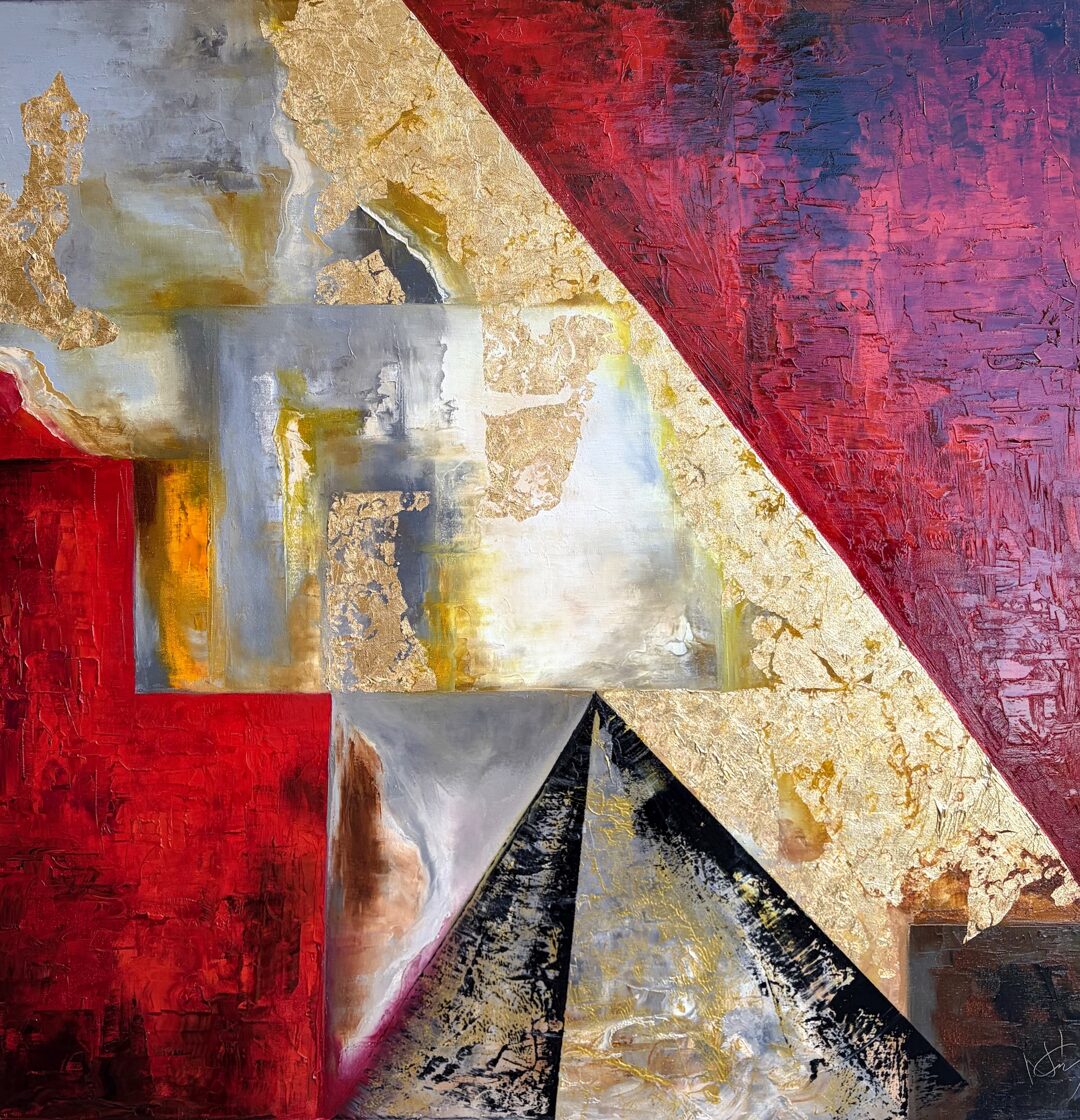
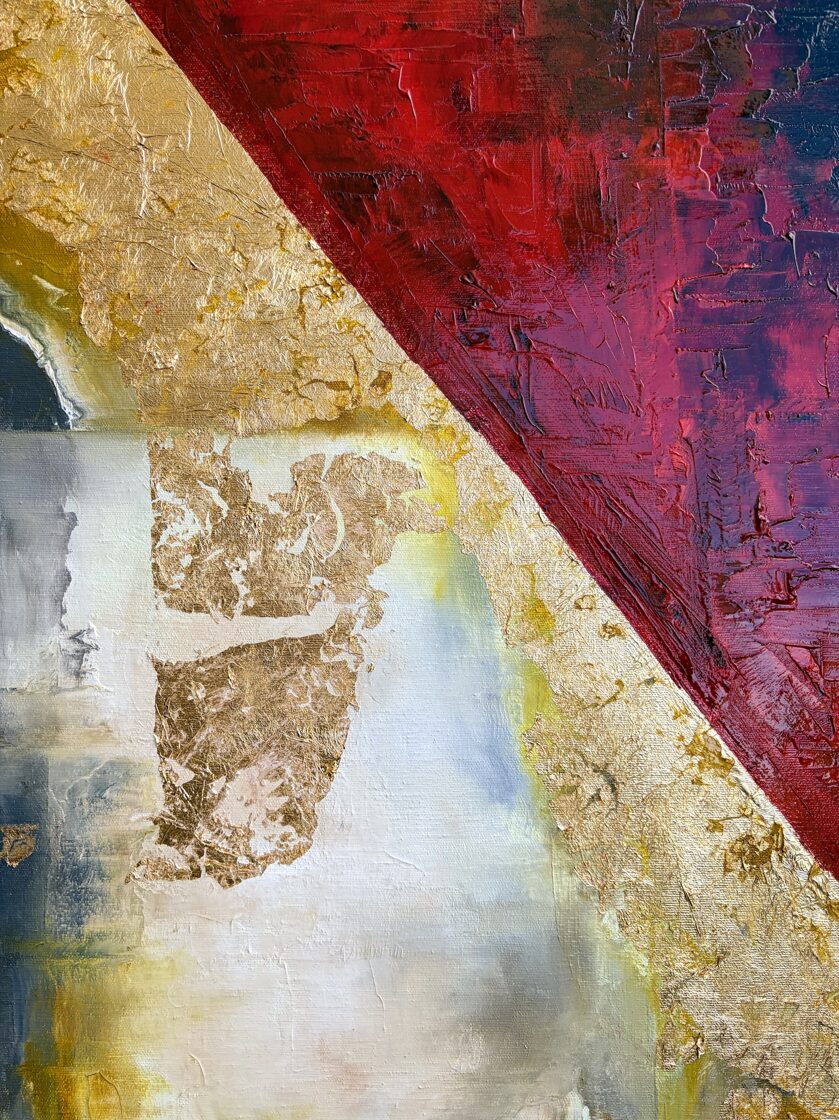
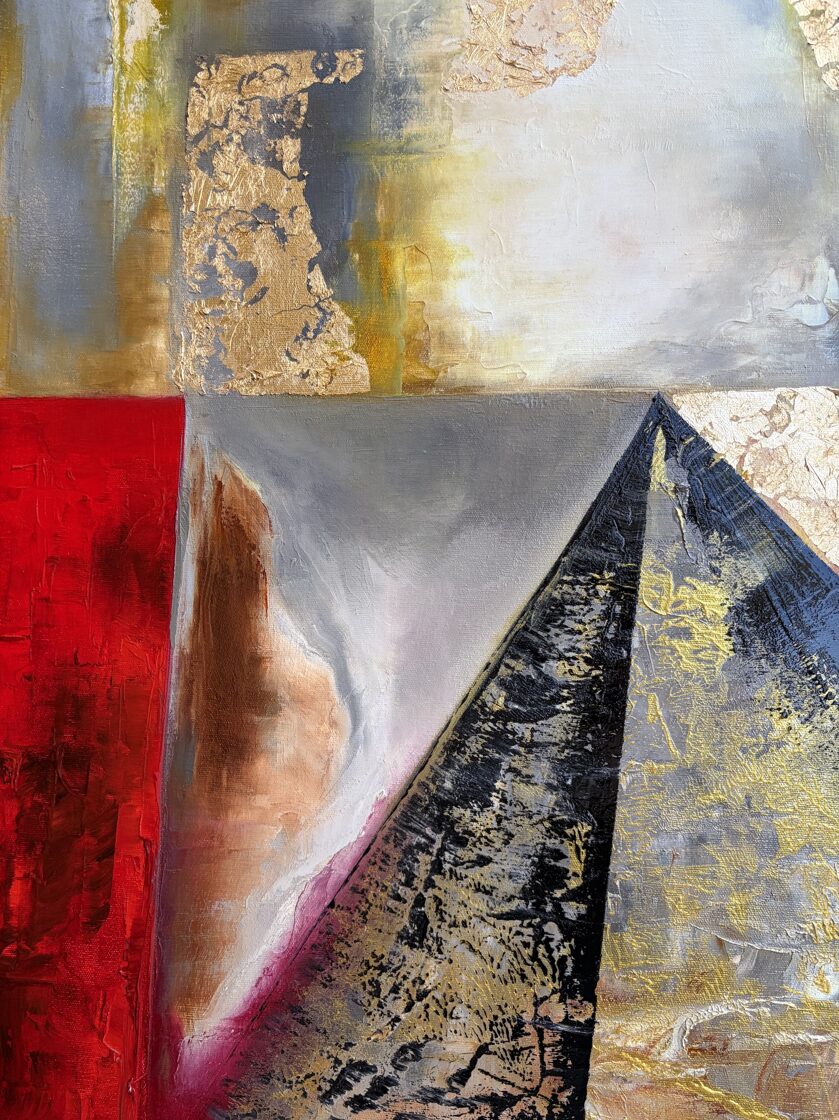
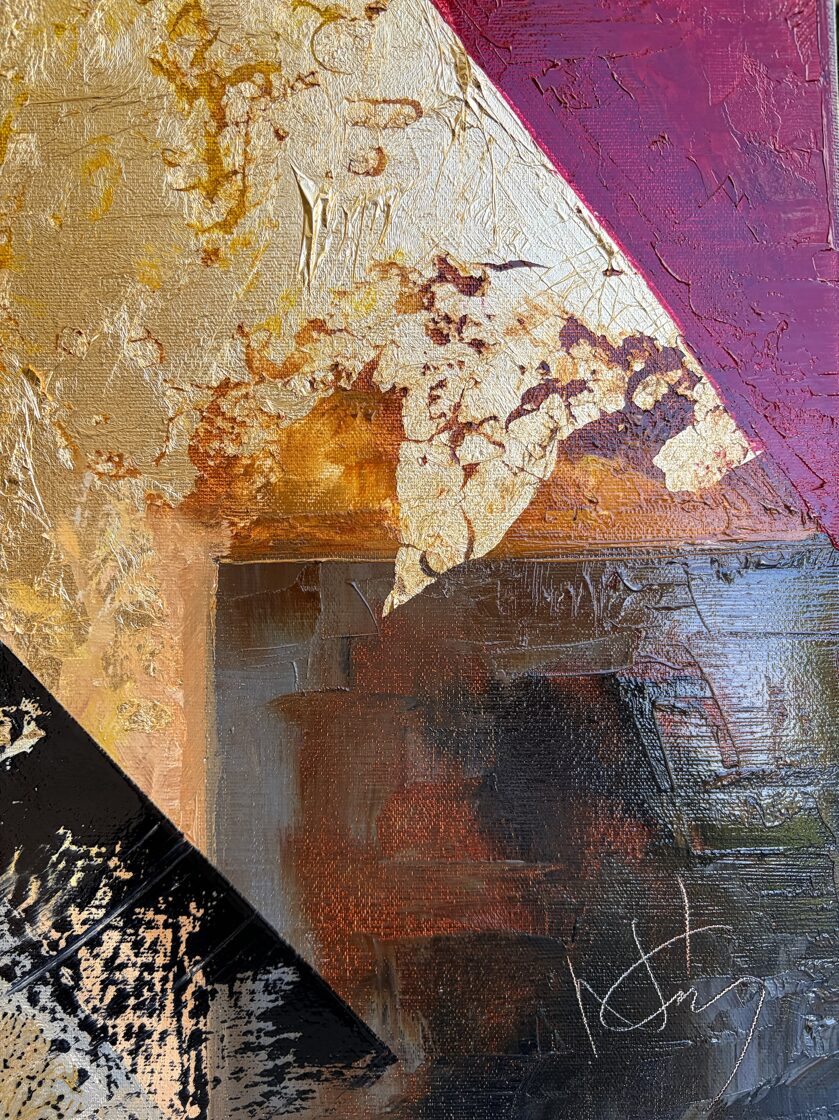
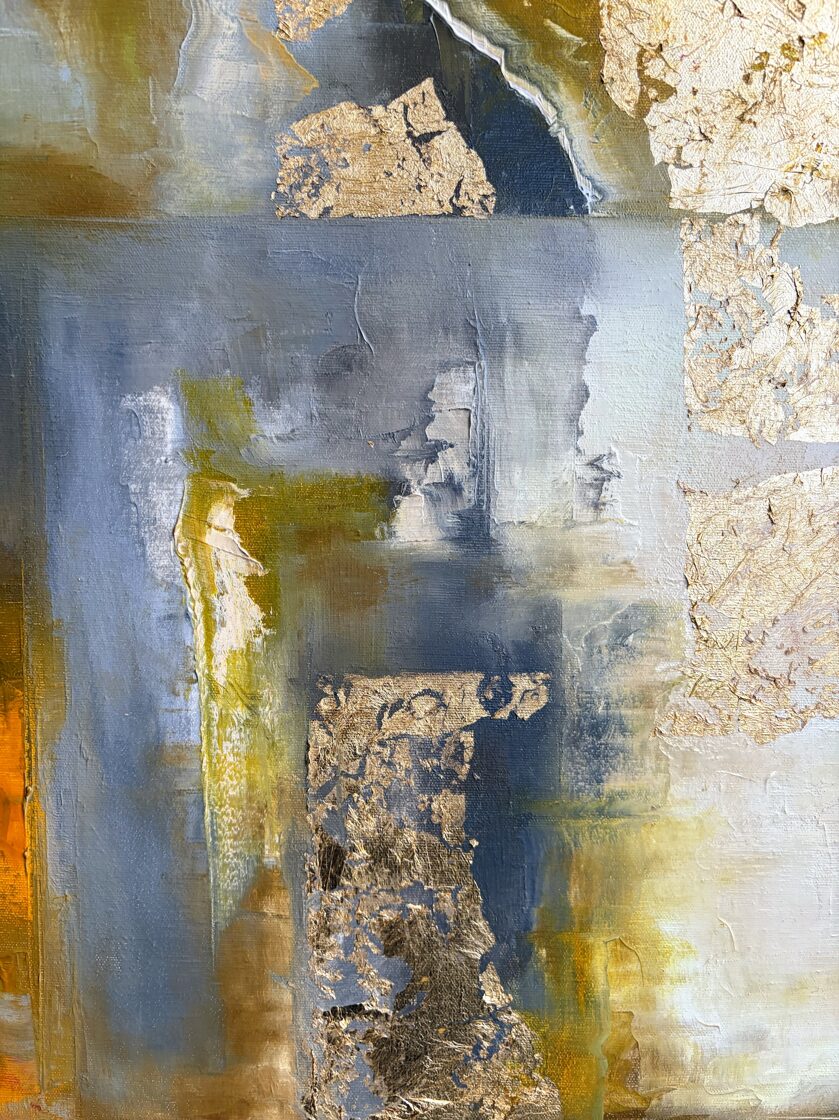
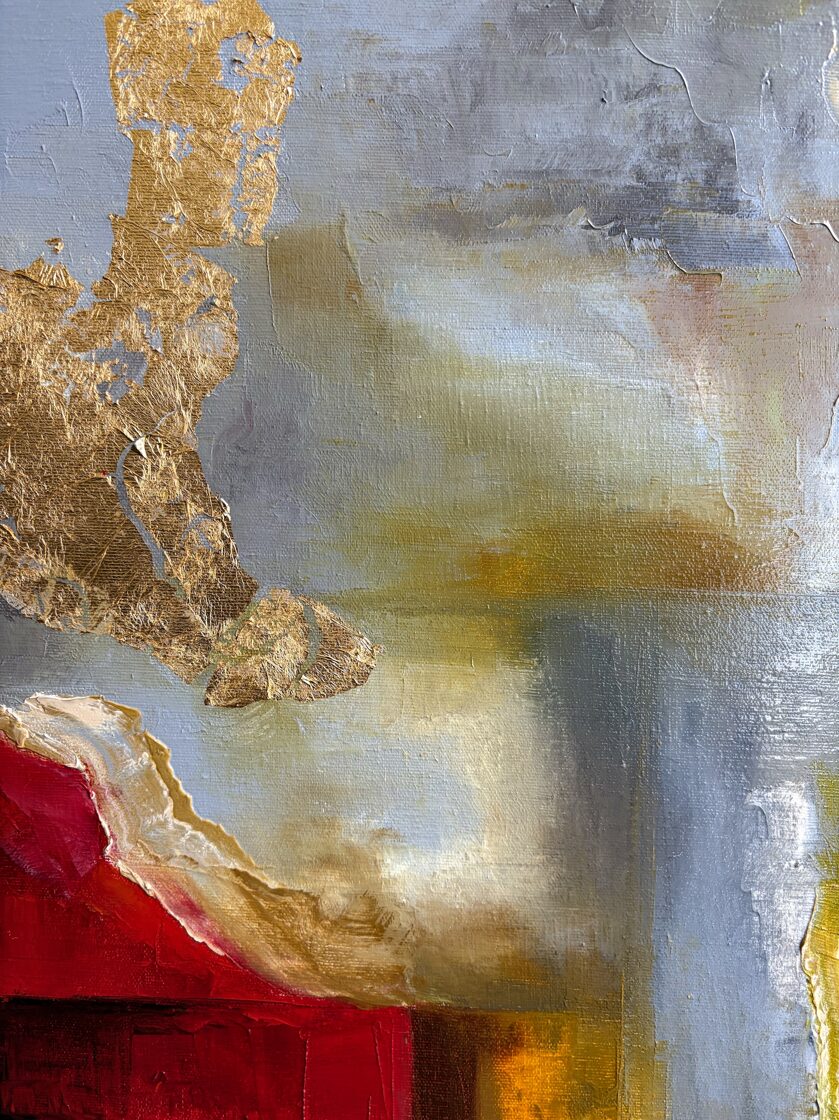
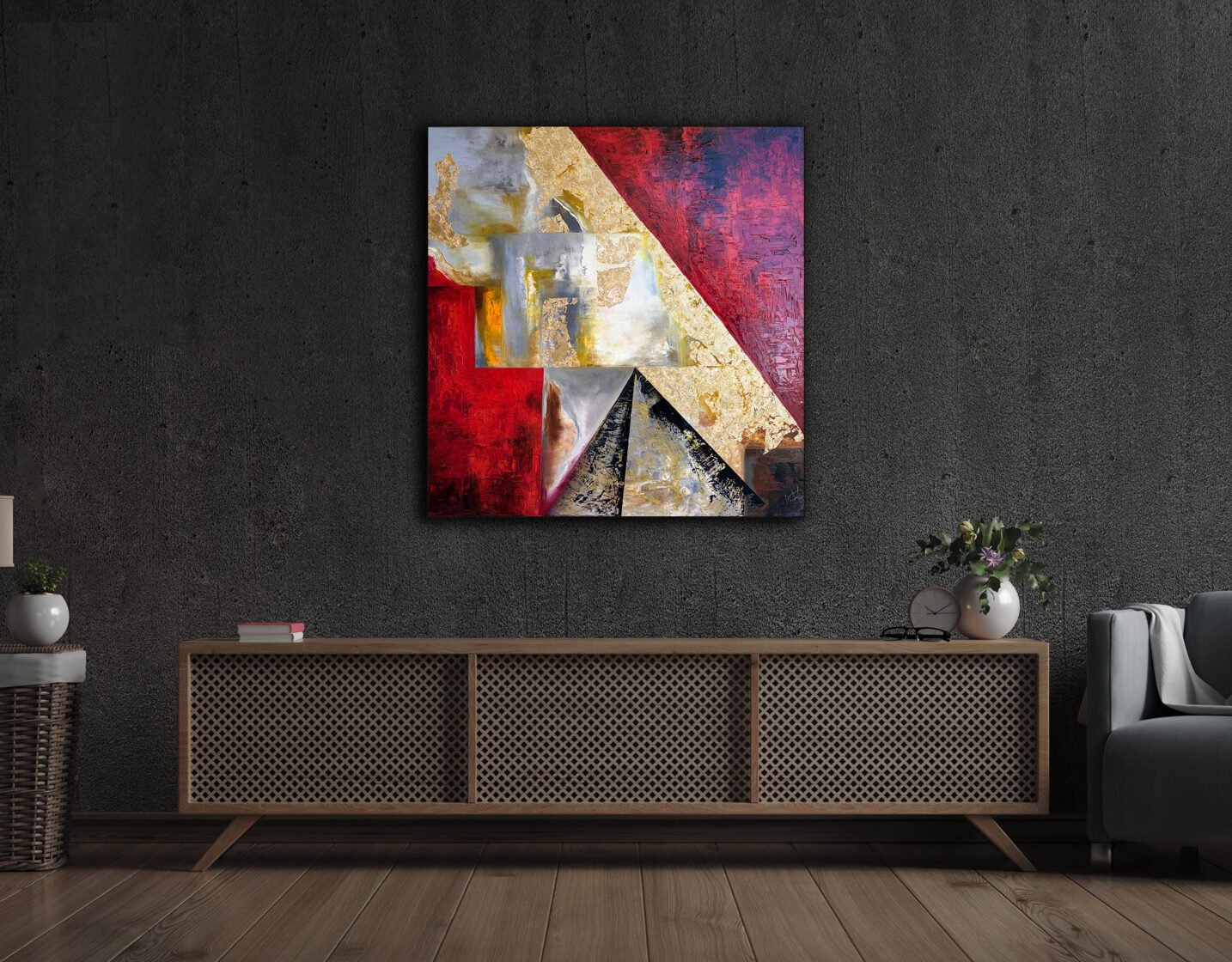
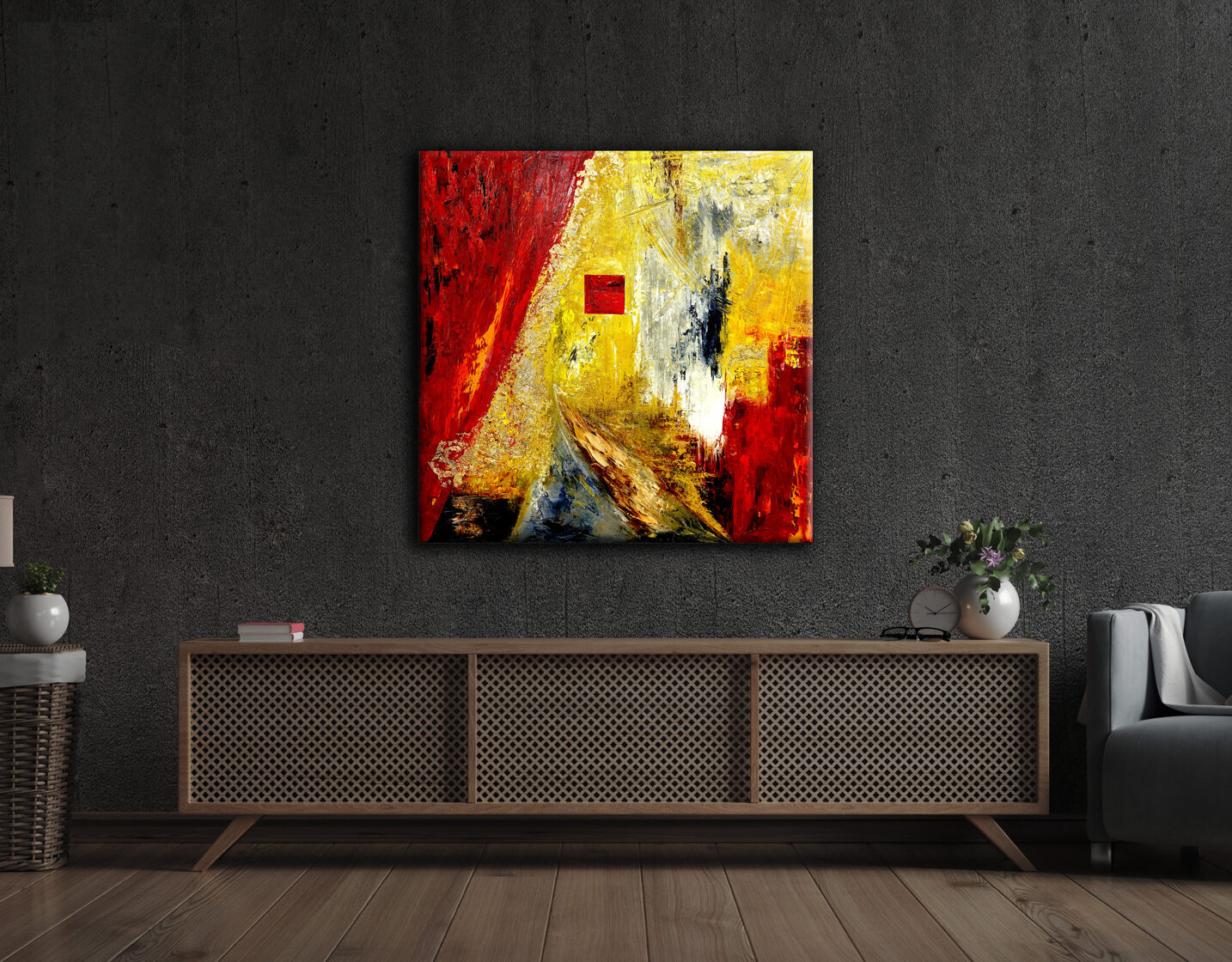
The Triumph
- 100 x 100 cm
- Oil-gold-canvas
- 2026, Sitges/Barcelona
- The artwork is part of the "Light" series
- AVAILABLE FOR PURCHASE
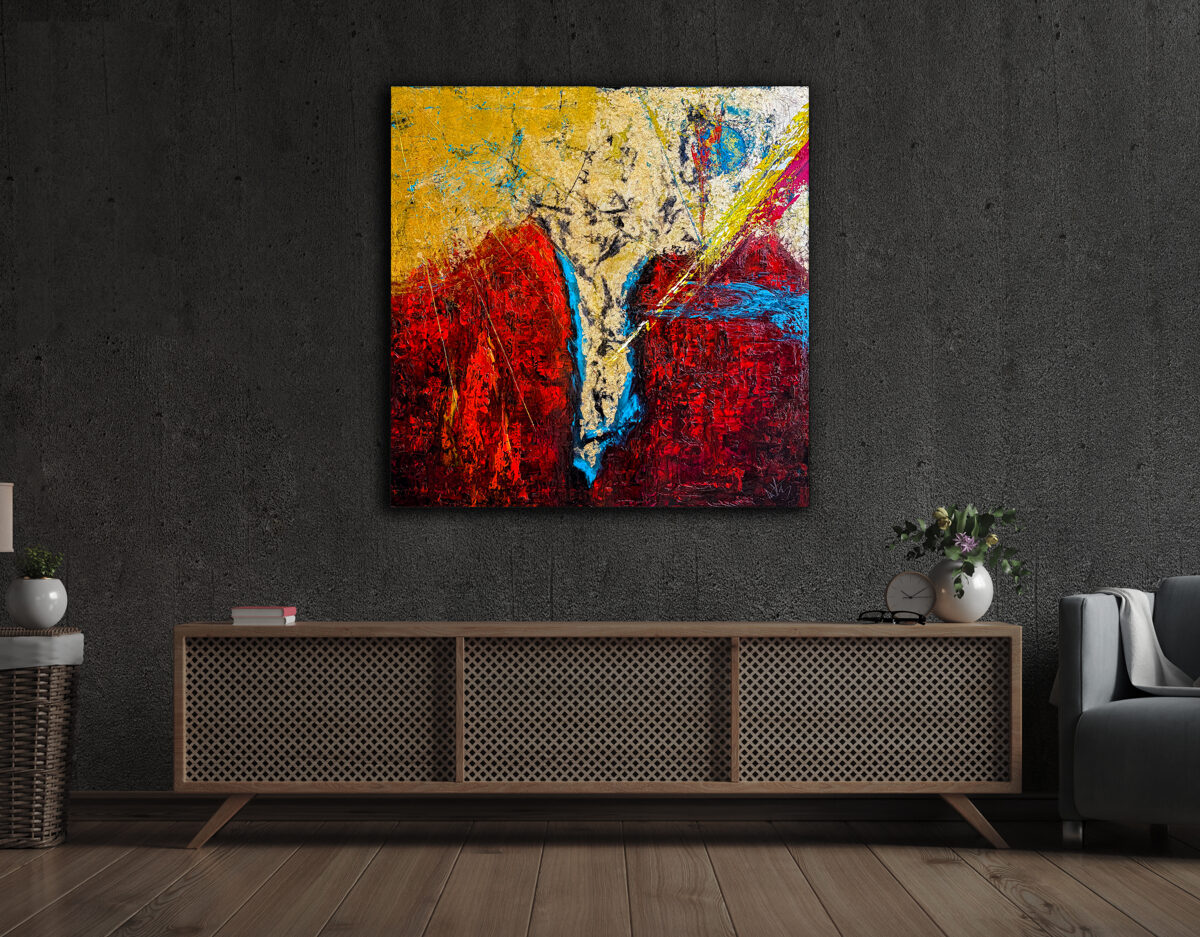
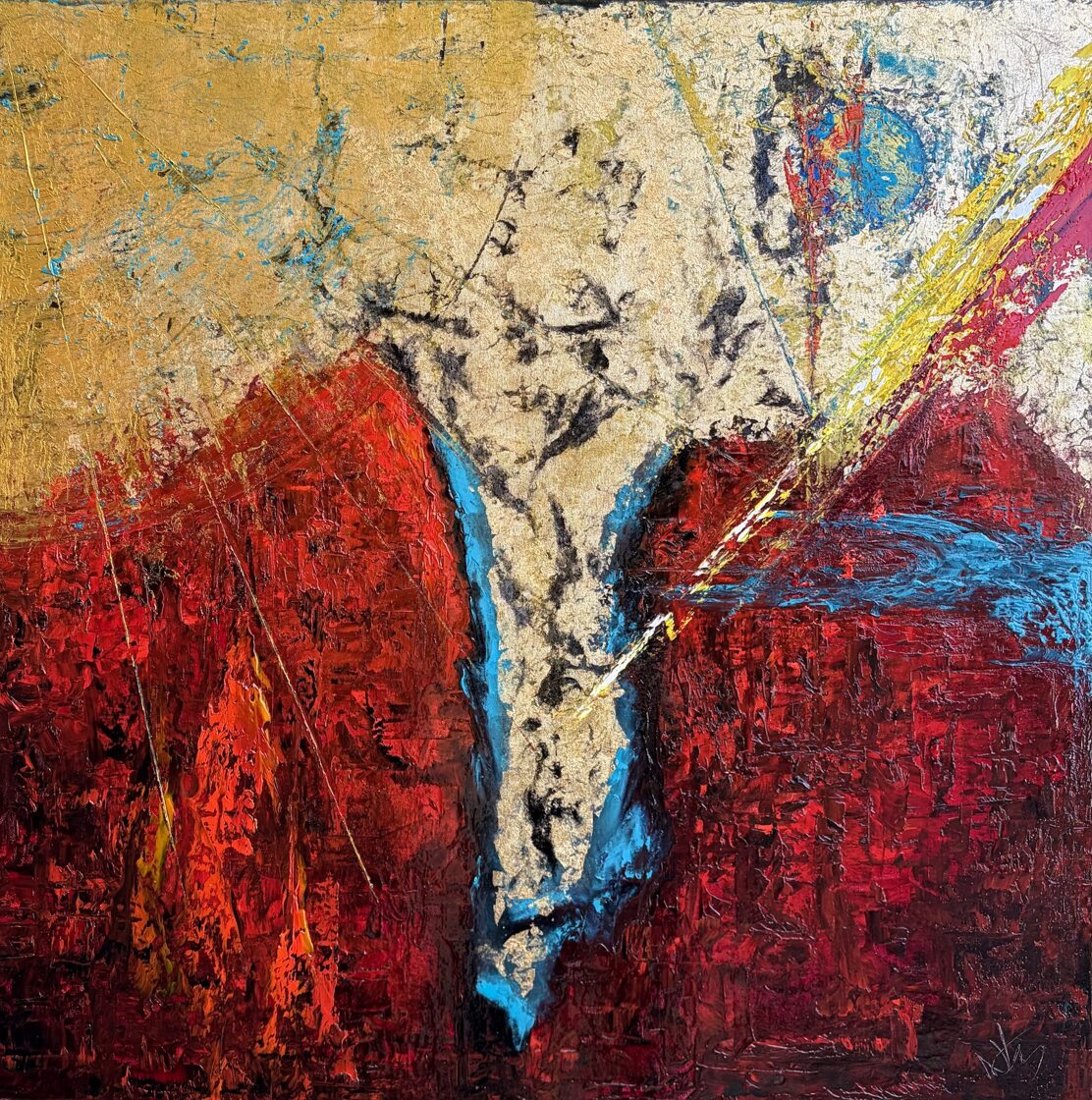
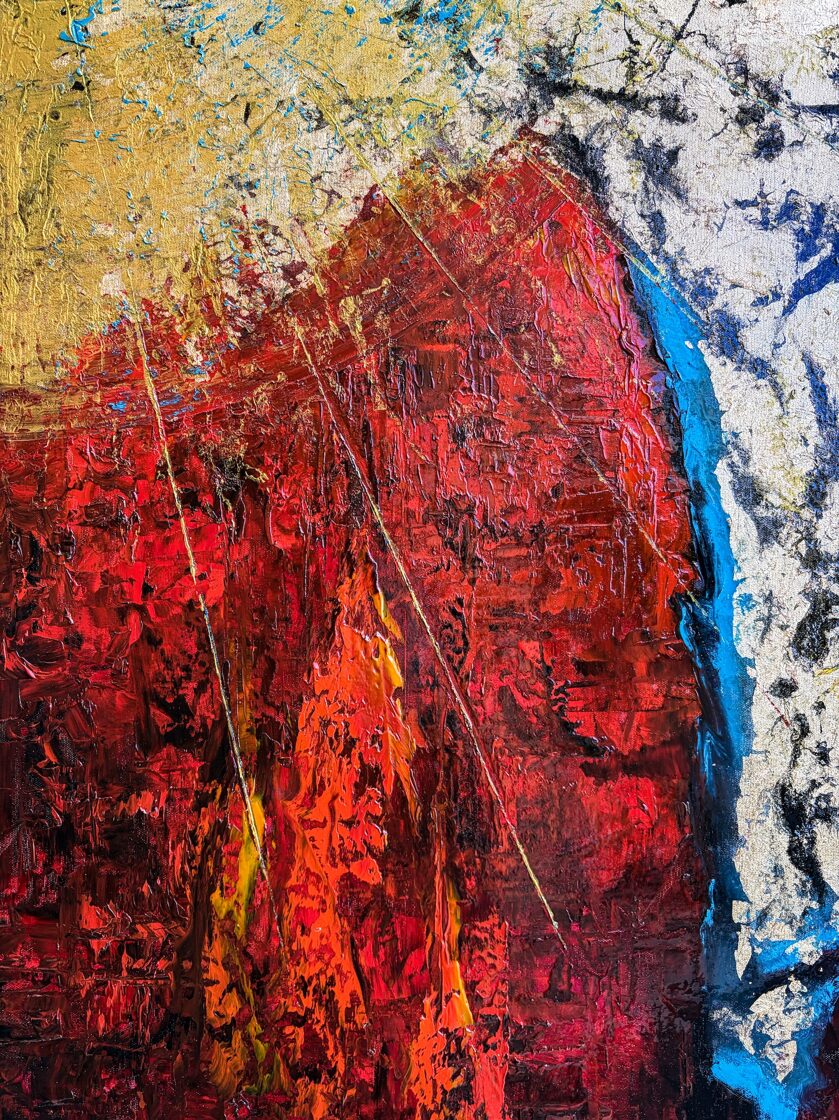
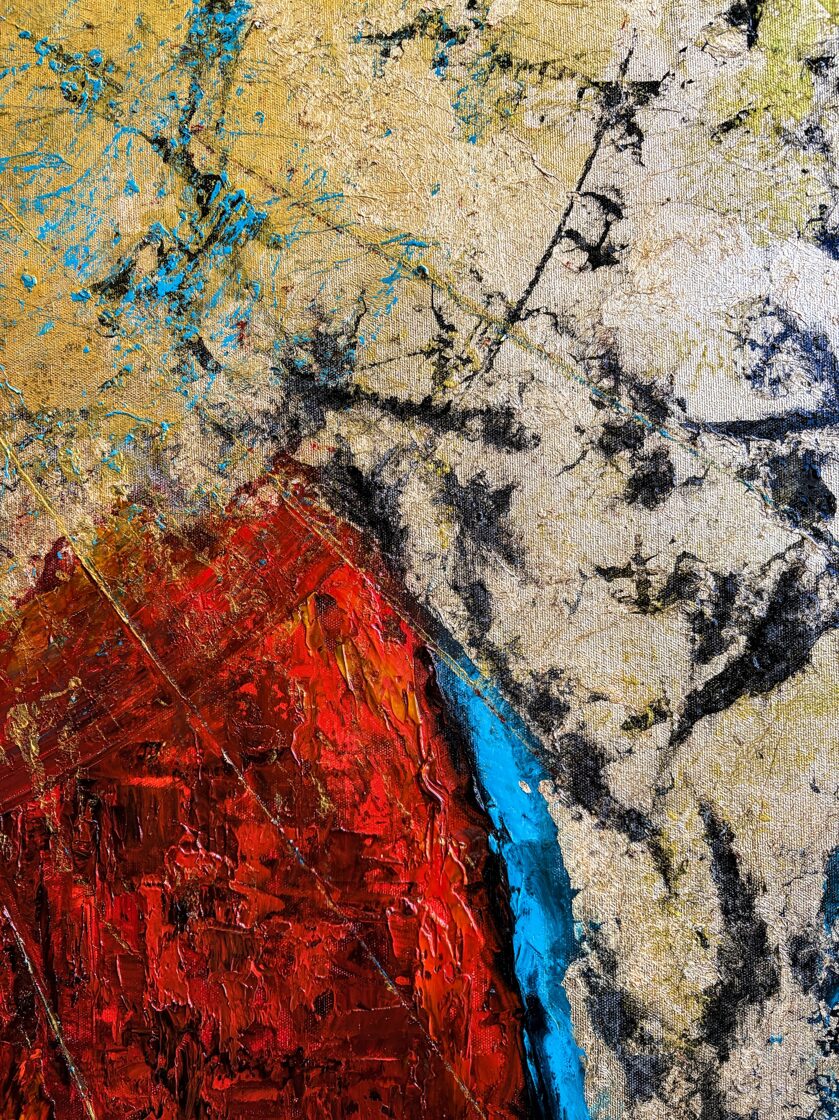
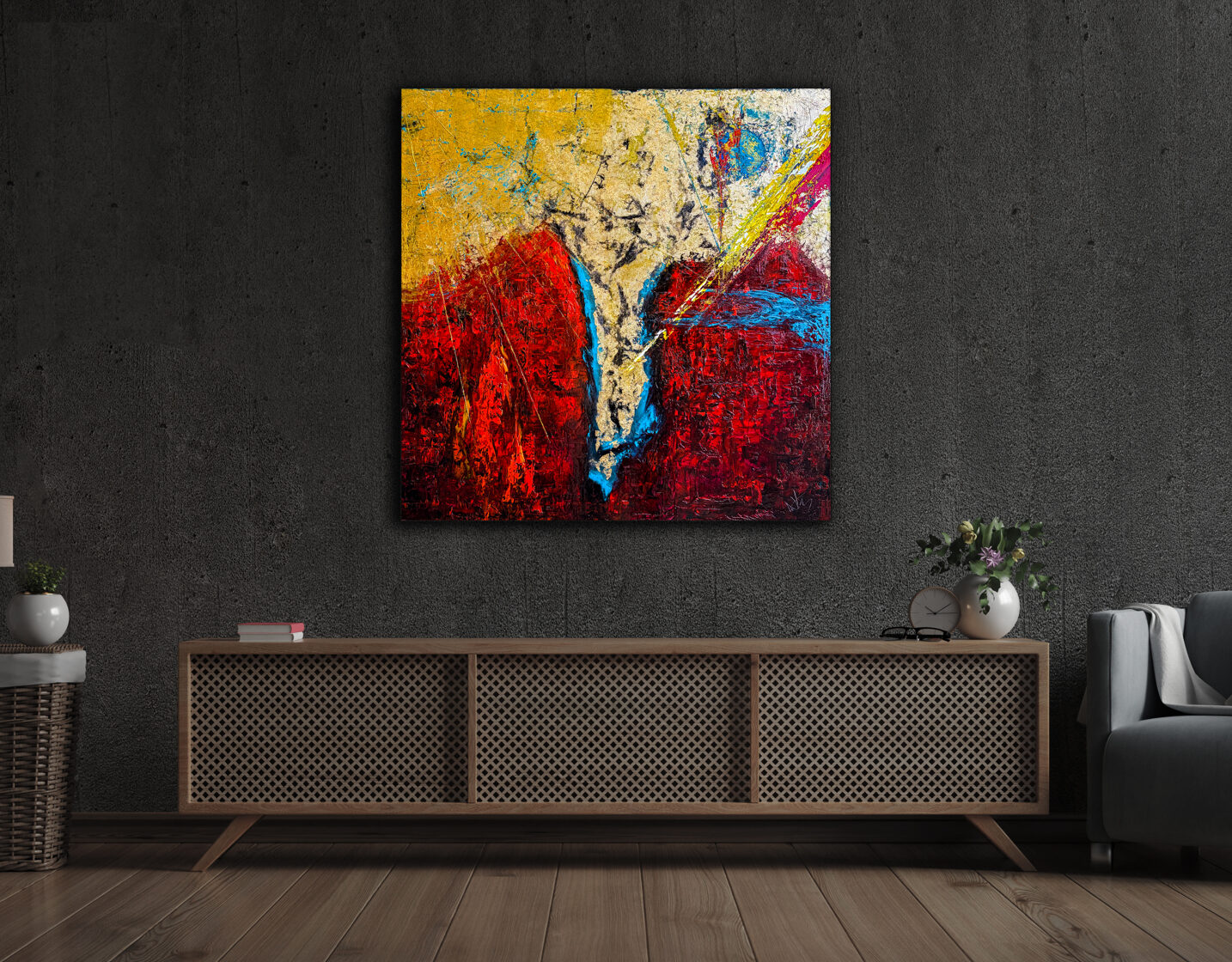
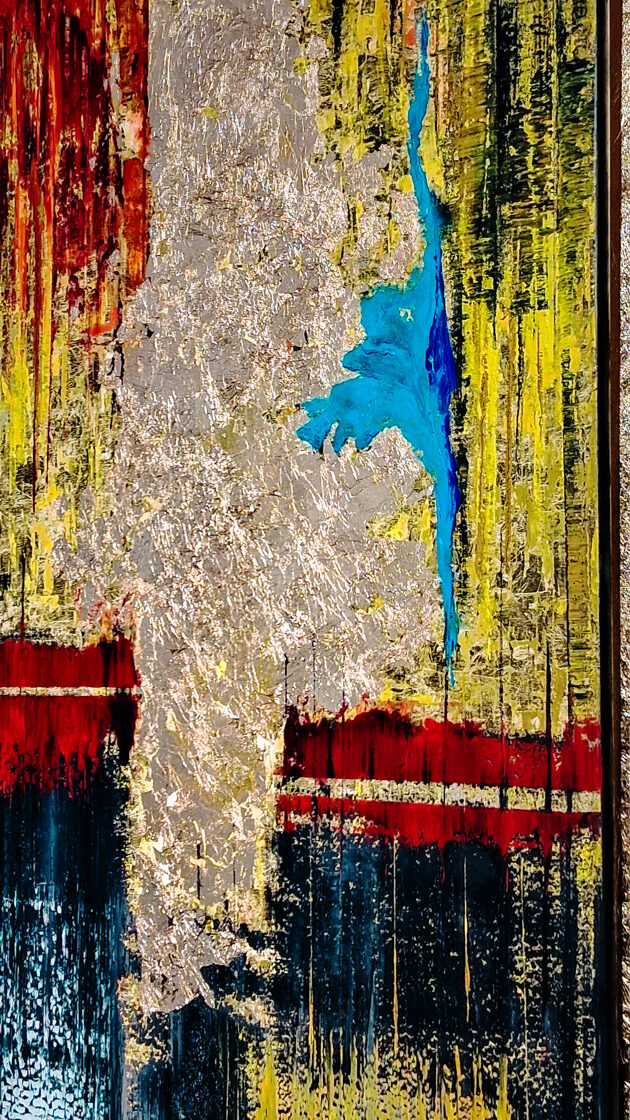
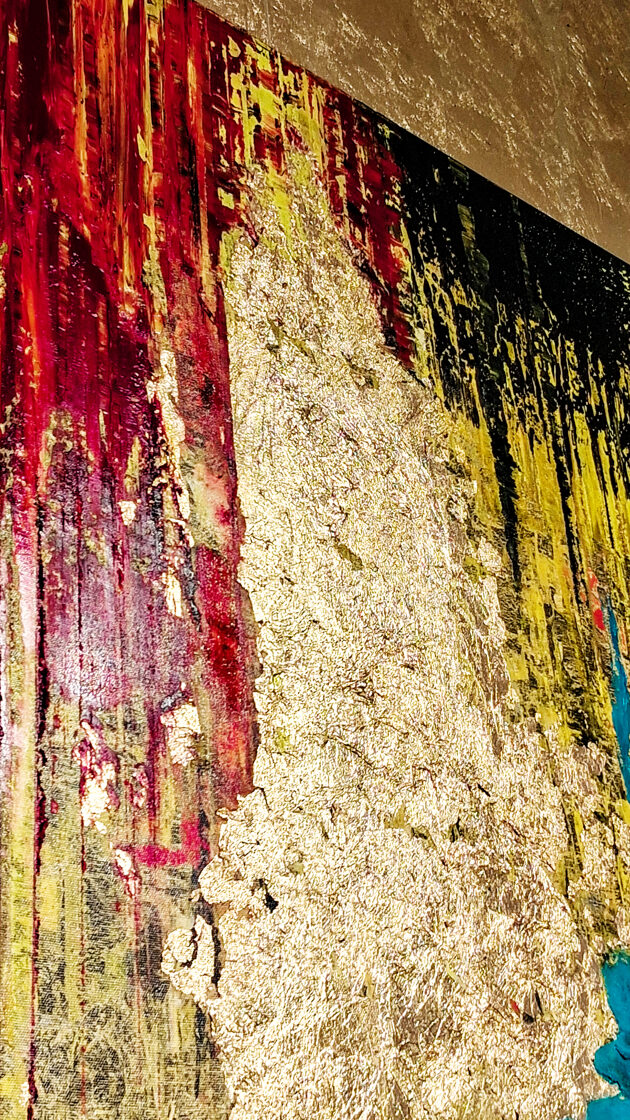
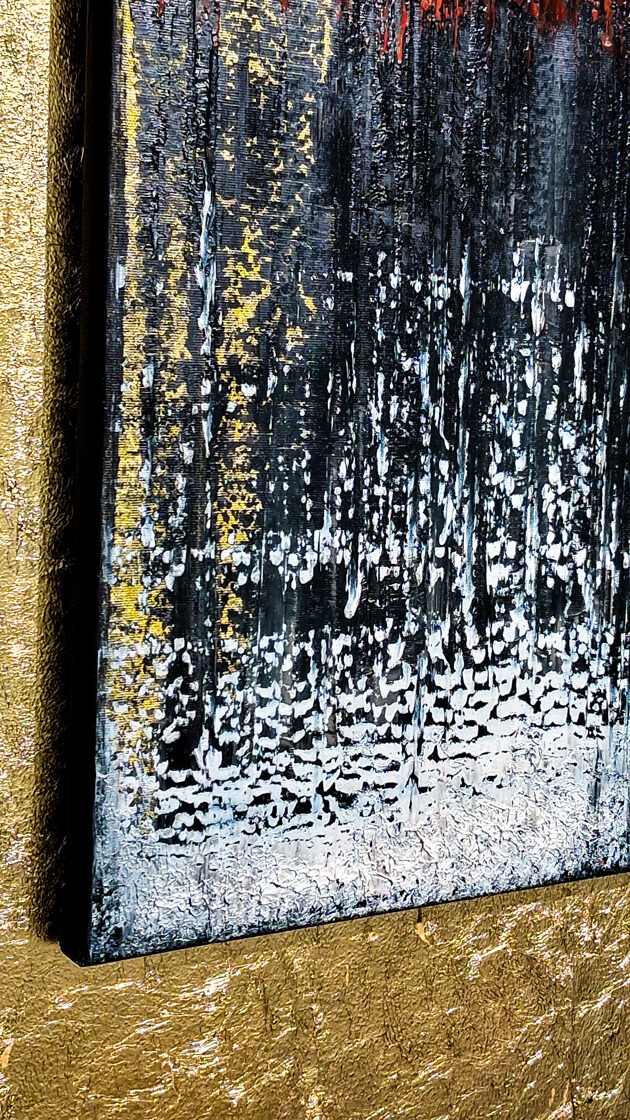
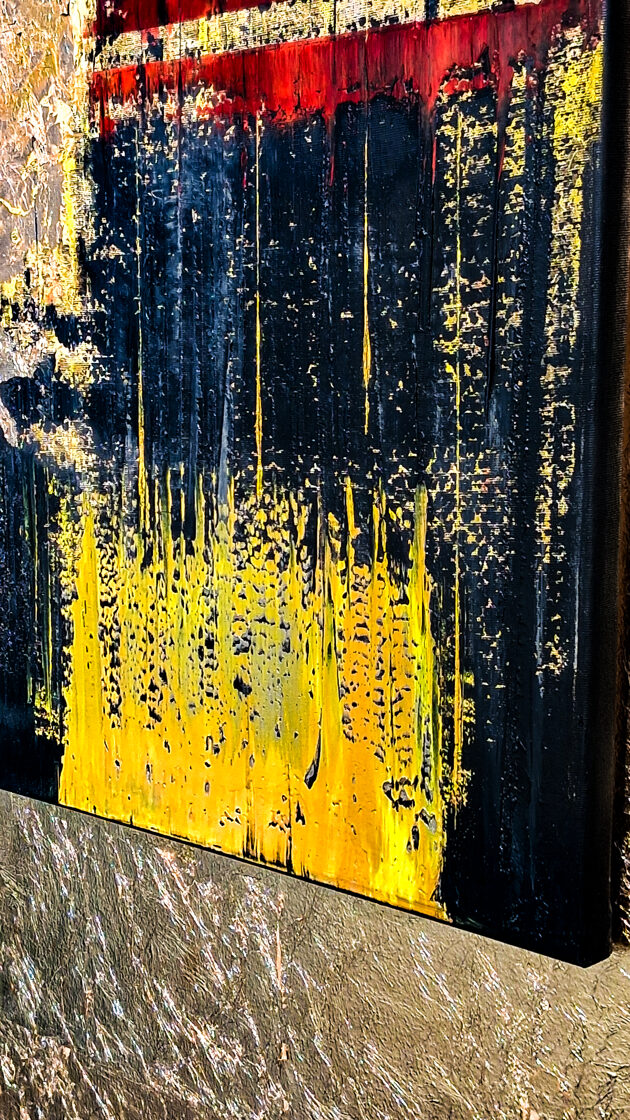
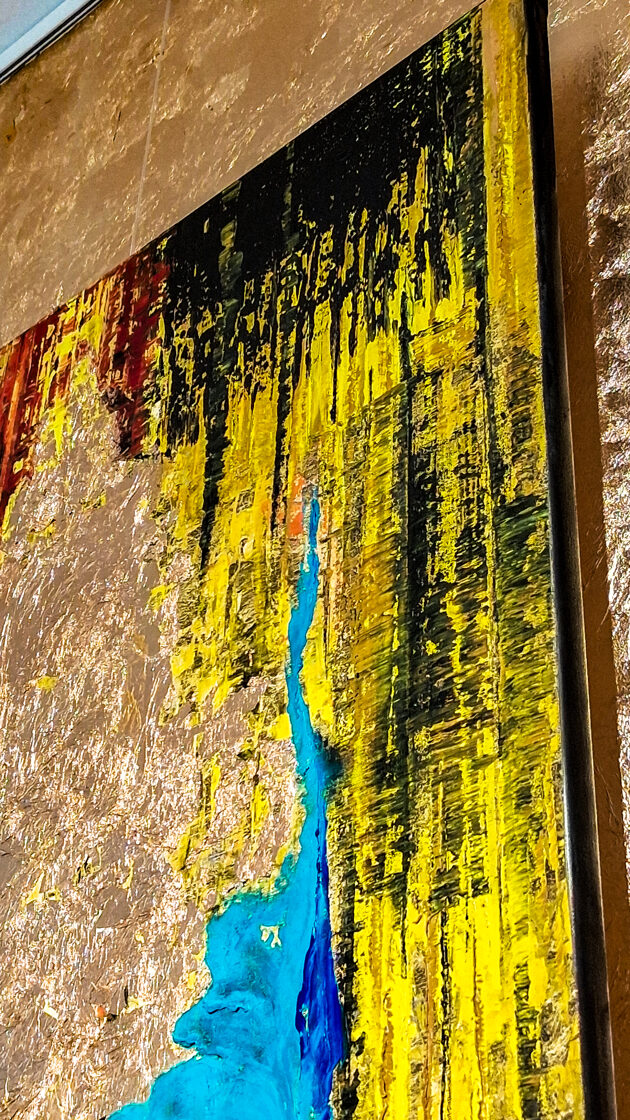
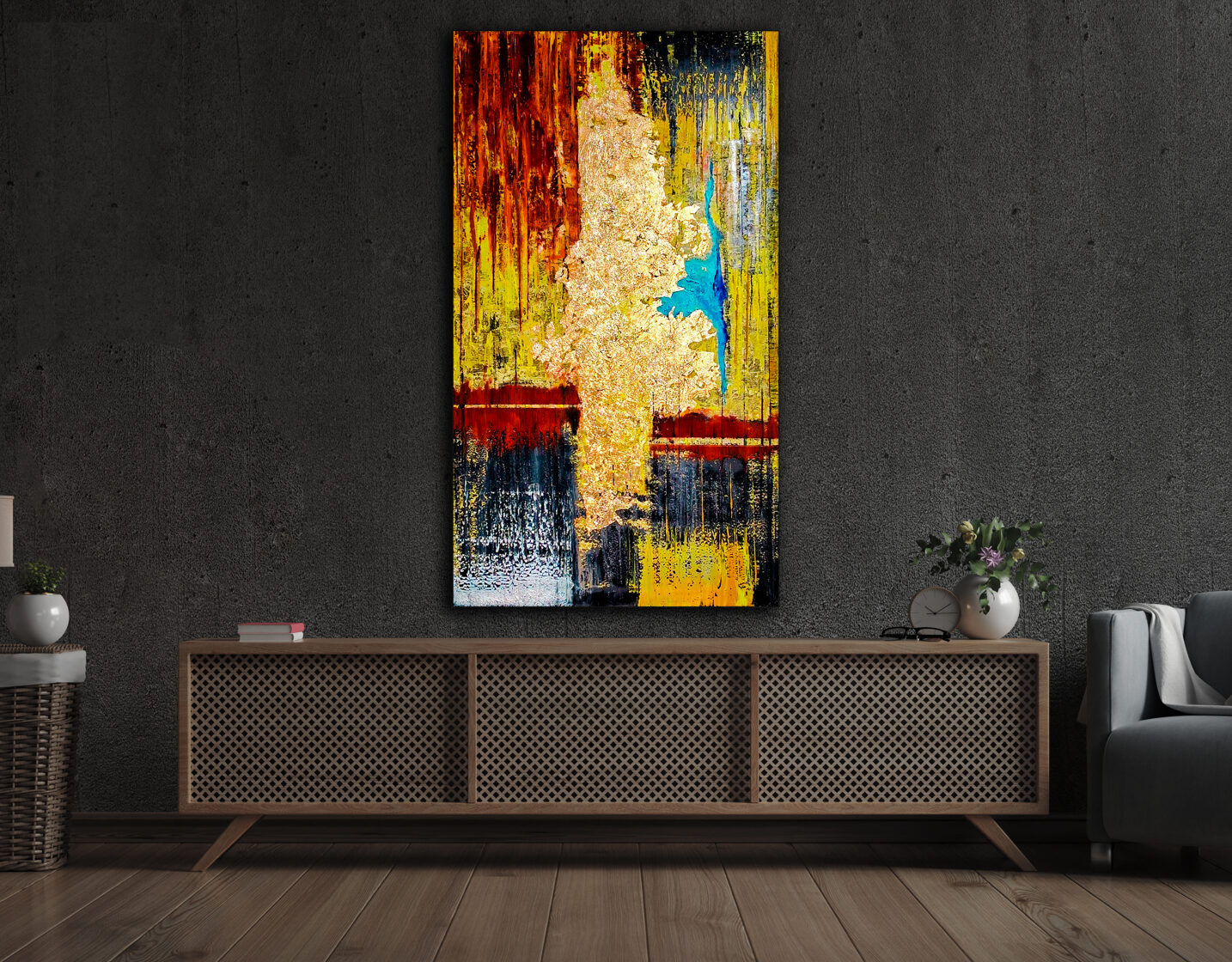
MM Apse
- 136 x 76 cm
- Oil-gold- preprinted canvas (media mix)
- 2026, Sitges/Barcelona
- AVAILABLE FOR PURCHASE
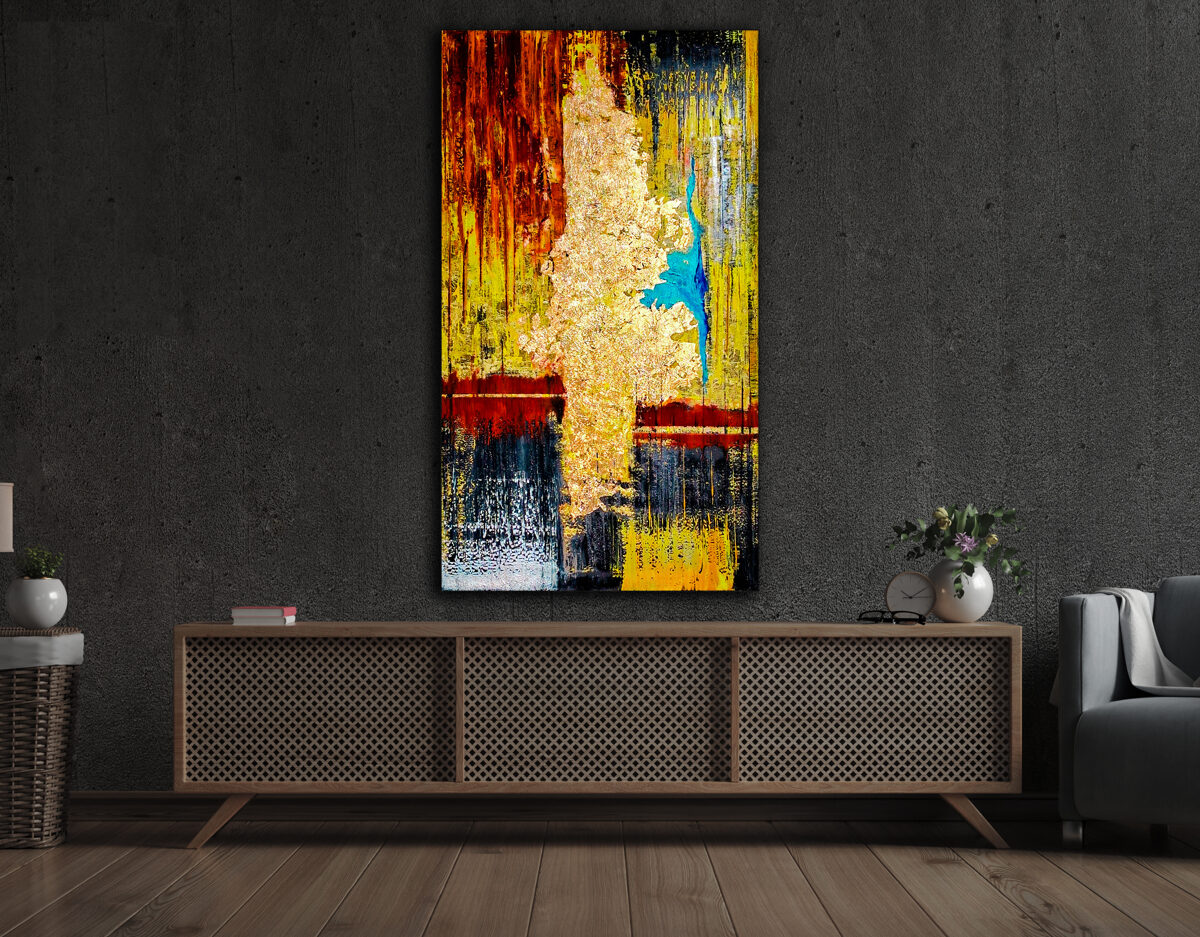
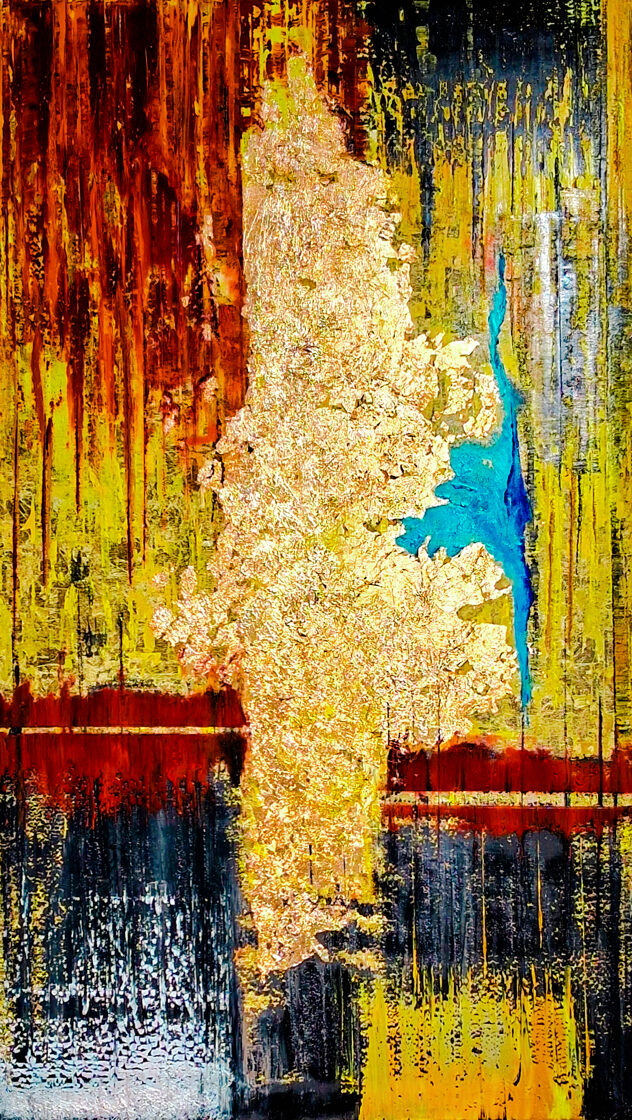
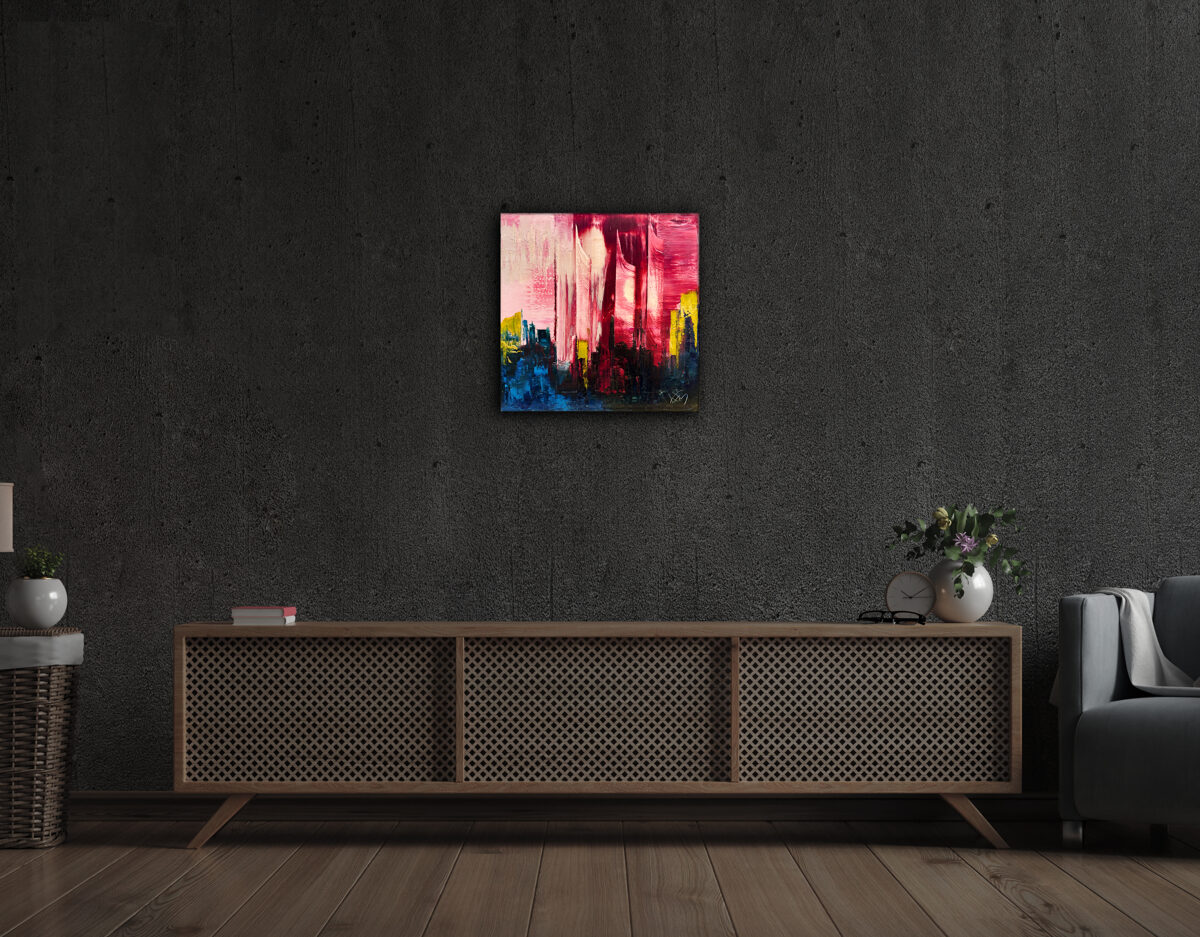
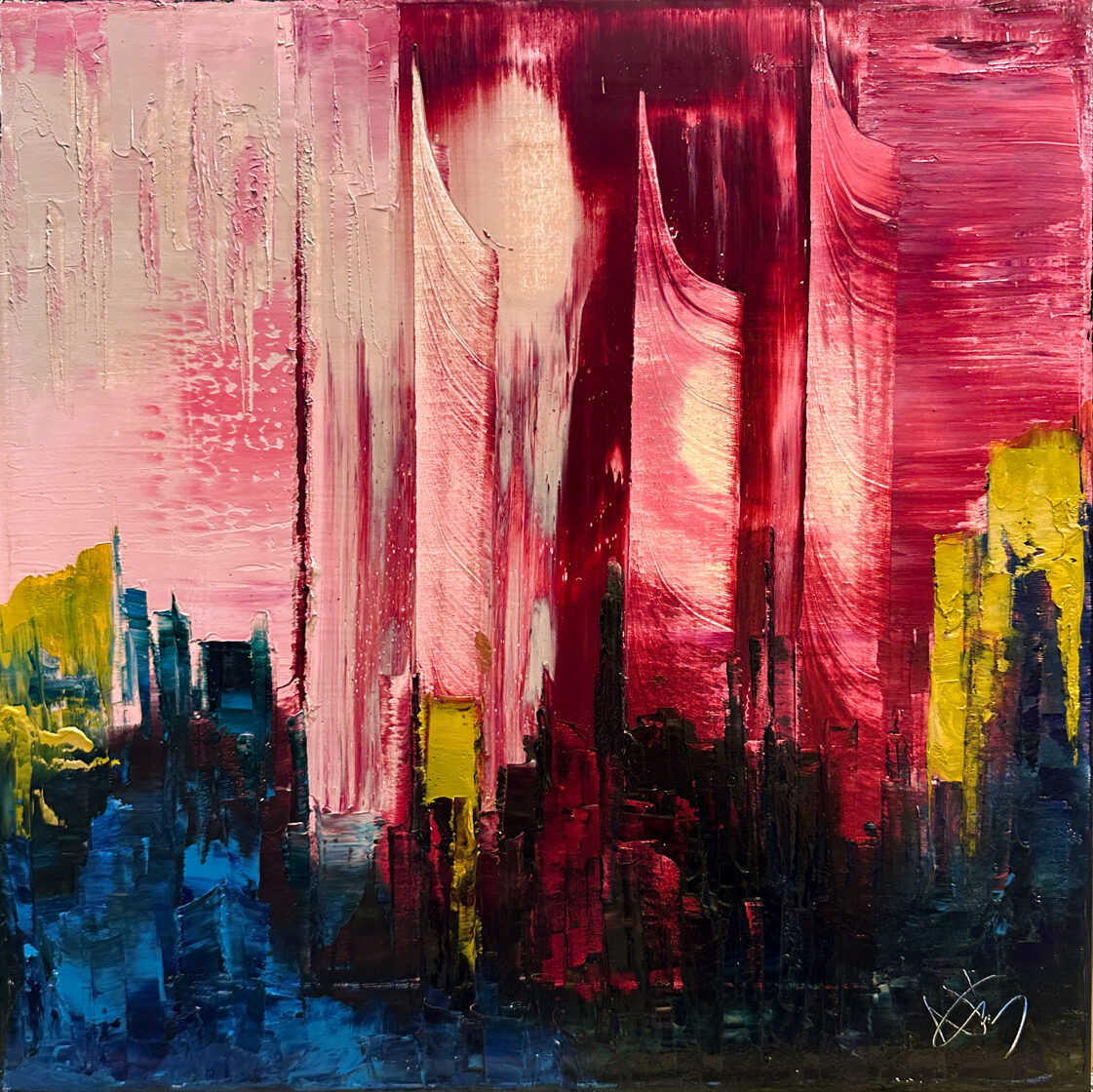
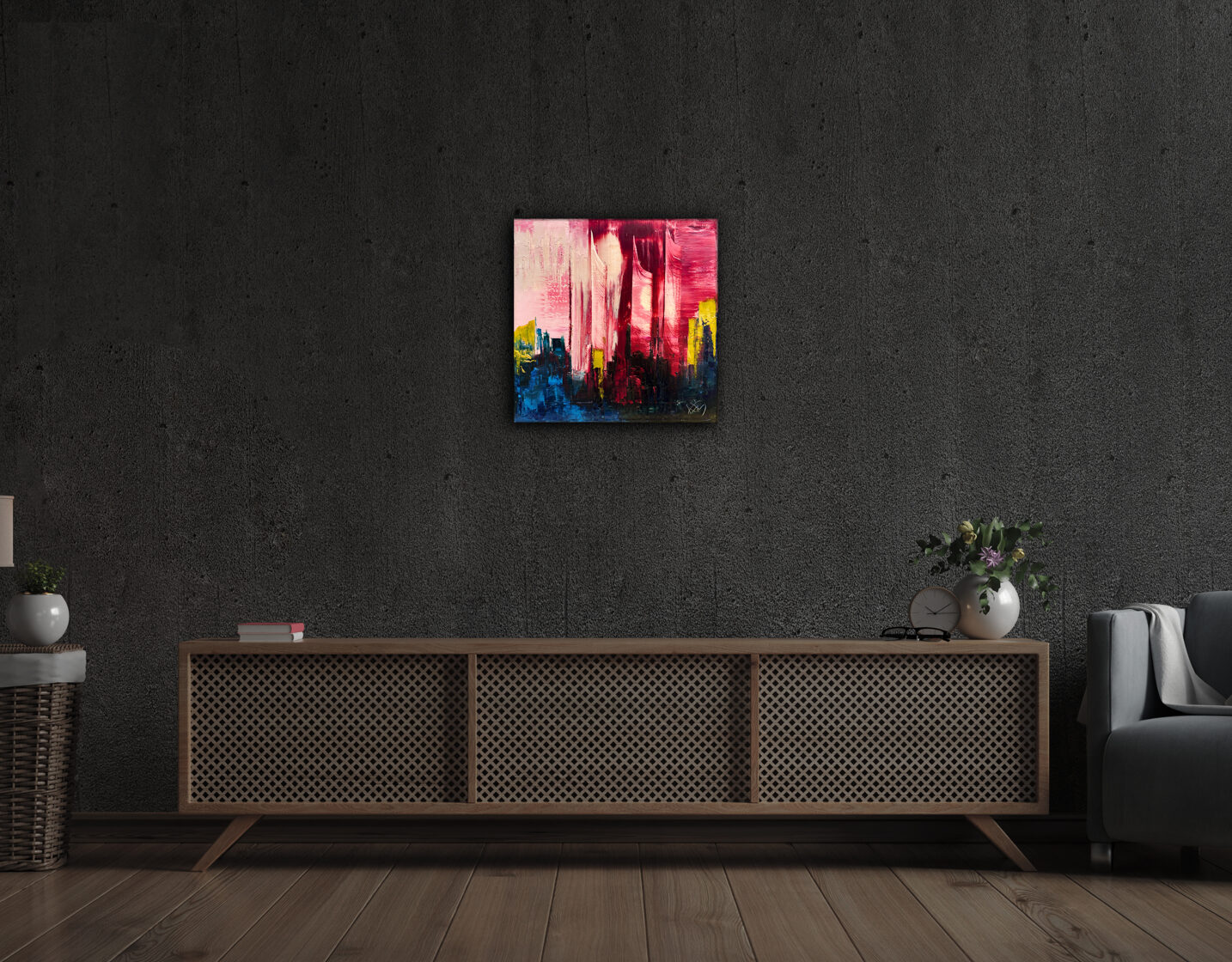
Dawn in San Diego
- 40 x 40 cm
- Oil-gold-canvas
- 2026, Sitges/Barcelona
- SOLD


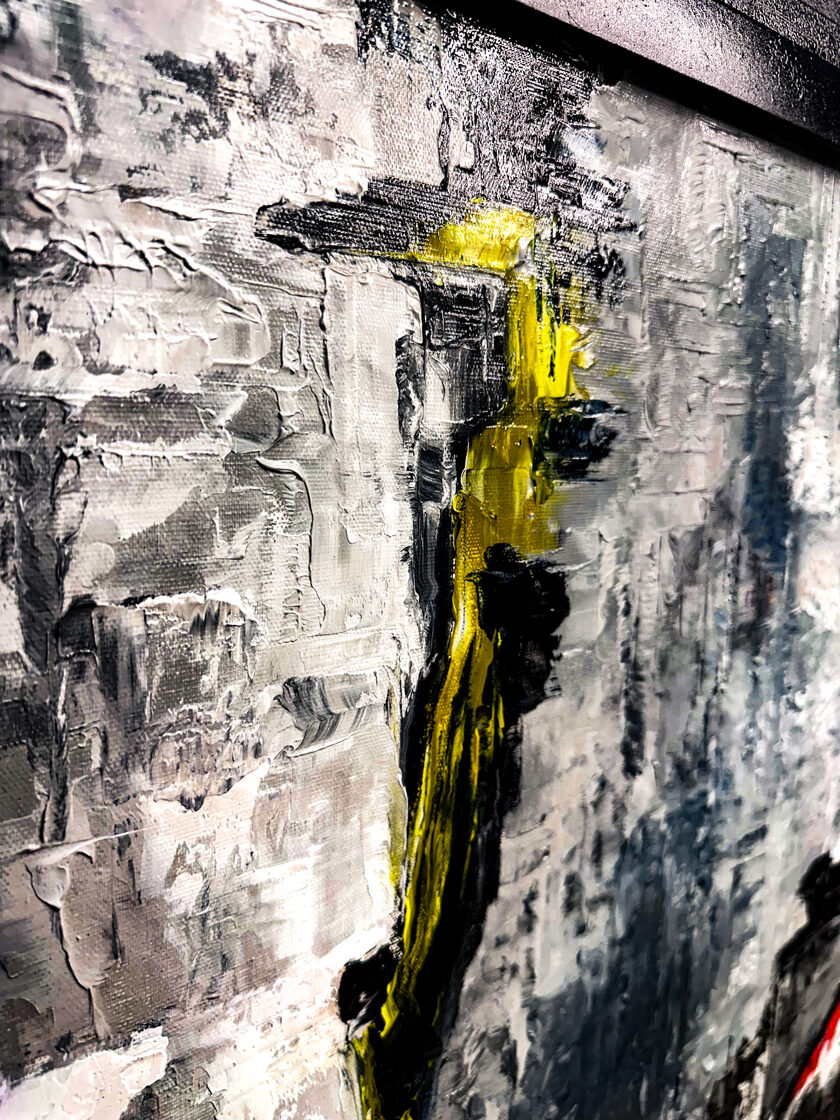
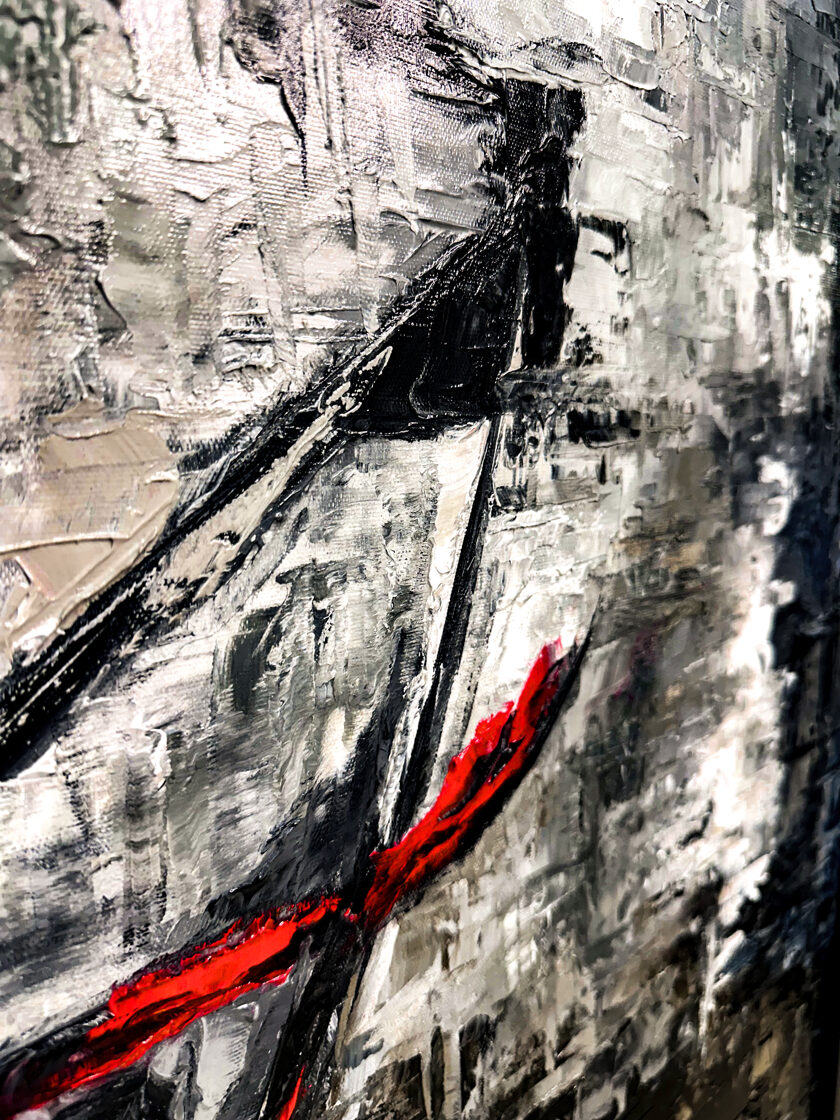
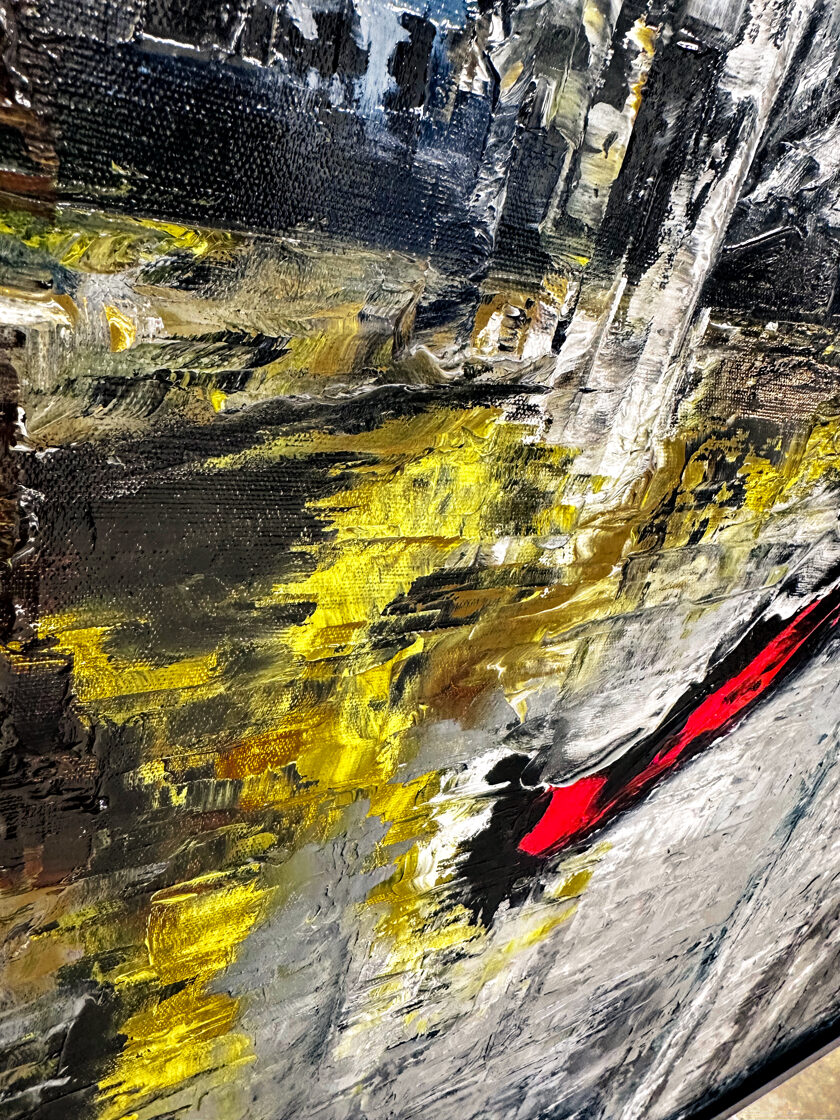
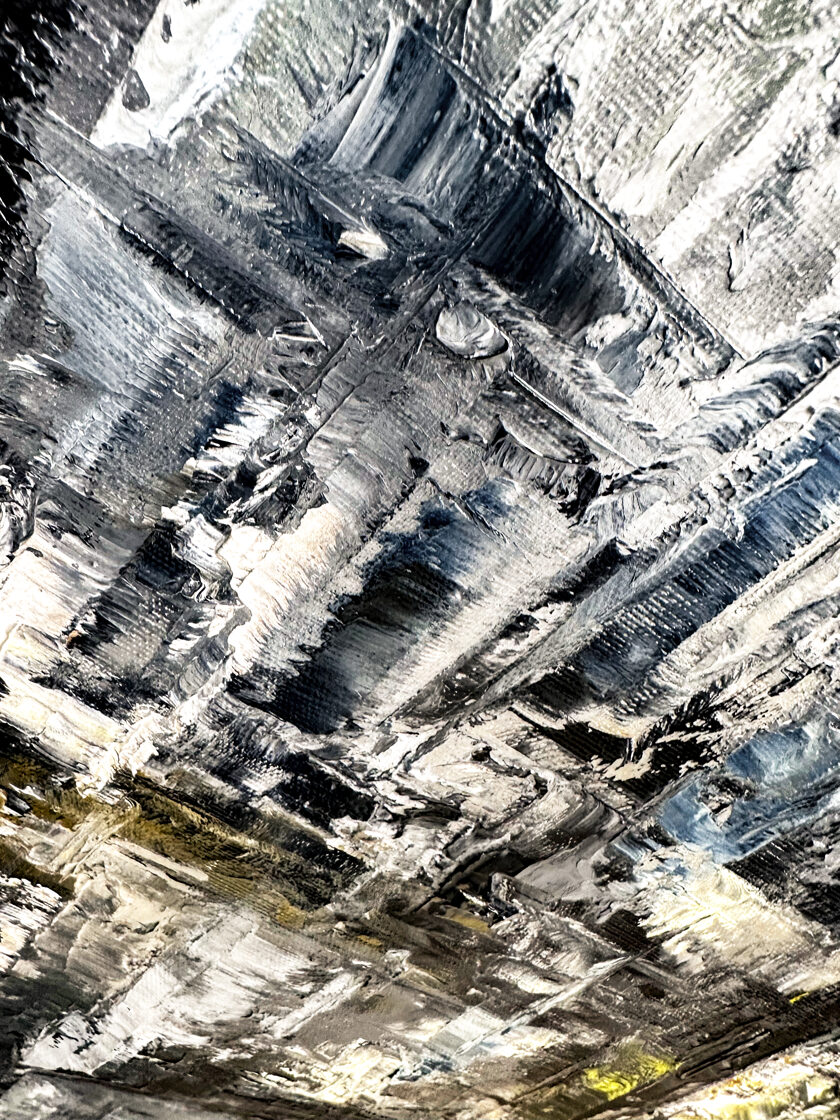
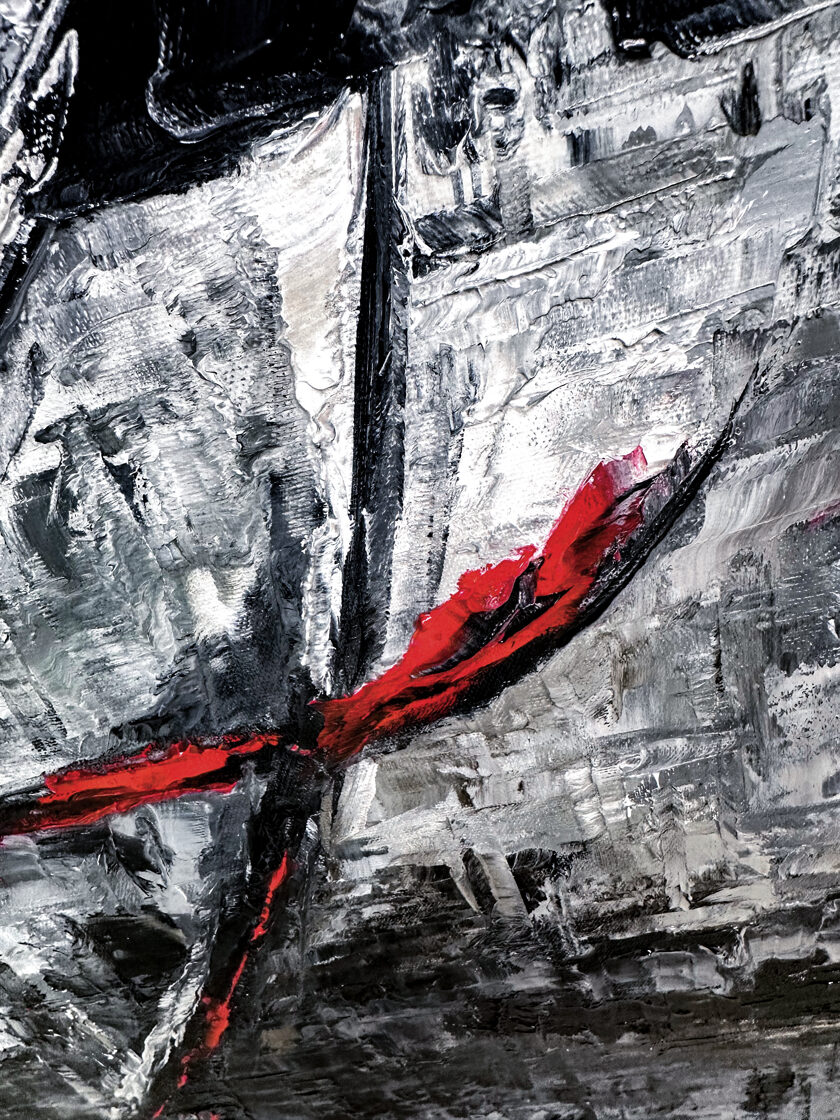
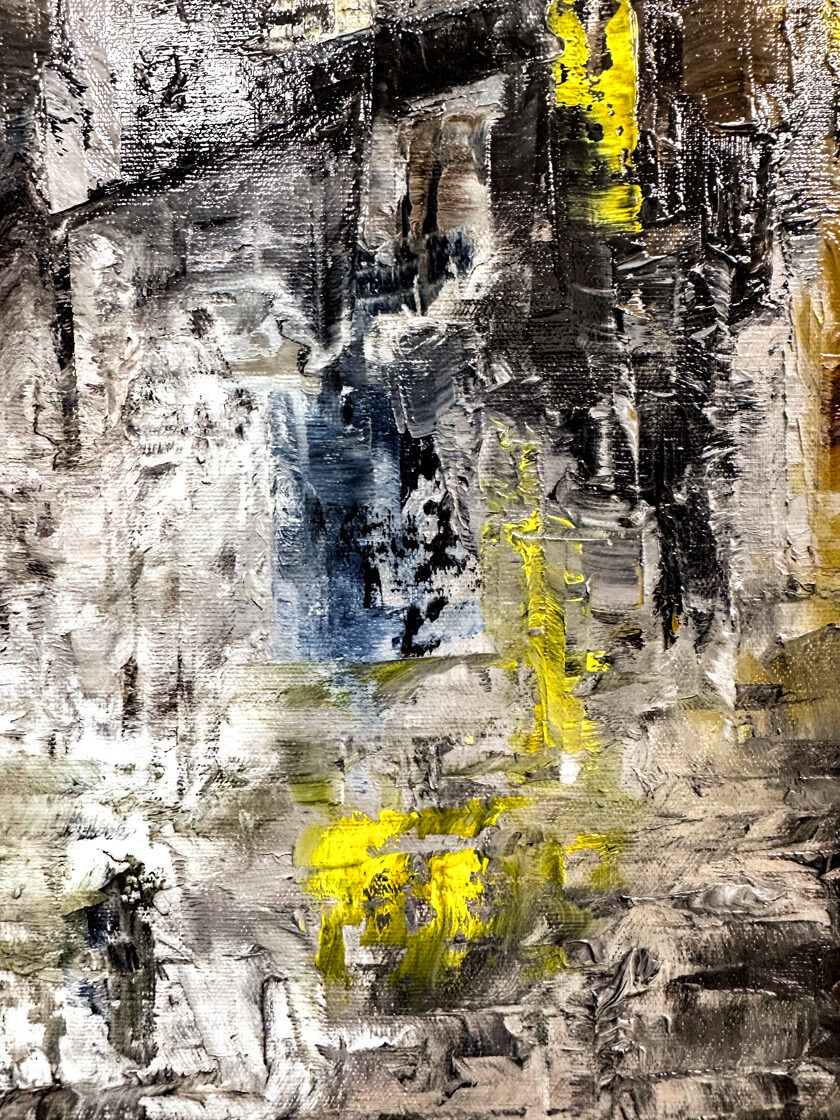
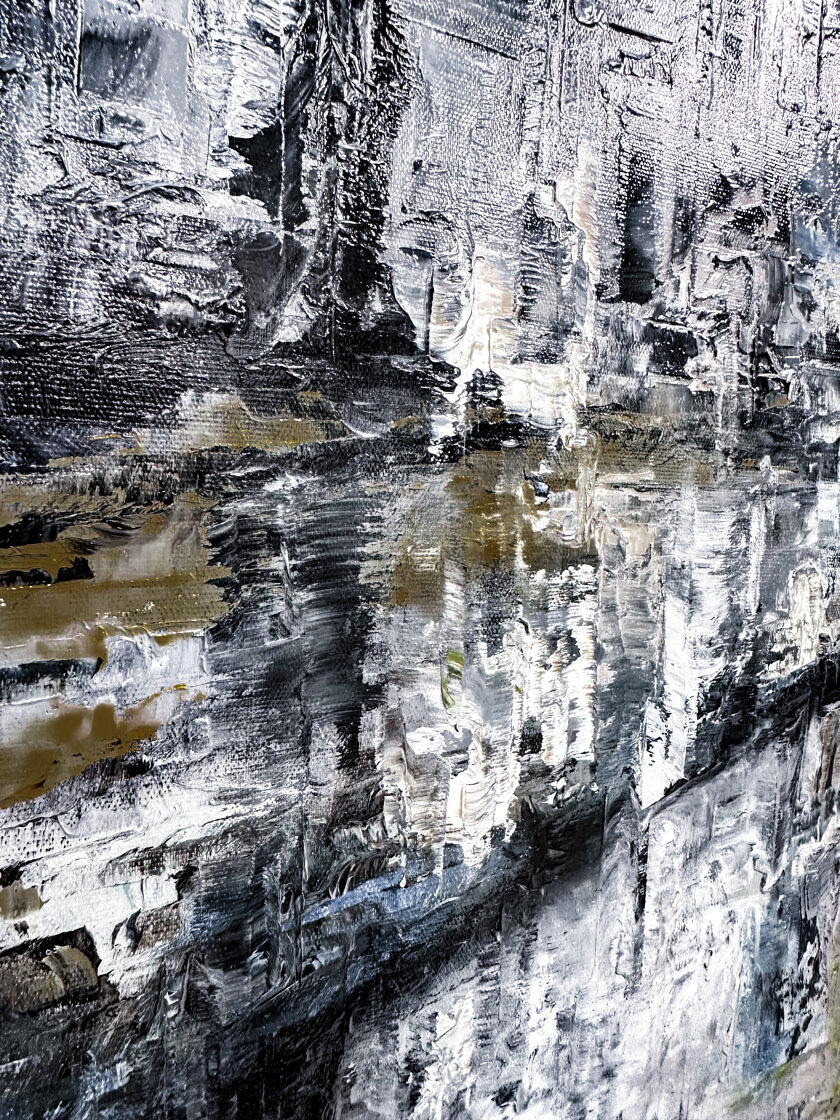
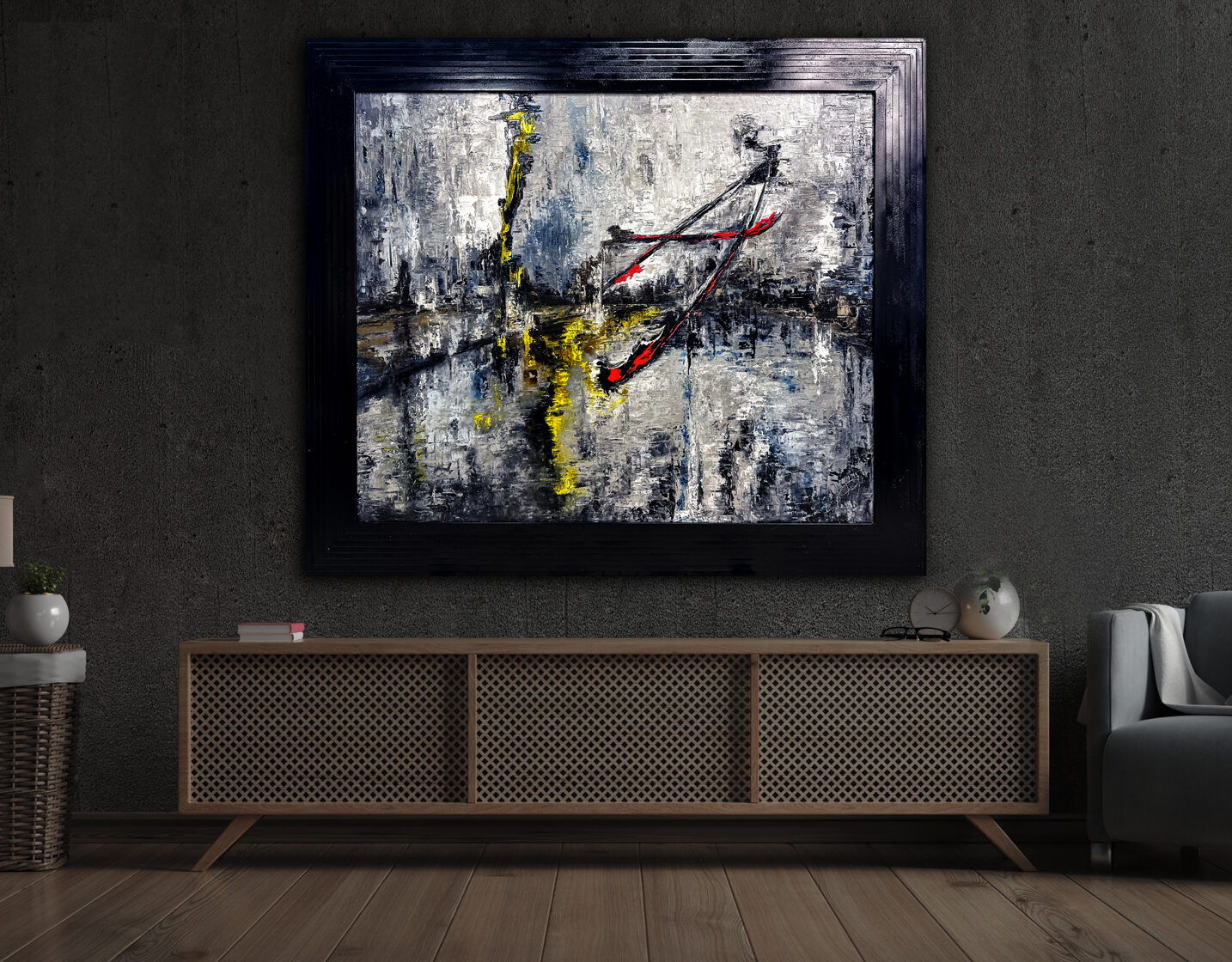
The Scarlet Letter - Paraphrase
- 101 x 121 cm (without the frame)
- Oil-gold-canvas
- 2026, Sitges/Barcelona
- AVAILABLE FOR PURCHASE
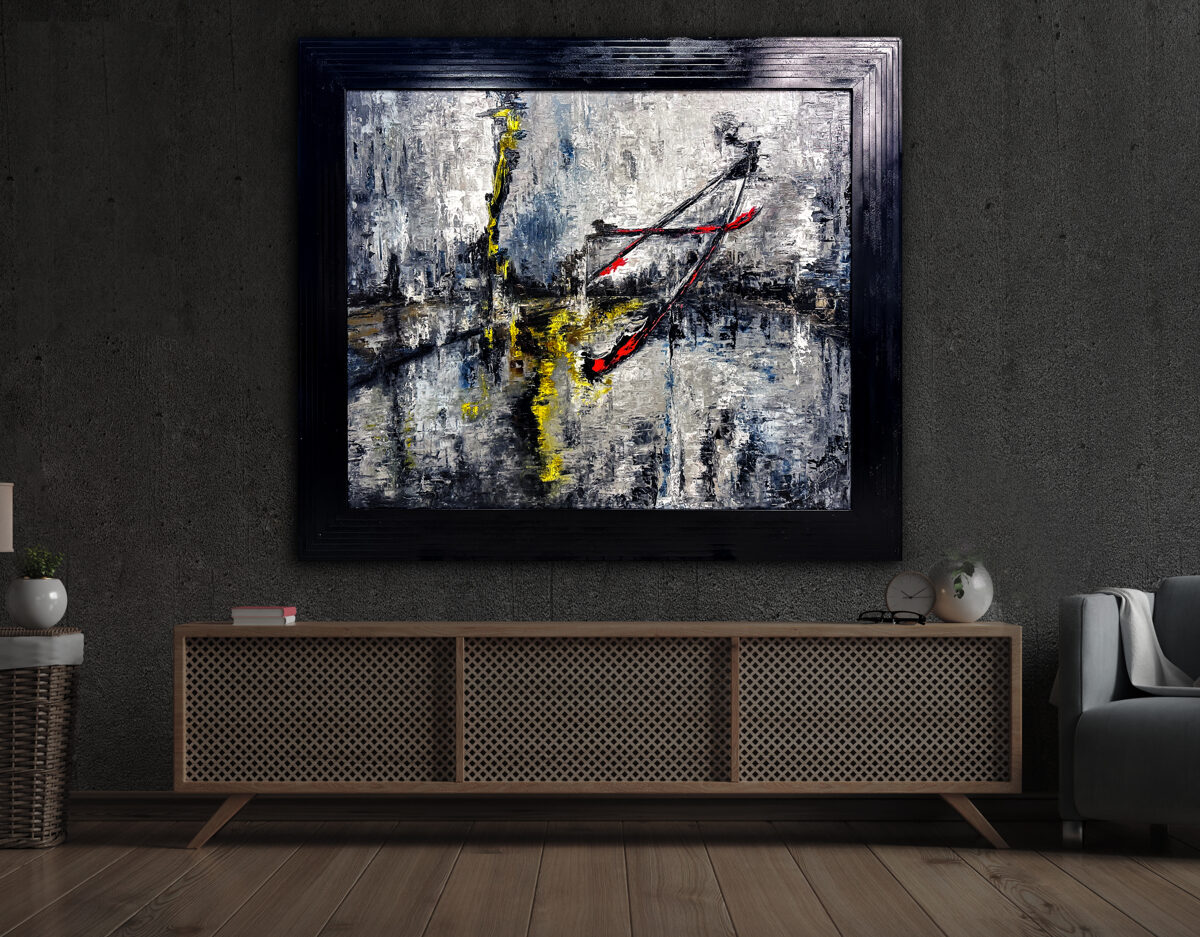
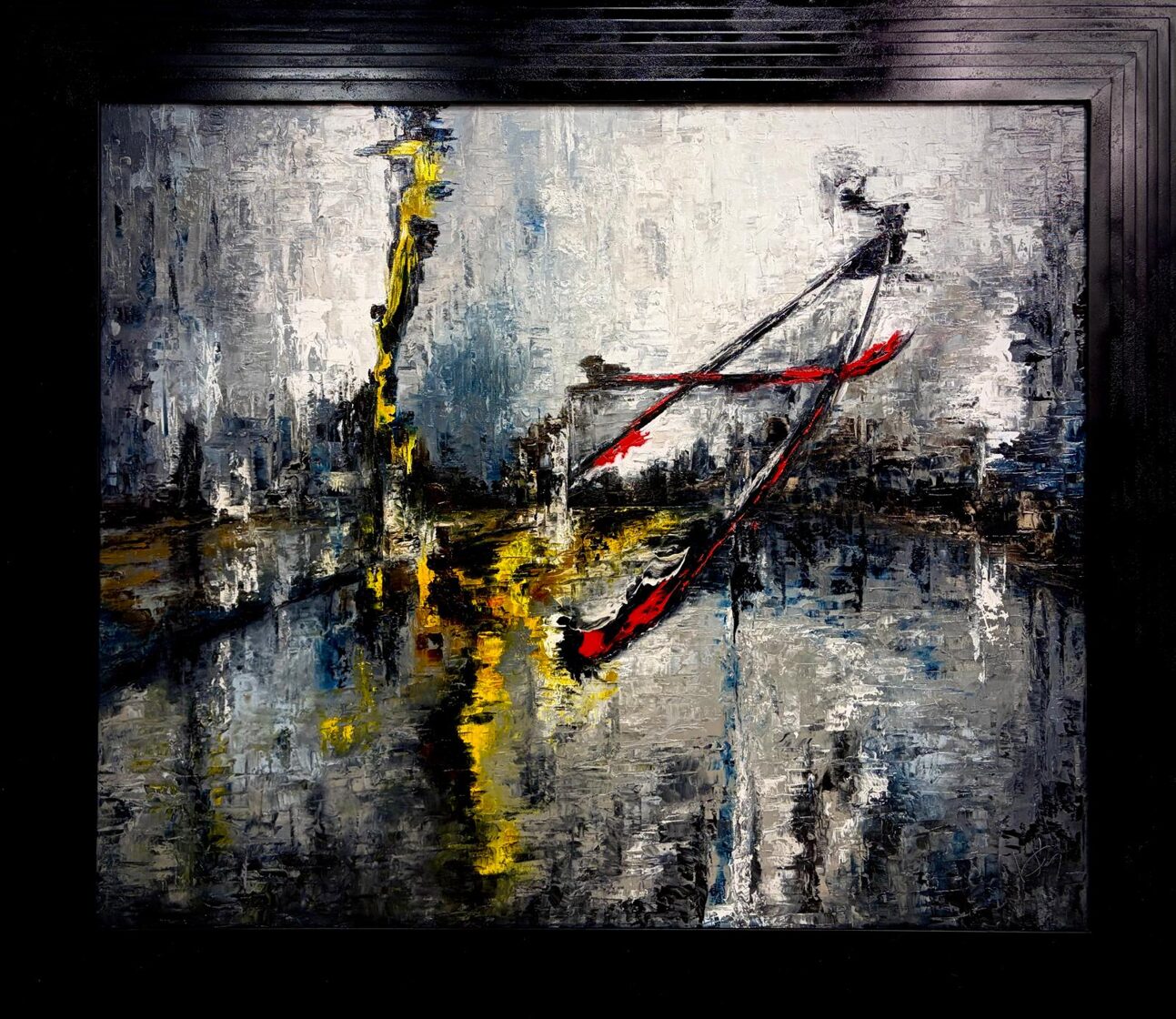
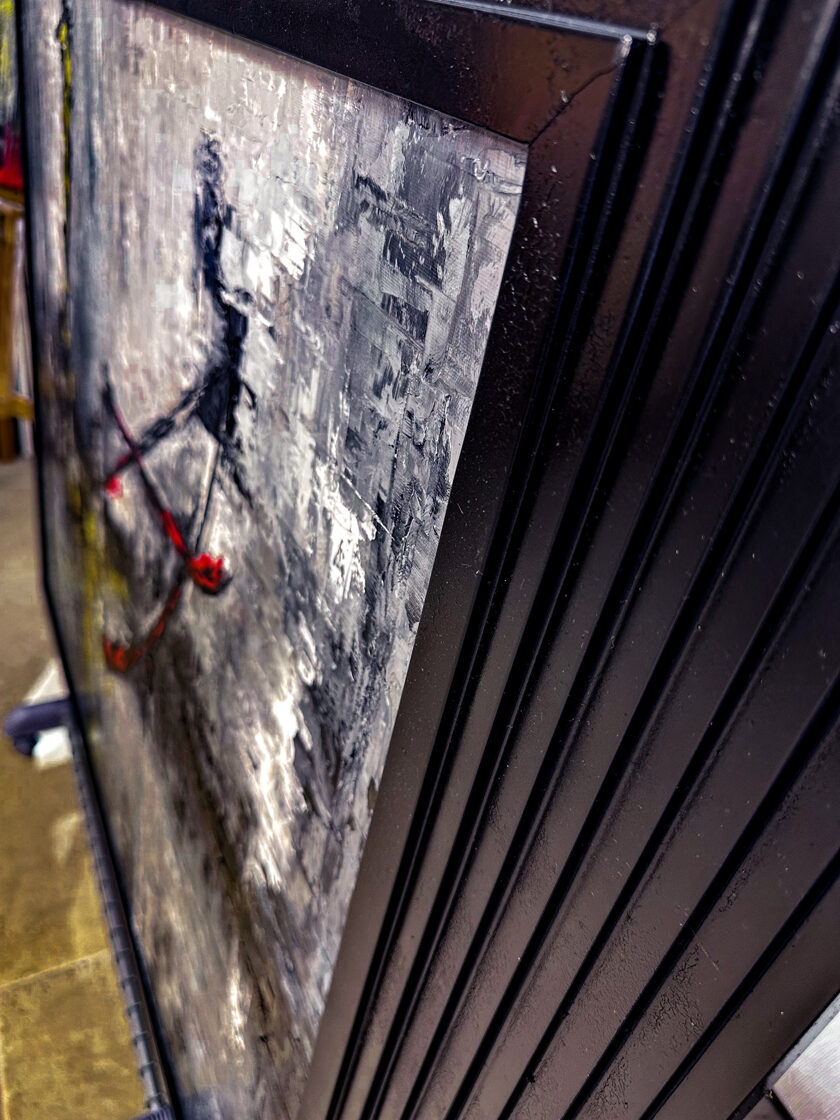
Consiliatus Imperius
- 100 x 81 cm
- Oil-gold-canvas
- 2025, Sitges/Barcelona
- The artwork is part of the cycle "Alexander the Great 'Imperator Ultimus' – Secrets and Truths"
- AVAILABLE FOR PURCHASE
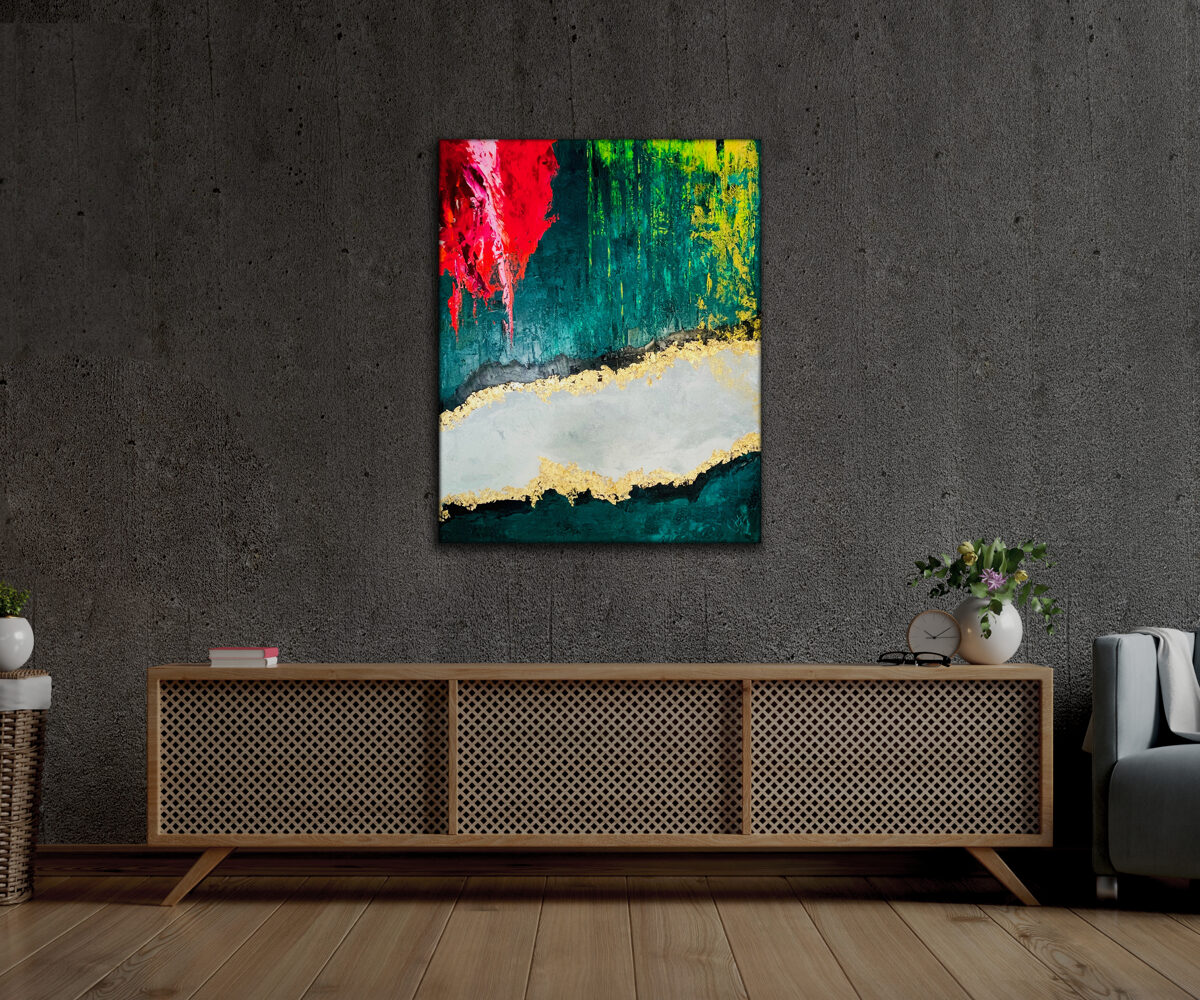
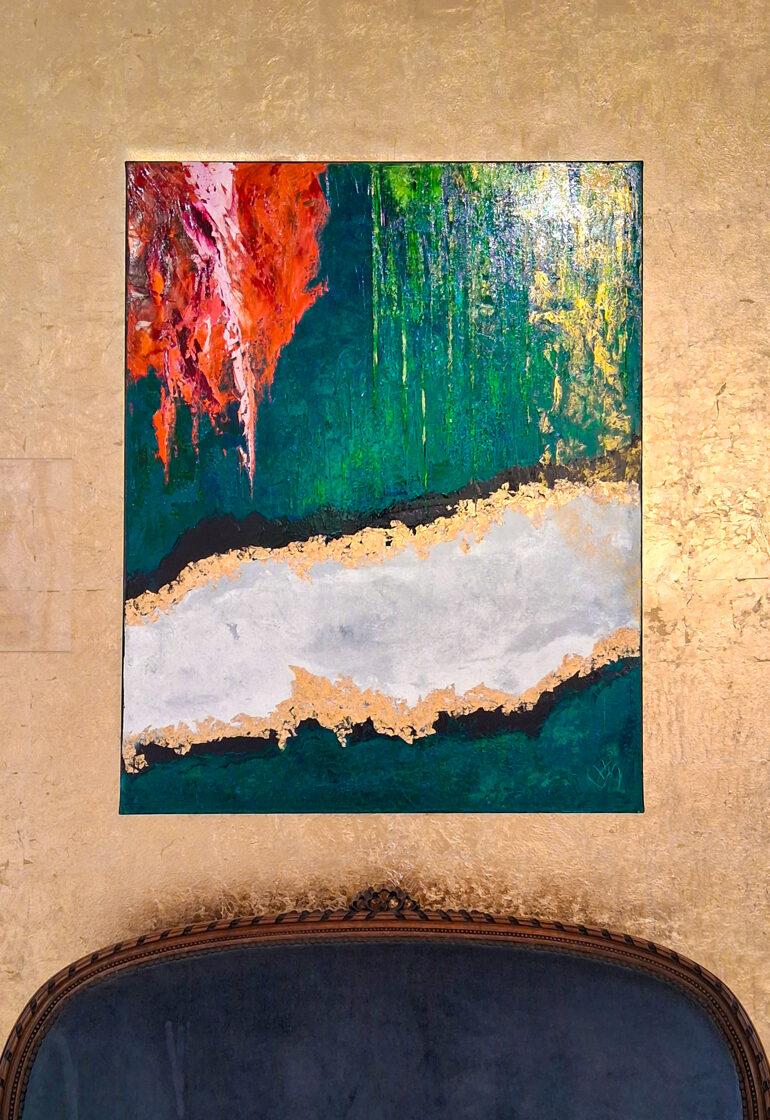
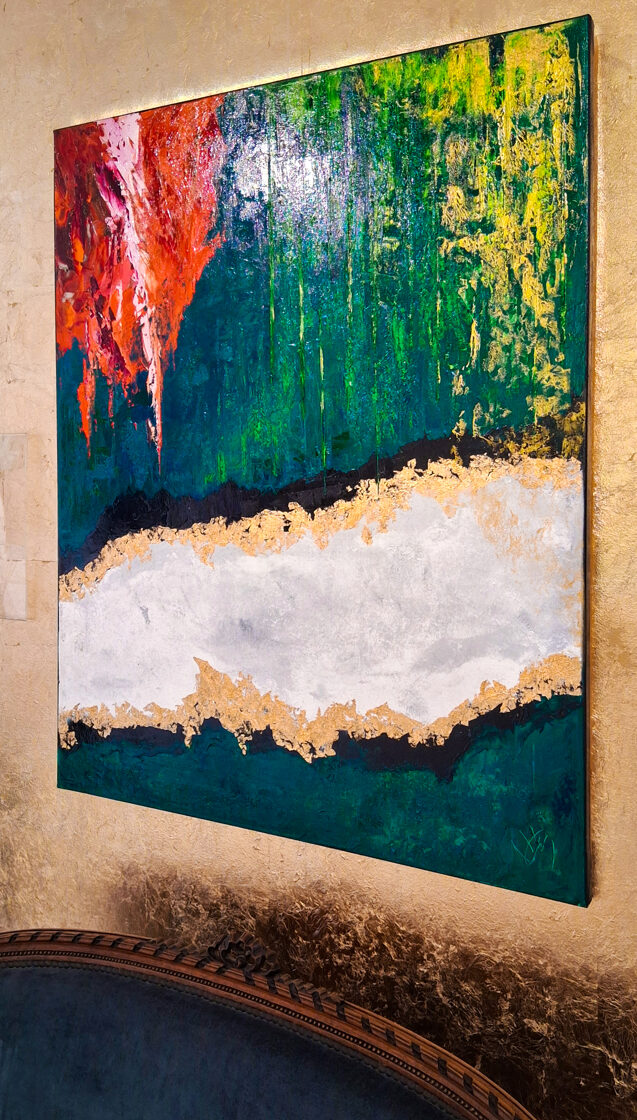
The painting titled “Consiliatus Imperius” captures the duality of power and intimacy: the tension when, on the stage of history, human emotions, attachment, and beauty also play a role. It tells the story of Alexander and his companion, Euxenippus, finding each other.
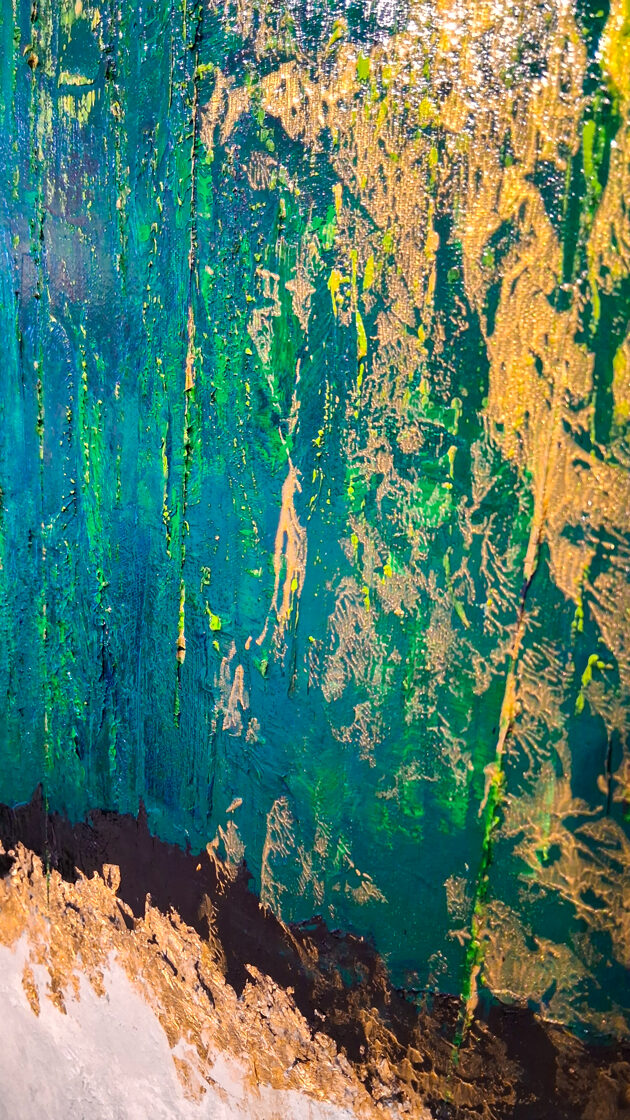
In the upper region, a golden cascade descends in a sharp, strong green stream: at this moment, the lights of the celestial spheres dissolve onto the earth. The greens symbolize youth and fresh strength, which can also be interpreted as a metaphor for the figure of Euxenippus, while the golden gleams carry the promise of being chosen – but their fragmented, unraveling light suggests that something is missing from the full radiance.
In the upper left corner, a burning red block pulses, capturing the gaze as a spot of passion and desire: it contains strength, light, and true charisma – all that the young Euxenippus was measured against.
In the center of the composition, a marble-like, sensually crafted band runs through, bordered above and below with heavy gold inlay, as if framing it: a dividing line between earthly reality and relationships ordained by the heavens. The gold evokes the presence of divine order: reminding us that even the most personal bonds are part of the great fabric of history.
In the title, “consiliatus” evokes the friend, the intimate lover, while “imperius” denotes the imperial perspective. Thus, the work connects two spheres: the public world of power and intimate, fragile human relationships.
The canvas simultaneously recalls the personal stories hidden in the shadow of triumphs and the mystery in which history and emotion are inextricably intertwined.
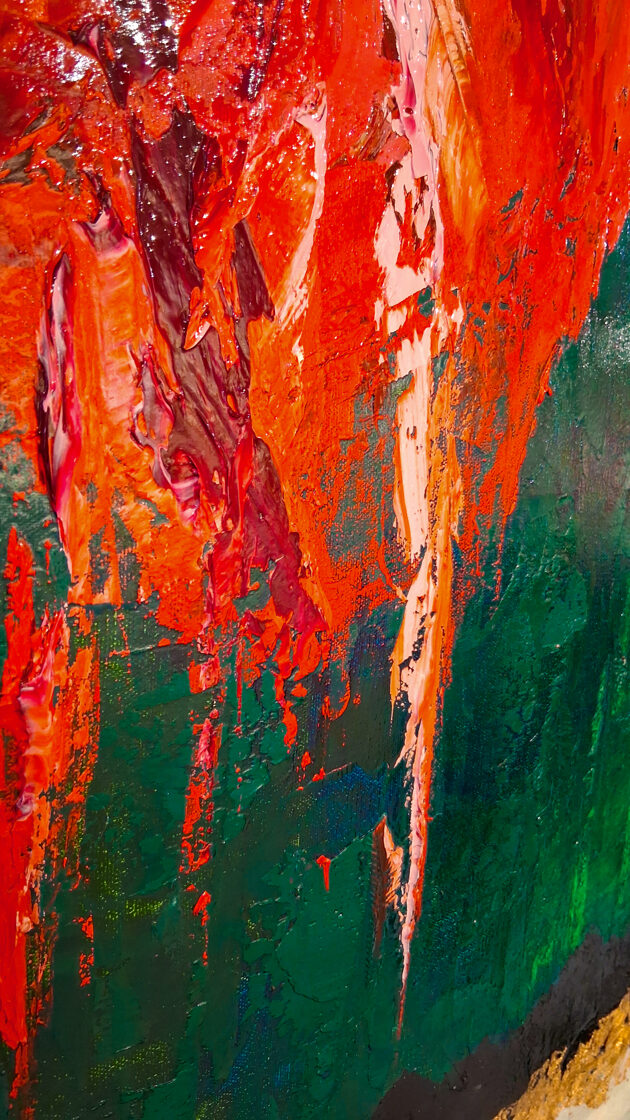
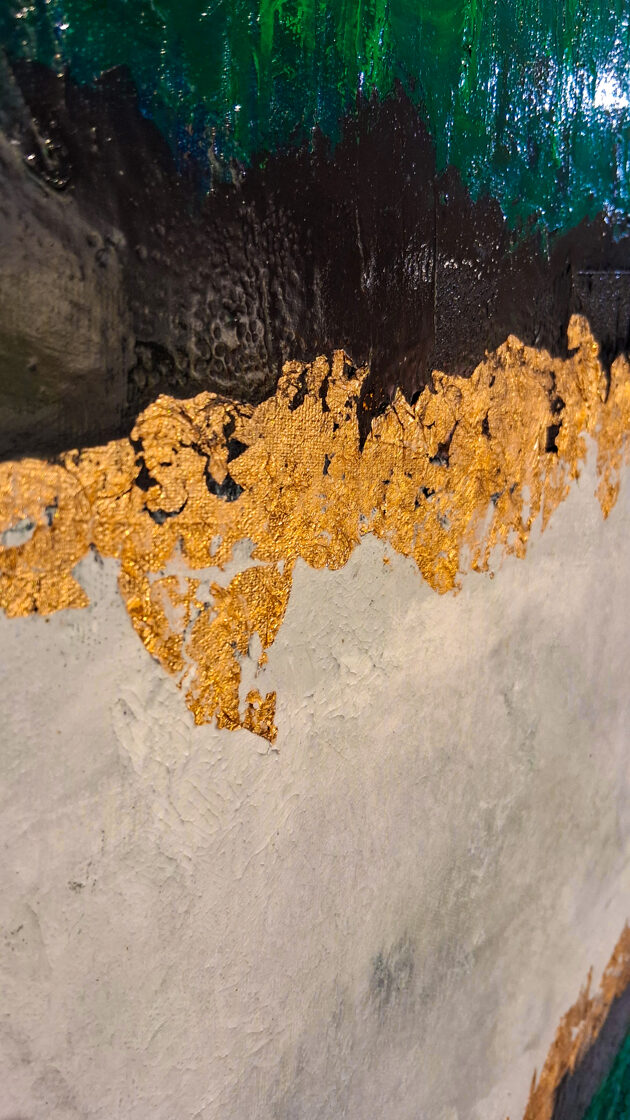
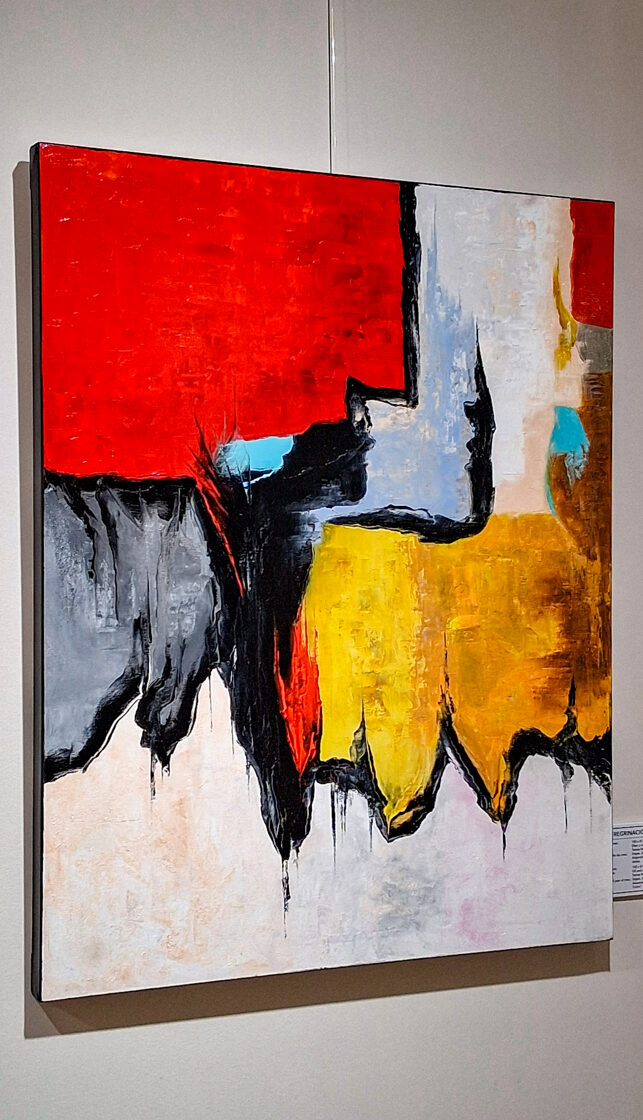
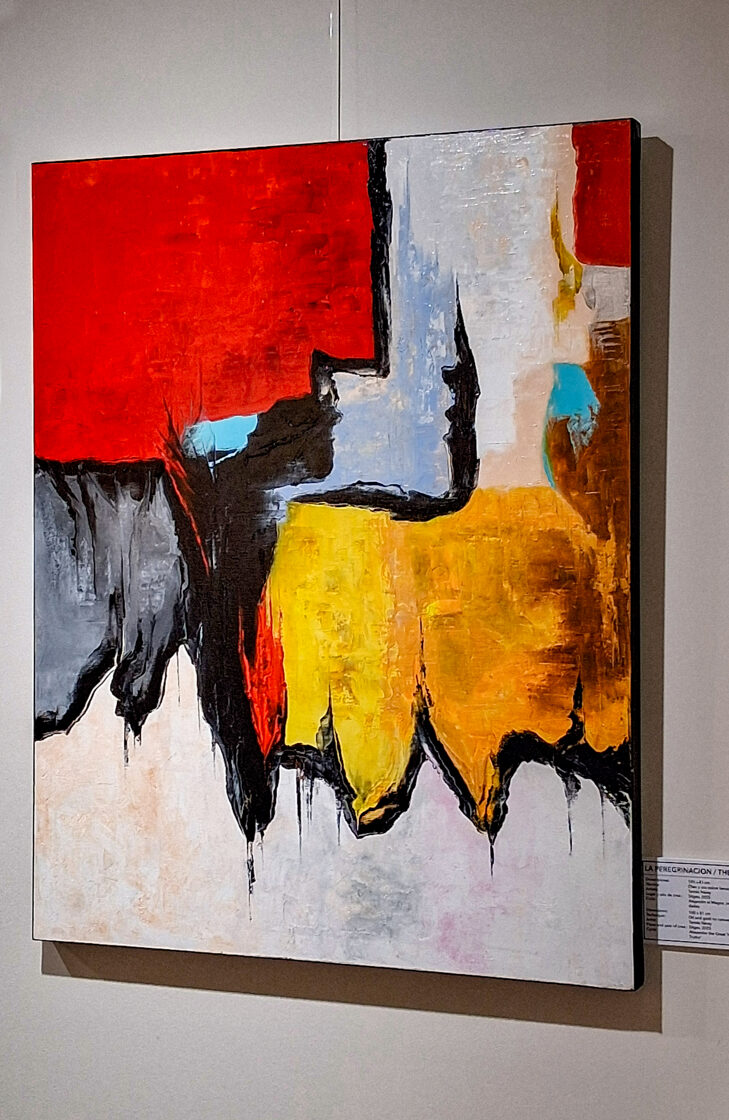
The Pilgrimage
- 100 x 81 cm
- Oil-gold-canvas
- 2025, Sitges/Barcelona
- The artwork is part of the cycle "Alexander the Great 'Imperator Ultimus' - Secrets and Truths"
- AVAILABLE FOR PURCHASE
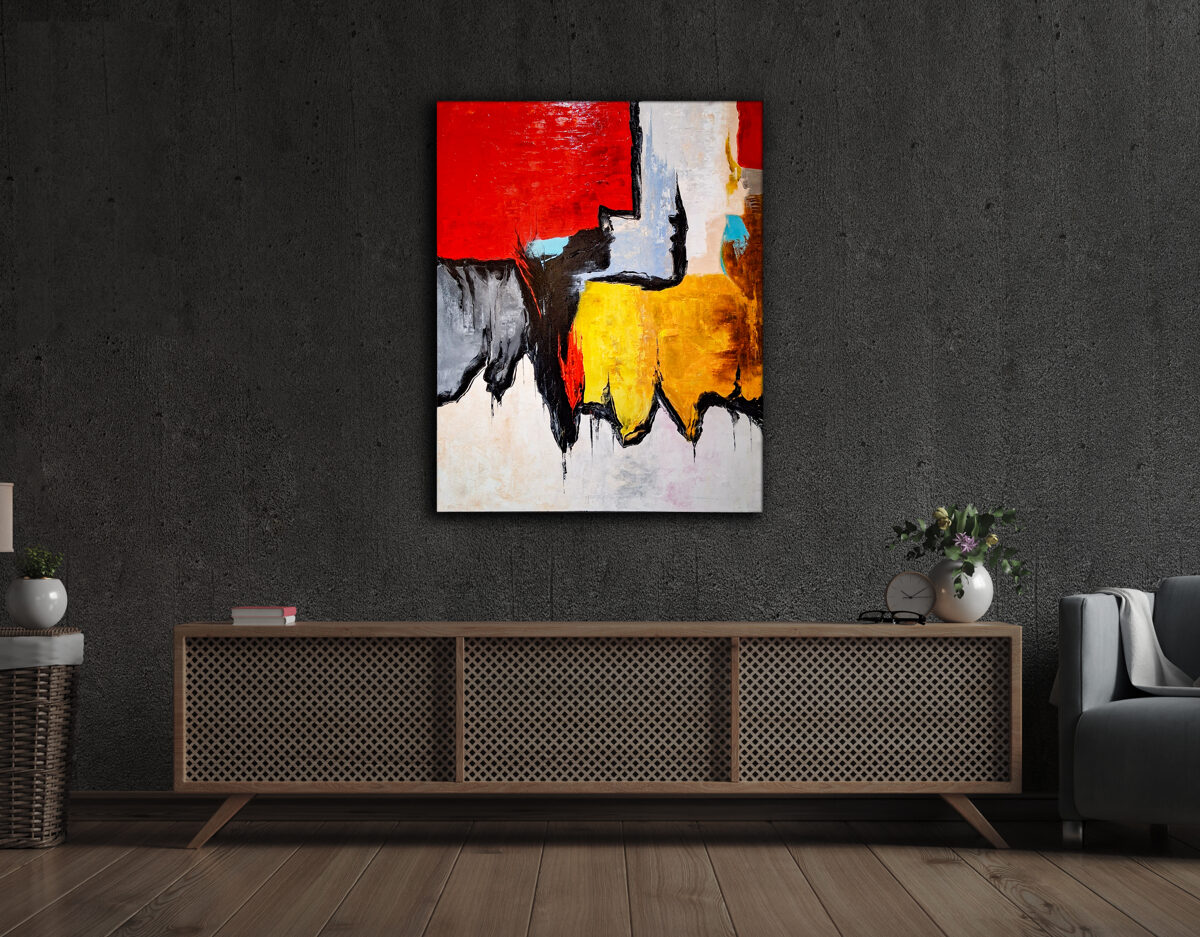
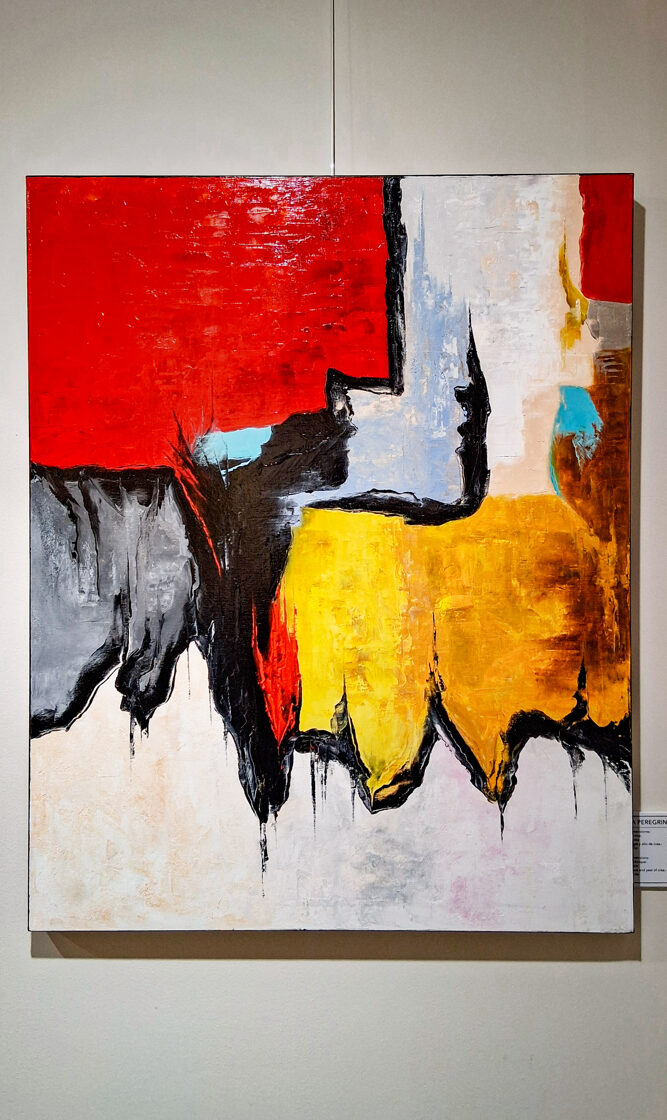
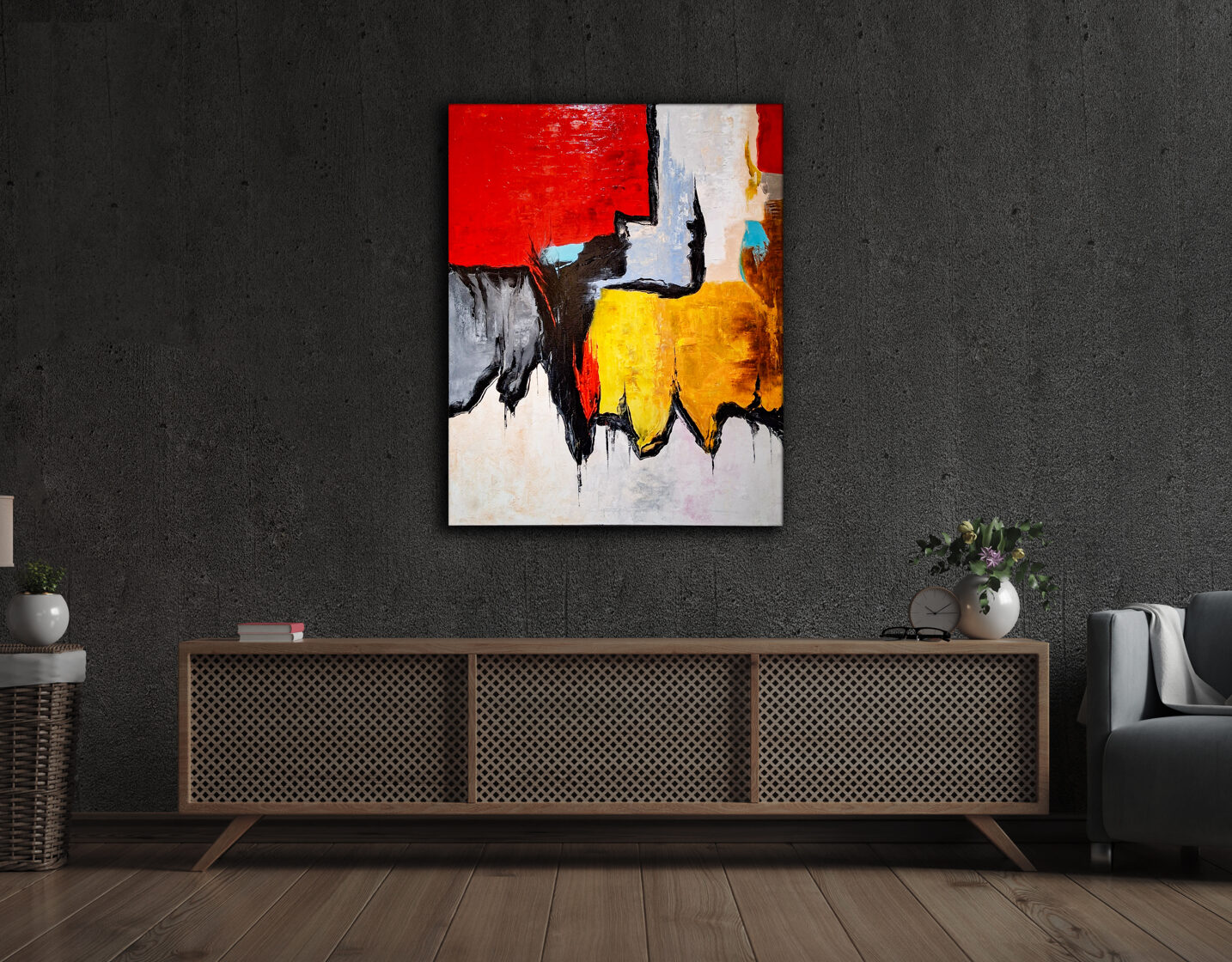
In the painting titled “The Pilgrimage”, the canvas itself becomes a stage where myth and history converge.
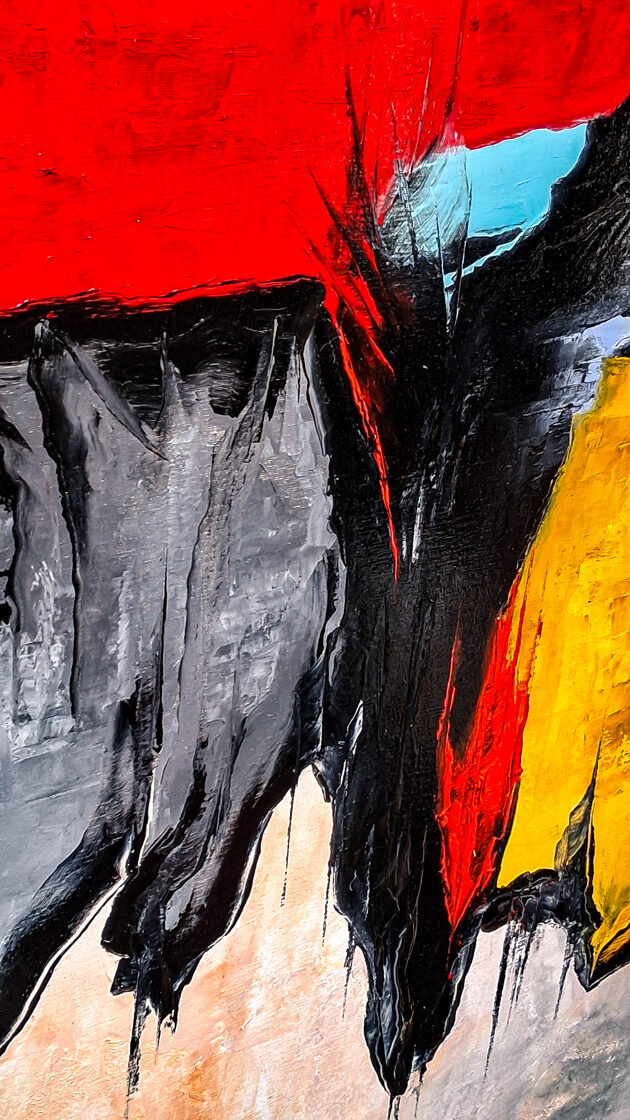
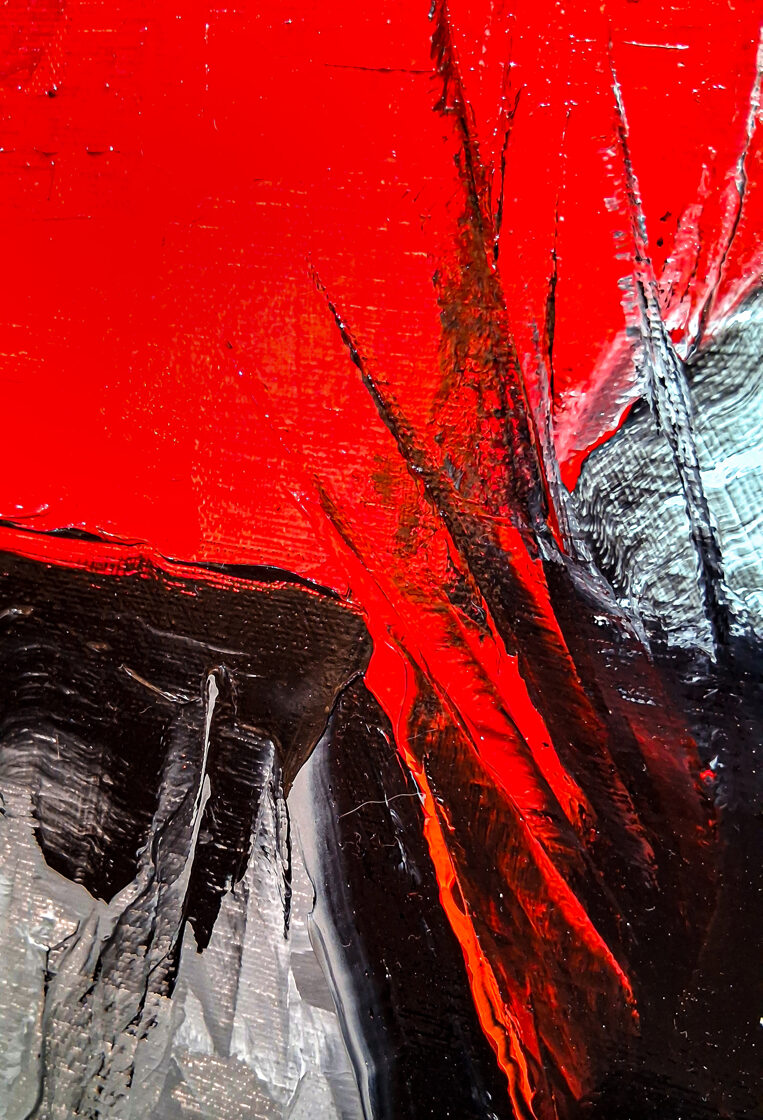
Alexander's journey to the Siwa Oasis is not simply a geographical movement, but a sacred crossing, a passage of a human fate toward divine order. At first glance, the painting's fragmented, restless surfaces speak of this transition: the red tells of the heat of struggle and the body's torment, the yellow of the promise of divine light, while the whitish, rock-like base evokes the timeless face of the eternal, solid desert.
The black, downward-flowing lines bring the experience of the proximity of death, the exhaustion of the body, the uncertainty of existence closer to the viewer. As if the canvas itself were drying out, crumbling, like the lips of a wanderer in the hot sand. And yet: the darkness does not engulf, but leads through – it serves as a gate, behind which shines the golden light of the Sun God, the goal, the promise of initiation.
In the pilgrimage, reality and vision, human weakness and divine support intertwine. There are no sharp boundaries in the painting: the colors blend, flow, and blur into each other. This dissolution is itself the sacred experience, where man loses his earthly coordinates to find his place in the order of the gods.
Thus, “The Pilgrimage” becomes an allegory of perseverance and inner strength: for Alexander – and every viewer – the message of the journey is that the greatest victory is not the conquest of the world, but finding harmony between oneself and destiny.
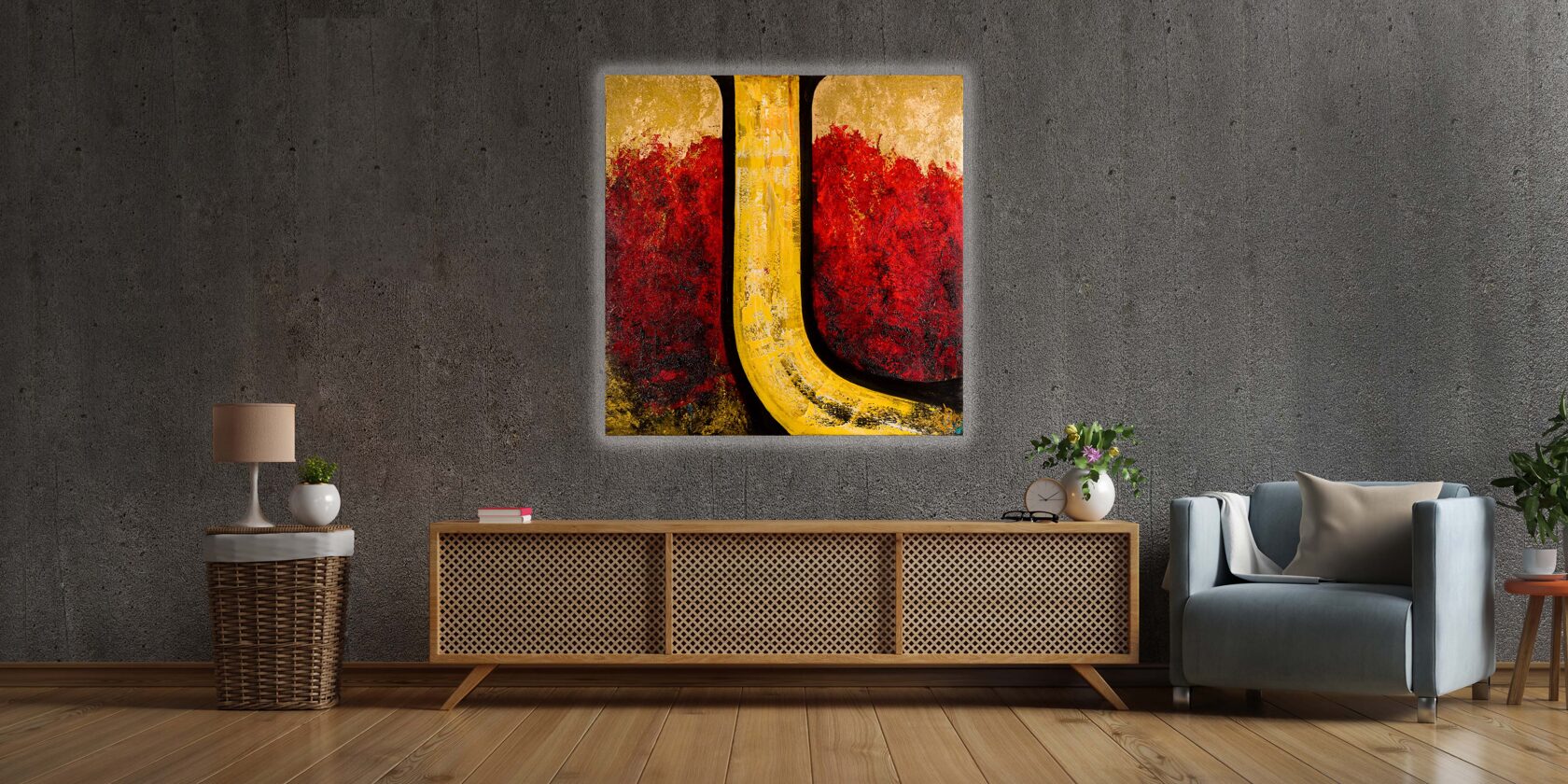
Who Owns the Throne?
- 91x91 cm
- Oil-gold-canvas (oil-gold-canvas)
- 2024 Sitges/Barcelona
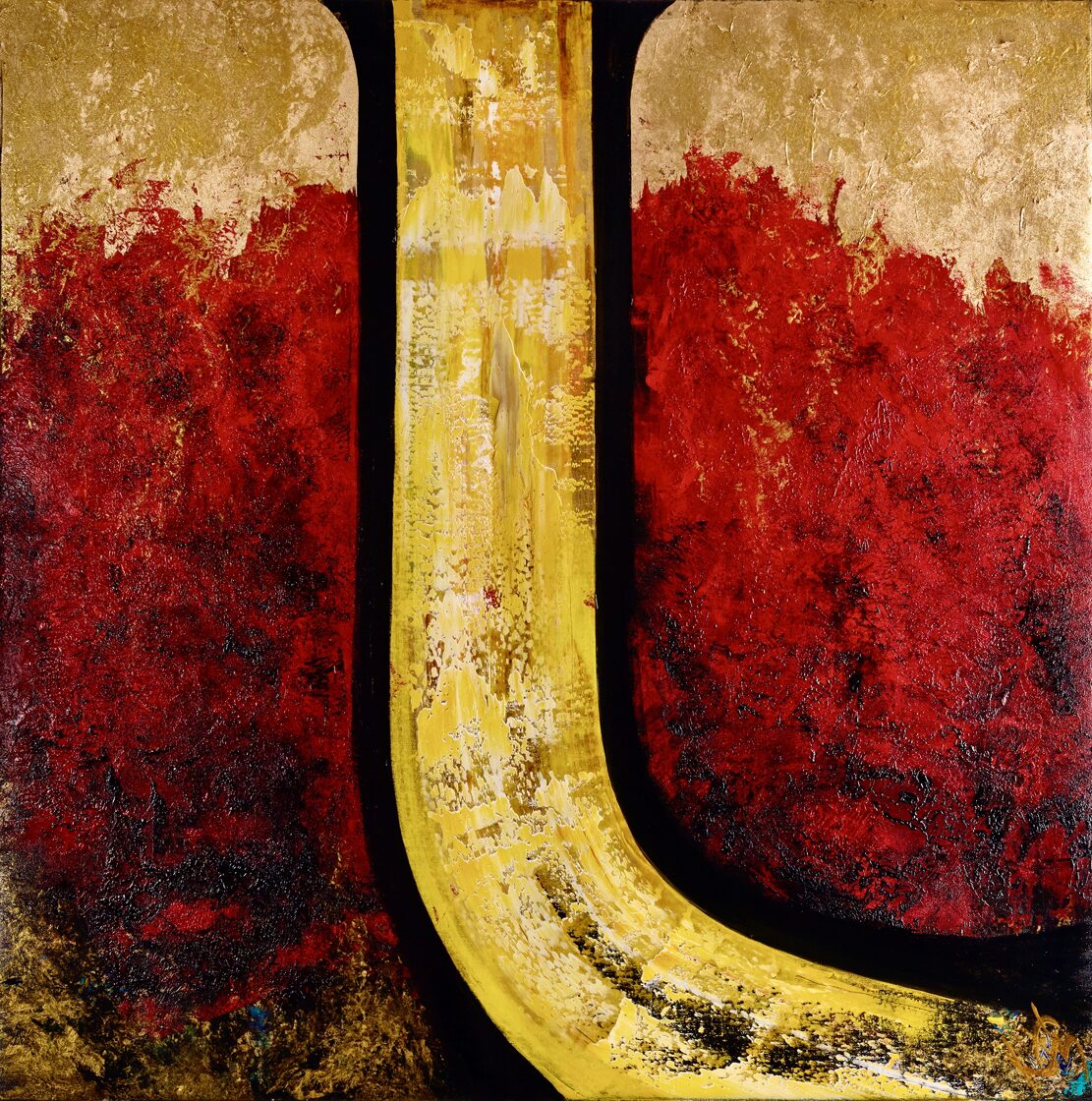
The artwork – although it goes back to the era of the Roman Empire – also raises current questions.
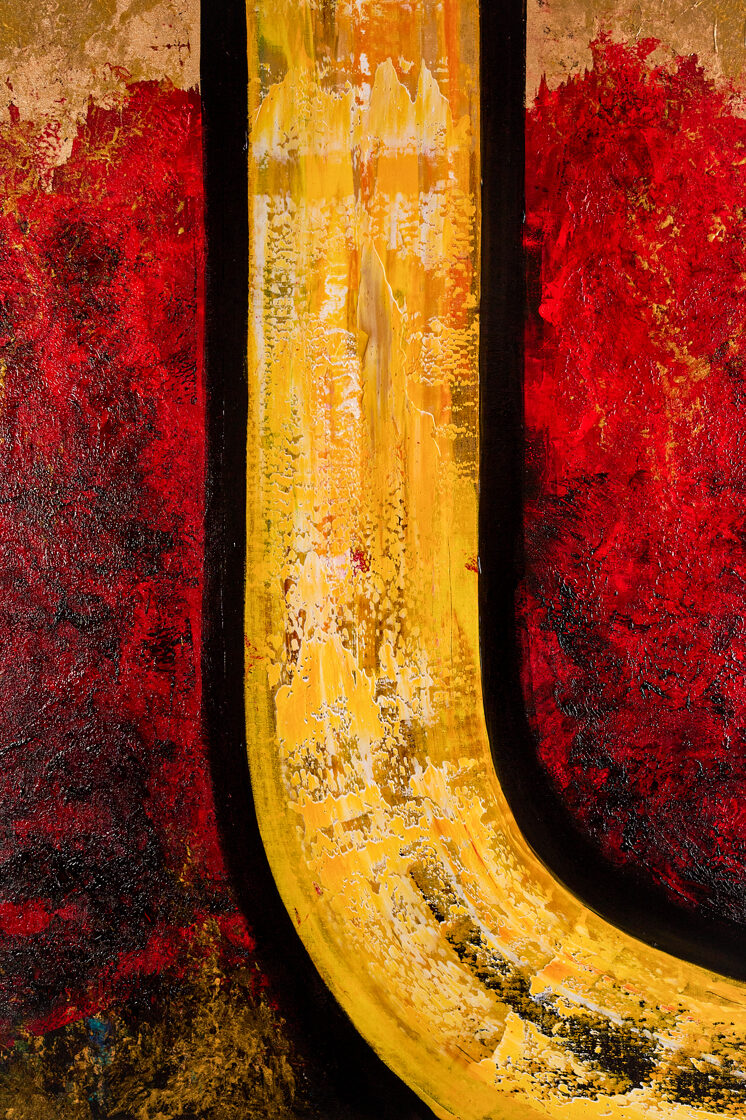
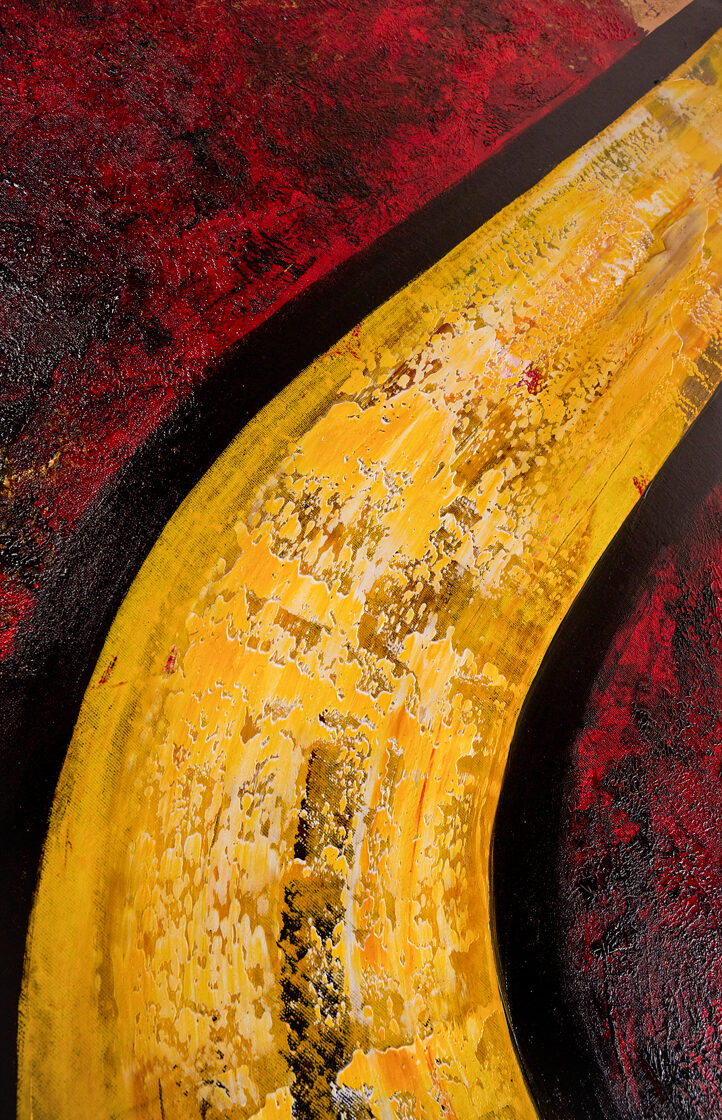
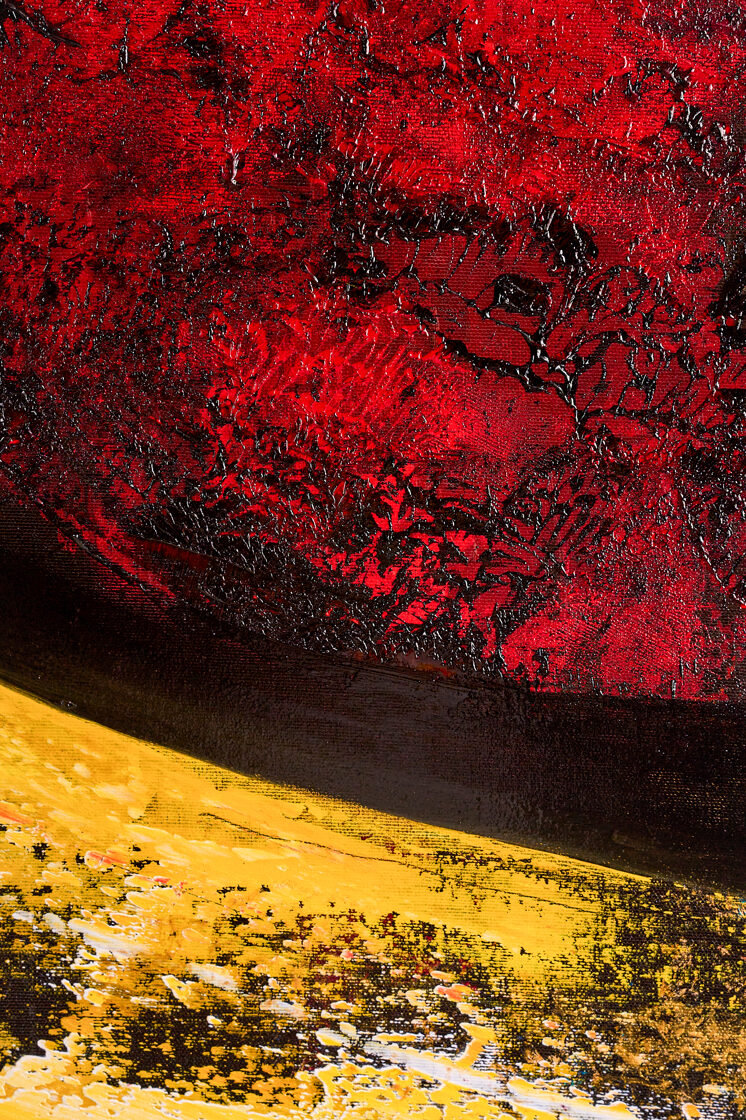
When the deposition of Romulus Augustulus occurred, the glorious Western Roman Empire came to an end, whose invincibility was acknowledged by all other rulers. The wide yellow stream of paint, arching and rising high, dividing the picture field in two, appears as the unchangeable and eternally radiant path to power. The black bands framing this on both sides simultaneously show the isolation of those striving for power and their devoted protection from external influences. However, detachment from the world does not promise much good. The crimson and midnight blue swirling surfaces dominating the composition, almost emerging from the picture field, threaten the glittering but false path to power, loudly asking the question: Who owns the Throne?
Perspective
- 100 x 100 cm
- Oil-gold-canvas
- 2026, Sitges/Barcelona
- The artwork is part of the "Light" series
- SOLD
Cart
Cart is empty.